
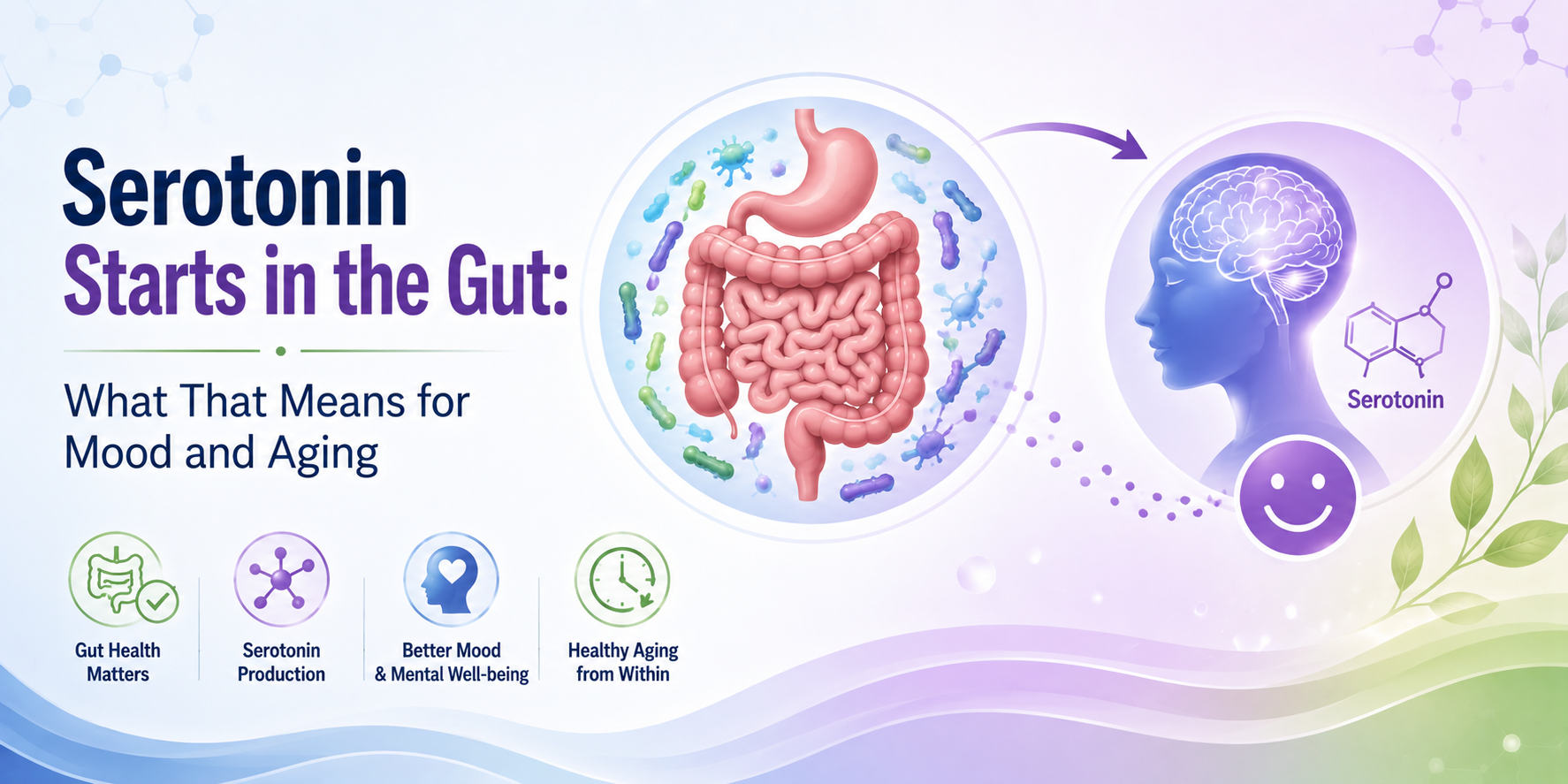
 We often think of serotonin as the chemical that makes us feel happy, but did you know that a significant portion of it is produced in your gut? Let’s explore the fascinating connection between gut health, serotonin, and its effects on mood and aging.
Understanding Serotonin’s Role in the Body
Serotonin, a neurotransmitter, plays a crucial role in regulating mood, digestion, and even sleep. Knowing its functions can help us grasp why maintaining optimal levels is vital for overall health. Primarily produced in the gut, serotonin influences various bodily systems. For instance, it helps modulate mood by transmitting signals between nerve cells. It’s also essential for digestion, aiding in bowel movements and reducing hunger instinctively, thereby linking emotional and physical well-being. Sleep regulation is another crucial area influenced by serotonin, as it’s a precursor to melatonin, a hormone that governs the sleep-wake cycle. The interconnectedness of these roles demonstrates how significant serotonin is to our daily functioning.
Recent research highlights serotonin’s involvement in more than just mood regulation. It influences cardiovascular function, bone density, and even immune response, which are all pivotal to maintaining homeostasis in our bodies. These findings underline the complex nature of serotonin beyond the stereotypical ‘happiness chemical’ tag. Thus, it’s evident that supporting serotonin synthesis can create ripple effects throughout the body, facilitating holistic health benefits.
The Unexpected Link Between the Gut and Brain
The gut-brain axis is a complex communication network that scientifically explains the link between emotions and digestive issues. This bi-directional communication suggests that our intestines and brain ‘talk’ to each other constantly, with serotonin acting as a messenger in this conversation. For example, when gut microbiota ferment fibers, they not only produce short-chain fatty acids that promote gut health but also modulate serotonin levels, thereby impacting mood and cognitive functions. It’s fascinating to realize that the microbiome might affect how we think and feel. Therefore, nurturing gut health becomes a vital part of mental wellness.
Moreover, the vagus nerve is a prominent player in the gut-brain dialogue. Acting as a major highway for information exchange, it can send distress signals from the gut to the brain when something is amiss and vice versa. This relationship explains why stress often presents as both anxiety and upset stomach. Consequently, maintaining a balanced gut environment can ease these symptoms, providing relief to both the gut and the brain.
Why Gut Health Matters for Mood Regulation
A healthy gut supports proper serotonin synthesis, impacting how we feel and our emotional equilibrium. The gut microbiome, composed of trillions of bacteria, is critical in producing serotonin, and any imbalance can lead to emotional disturbances such as depression or anxiety. Research on the gut-brain link suggests a direct connection between gut conditions like Irritable Bowel Syndrome (IBS) and mental health issues, providing further evidence of how intertwined they are.
Probiotics and prebiotics are not only gut-friendly but they can also significantly enhance mood by aiding serotonin production. Including these nutrients in your diet supports beneficial bacteria, which in turn can help stabilize mood. Adopting a diet rich in fruits, vegetables, and whole grains ensures that your gut remains a supportive environment for serotonin production, thereby supporting mental clarity and reducing stress.
Aging Gracefully: The Serotonin and Longevity Connection
Serotonin doesn’t just affect mood; it also plays a role in aging, acting as a shield against oxidative stress and inflammation, two major contributors to aging. Studies show that maintaining healthy serotonin levels can potentially mitigate age-related ailments like cardiovascular diseases and neurodegenerative disorders, contributing to a longer, healthier life. By enhancing memory and reducing the impacts of stress, serotonin promotes cognitive longevity, a crucial factor in aging gracefully.
Functional medicine emphasizes lifestyle adjustments to harness serotonin’s benefits for aging. By focusing on balanced nutrition and reducing inflammation, it encourages practices that naturally maintain serotonin levels. Hence, a stable serotonin level acts as a natural integrator of anti-aging efforts, ensuring that both the body and mind age with grace and resilience.
Functional Medicine Approaches to Enhance Gut Health
Functional medicine offers strategies like diet modification and probiotics to improve gut health. Explore these approaches to boost serotonin production naturally. For example, adopting an anti-inflammatory diet rich in omega-3 fatty acids and fermented foods can support the gut microbiome and, subsequently, serotonin production. Stress reduction techniques such as mindfulness and yoga are also advocated in functional medicine, as stress is known to imbalance the gut’s ecosystem.
Lifestyle plays a complementary role in functional medicine’s approach to gut health. Regular exercise, adequate hydration, and proper sleep hygiene all work cohesively to promote a healthy gut environment. By integrating these habits, you promote serotonin balance, which may enhance mental well-being and support a vibrant, energetic life. Discover more about implementing these practices by consulting Enovative Wellness’s wellness enhancements to kickstart your journey towards better gut and mental health.
For further information, to schedule an appointment or please contact Enovative Wellness at 602.614.9905 or visit www.EnovativeWellness.com to learn more.
