
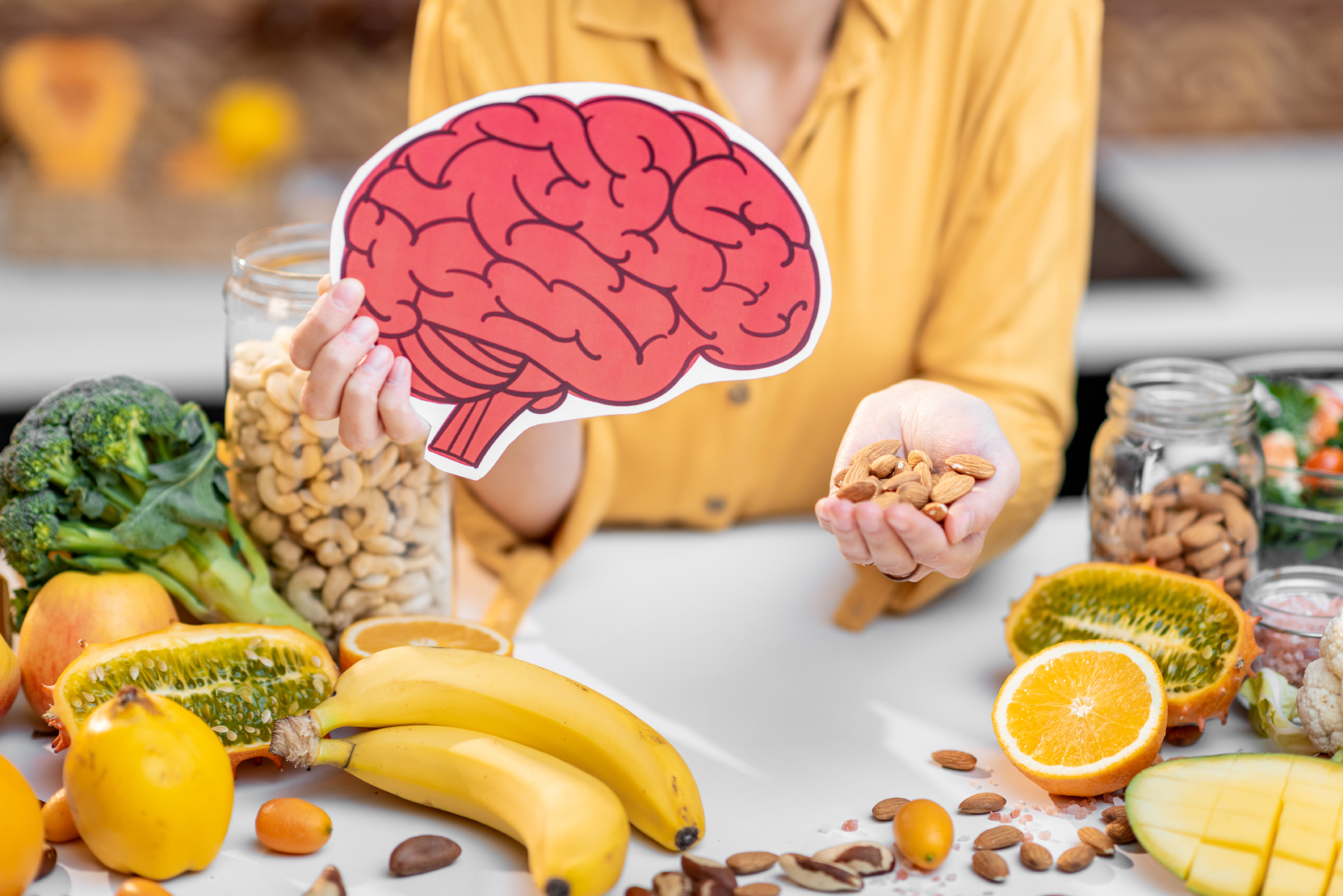
 As we enter our forties, maintaining a healthy gut- brain axis becomes crucial for overall wellbeing. Functional medicine offers holistic nutrition strategies to ensure this vital connection remains strong and supportive of both mental and physical health. Let’s explore some easy-to-implement tactics that can make a significant impact.
Prioritize Prebiotics and Probiotics
Prebiotics and probiotics are foundational to gut health. By including natural sources, such as yogurt, kefir, and fibrous vegetables, in your diet, you’re supporting beneficial bacteria that play a crucial role in maintaining a healthy gut-brain connection.
Incorporating prebiotics, which are found in foods like garlic, onions, and bananas, can offer the right type of nourishment for your gut bacteria. The synergy between probiotics and prebiotics is essential. Probiotics like lactobacilli need to be nourished by prebiotics to thrive and populate the gut. This balance can enhance neurotransmitter production, which can improve mood and cognitive function as we age. A study on the importance of prebiotics and probiotics suggests that this combination can help reduce various gut-related issues that disrupt the gut-brain axis.
Moreover, fermented foods like sauerkraut and kimchi contain beneficial bacteria that can colonize the gut and improve its function over time. Introducing these foods gradually into your diet can be particularly important for individuals who may just entering this phase of life. To reap the benefits of these probiotics, it’s best to start with small portions and listen to your body.
Emphasize Anti-inflammatory Foods
Inflammation can disrupt the gut-brain communication. Incorporate foods rich in omega-3 fatty acids, like fatty fish, and antioxidants, such as berries, to help reduce inflammation and promote better brain health.
Cruciferous vegetables like broccoli and Brussels sprouts are packed with antioxidants that fight inflammation. These superfoods not only lower markers of inflammation but also boost brain health. Ensuring that your diet is rich in a variety of vegetables can provide the polyphenols and antioxidants necessary to neutralize free radicals that often contribute to inflammation. This approach is especially beneficial for enhancing mental clarity and concentration as we age.
Additionally, consuming spices like turmeric and ginger can further reduce inflammation. These spices contain bioactive compounds like curcumin and gingerol, which are not only anti-inflammatory but also support cognitive function. Research suggests that turmeric and ginger can lower inflammation levels, acting as natural supplements for a healthy gut-brain axis.
Balance Blood Sugar Levels
Stable blood sugar levels are vital for mood and energy. Opt for complex carbohydrates, lean proteins, and healthy fats to ensure steady glucose supply, which supports optimal brain function.
High-fiber foods such as whole grains, legumes, and seeds help in maintaining stable blood sugar levels. These foods slow down the absorption of sugar in the bloodstream, preventing spikes that can lead to mood swings. Consider adding beans and lentils to your meals for their excellent source of protein and fiber.
Including healthy fats like avocados, nuts, and seeds in your diet is another way to keep your blood sugar stable. These fats slow down digestion and lower the glycemic load of your meal. According to studies, healthy fats can be crucial for maintaining a balanced mood and energy levels. This is particularly important for those in their forties, as hormonal changes could affect how our body responds to sugar.
Maintain Good Hydration
Water is essential for nutrient transport and digestion. Staying well-hydrated aids in maintaining a healthy gut environment, crucial for effective gut-brain communication.
Proper hydration supports the mucus lining of the intestines and balances a healthy level of acidity in the stomach, both of which are essential for effective digestion and nutrient absorption. It’s vital to drink water consistently throughout the day, and not just when you feel thirsty. A good rule of thumb is to drink half of your body weight in ounces of water each day.
Including fruits and vegetables with high water content, such as cucumbers, watermelons, and oranges, can also help maintain adequate hydration. These foods supply essential vitamins and minerals that support cognitive function and overall health. Staying hydrated has also been shown to improve mood and cognitive performance, playing a key role in maintaining a well-balanced gut-brain axis.
As we grow older As Mindful Eating Practices becomes possible
Mindful eating emphasizes the importance of being present while dining, which can improve digestion and nutrient absorption. It helps reduce stress-related eating behaviors, which can negatively impact the gut-brain relationship.
To practice mindful eating, try to eat in a calm environment, chew your food thoroughly, and avoid distractions such as screens or stressful conversations. This allows your body to properly signal satiety and aids in digestion. Furthermore, slowing down while eating can have positive effects on your gut-brain communication, promoting a sense of well-being.
Being aware of emotional triggers related to overeating is also vital. Keep a food diary to track your eating habits and emotions to identify patterns that may disrupt your gut health. Simple practices like deep breathing before meals and expressing gratitude for your food can shift your focus, leading to a more positive dining experience.
For further information, to schedule an appointment or please contact Enovative Wellness at 602.614.9905 or visit www.EnovativeWellness.com to learn more.
