
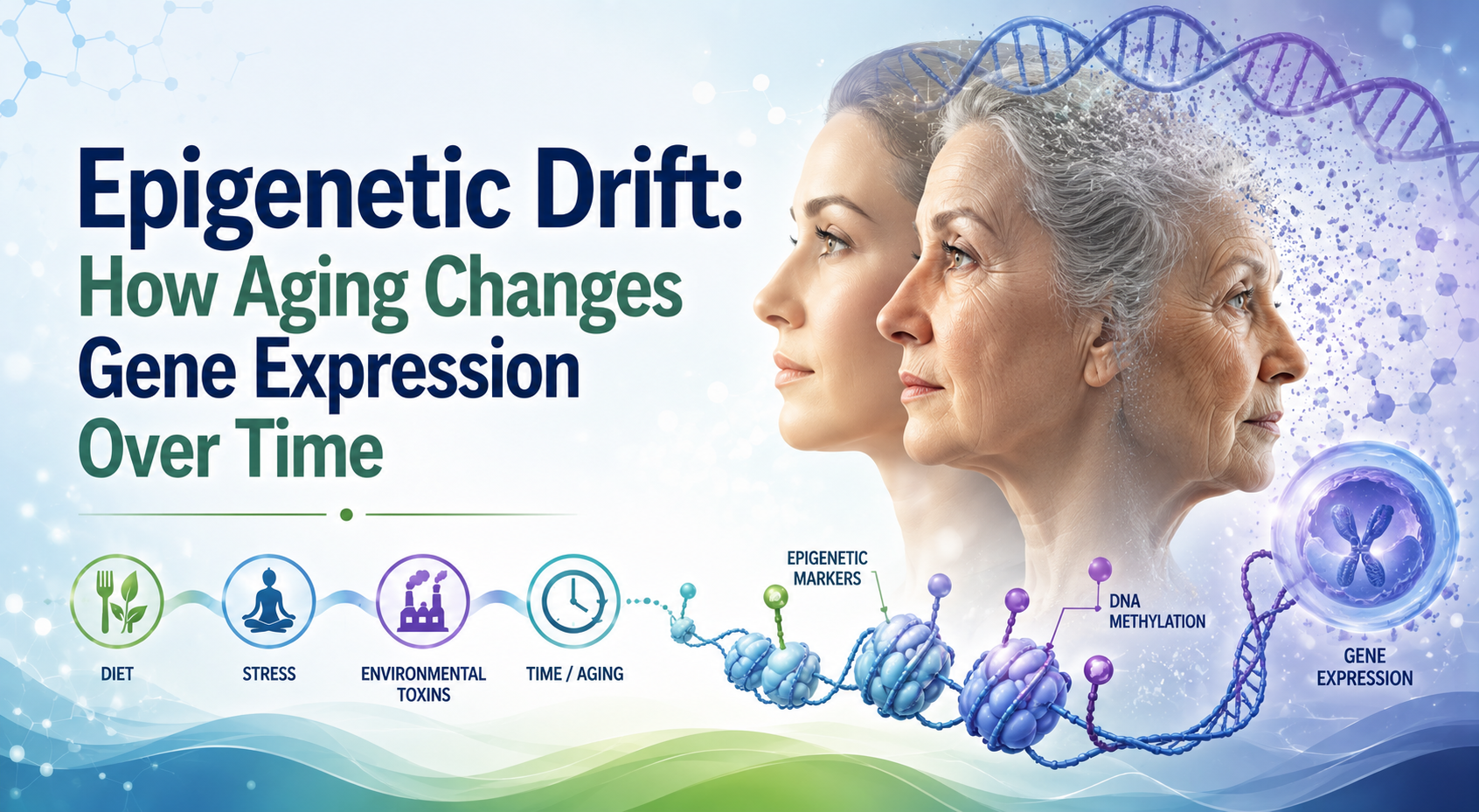
 Aging is a journey that affects every part of our body, down to the microscopic level. An intriguing area of study in this field is epigenetics, specifically how gene expression alters over the course of a lifetime. Let’s explore the fascinating world of epigenetic drift and its impacts on our health and well-being.
Unveiling the Basics of Epigenetics
Epigenetics is like a complex orchestra where genes are the instruments, and epigenetic markers are the conductors that influence the music. These markers can switch genes on or off without altering the DNA sequence, impacting how our bodies react to the environment. Understanding this concept provides a foundation for exploring how non-genetic factors can modify gene activity, shedding light on phenomena such as identical twins developing distinct personalities or health conditions despite having the same genetic makeup.
In recent years, epigenetic research has expanded, offering insights into how lifestyle choices and environmental factors shape gene expression patterns. For example, the prevalence of nutritional epigenomics emphasizes the role of diet in modifying the epigenome, highlighting the potential for nutritional interventions to influence health outcomes. This evolving field demonstrates the dynamic nature of our genetic blueprint, molded by both intrinsic and extrinsic elements.
The Concept of Epigenetic Drift
As we age, certain changes in our epigenetic markers accumulate, a phenomenon known as epigenetic drift. This gradual shift can lead to noticeable differences in gene expression, affecting cellular functions and, ultimately, the aging process itself. Epigenetic drift is akin to a biological clock, where the ticking is marked by alterations in DNA methylation and histone modification patterns, which are crucial to maintaining cellular homeostasis and gene regulation.
The rate at which epigenetic drift occurs can be influenced by lifestyle choices and environmental exposures. For instance, studies suggest that a lifestyle rich in physical activity and a balanced diet can slow down the rate of epigenetic changes, potentially extending healthspan. Conversely, chronic stress and exposure to pollutants may accelerate drift, underscoring the need for comprehensive lifestyle management in our pursuit of healthy aging.
Environmental Influences on Gene Expression
Our environment and lifestyle choices play a significant role in epigenetic changes. Factors like diet, stress, and exposure to toxins can influence how our genes are expressed, highlighting the intricate connection between our genome and surroundings. For example, exposure to certain chemicals and pollutants has been associated with adverse health conditions, illustrating the damaging effects of environmental toxins.
Moreover, psychological stress is a well-documented factor contributing to epigenetic alterations. Chronic anxiety can modify the expression of stress-related genes, affecting behaviors and physical health. On a brighter note, positive lifestyle changes such as meditation and mindfulness are shown to counteract these effects, inducing beneficial epigenetic modifications and promoting resilience against stress-related disorders.
Dietary choices are another critical determinant of epigenetic dynamics. Nutrients such as folate, vitamins B6 and B12, and antioxidants can modulate gene expression, illustrating the concept of food as a potent epigenetic modulator. Incorporating a variety of fresh fruits, vegetables, and whole grains into daily meals can help foster a healthier epigenome, reinforcing the importance of dietary patterns in maintaining genetic health.
The Role of Epigenetic Drift in Age-Related Diseases
Epigenetic drift is not just a marker of chronological aging; it is also implicated in various age-related diseases, such as cancer, Alzheimer’s, and cardiovascular conditions. This connection paves the way for research into preventive and therapeutic strategies. Recent advances in epigenetic therapies aim to correct aberrant epigenetic modifications, offering new hope for treating complex diseases that were previously deemed intractable.
Cancer research, in particular, has made significant strides by targeting specific epigenetic mechanisms that drive tumor progression. By reprogramming the epigenome of cancer cells, scientists can potentially reinstate normal function, reducing malignancy. This approach not only enhances our understanding of cancer biology but also catalyzes the development of drugs that can modify the epigenetic landscape of diseased tissues, heralding a new dawn in personalized medicine.
Furthermore, investigating the role of epigenetic drift in neurodegenerative disorders like Alzheimer’s disease provides valuable insights into the intertwined biology of aging and disease. Identifying epigenetic biomarkers that predict cognitive decline could revolutionize early diagnosis and intervention strategies, ultimately leading to improved patient outcomes.
Future Perspectives in Functional Medicine
Functional medicine seeks to use insights from epigenetic studies to develop personalized approaches to healthcare, aiming to improve quality of life and manage aging more effectively. This burgeoning field offers promising avenues for future medical advancements. Epigenetic-based interventions enable practitioners to devise customized wellness plans that address individuals’ unique genetic backgrounds and environmental exposures, marking a shift from a one-size-fits-all to a more tailored healthcare model.
One potential breakthrough is the integration of methylation testing, which can assess biological age and predict healthspan more accurately than conventional chronological age. By identifying personalized epigenetic profiles, healthcare providers can intervene earlier, applying preventive measures that align with each person’s specific needs. Such precision approaches not only enhance preventative care but also empower individuals to take proactive roles in their long-term health management.
As the field of functional medicine continues to evolve, interdisciplinary collaborations will play a crucial role in advancing research efforts, integrating epigenetics with other domains like genomics, nutrigenomics, and psychoneuroimmunology. This holistic approach embraces the complexity of human biology, fostering innovations that pave the way for healthier, longer lives, with countless possibilities on the horizon.
For further information, to schedule an appointment or please contact Enovative Wellness at 602.614.9905 or visit www.EnovativeWellness.com to learn more.
