
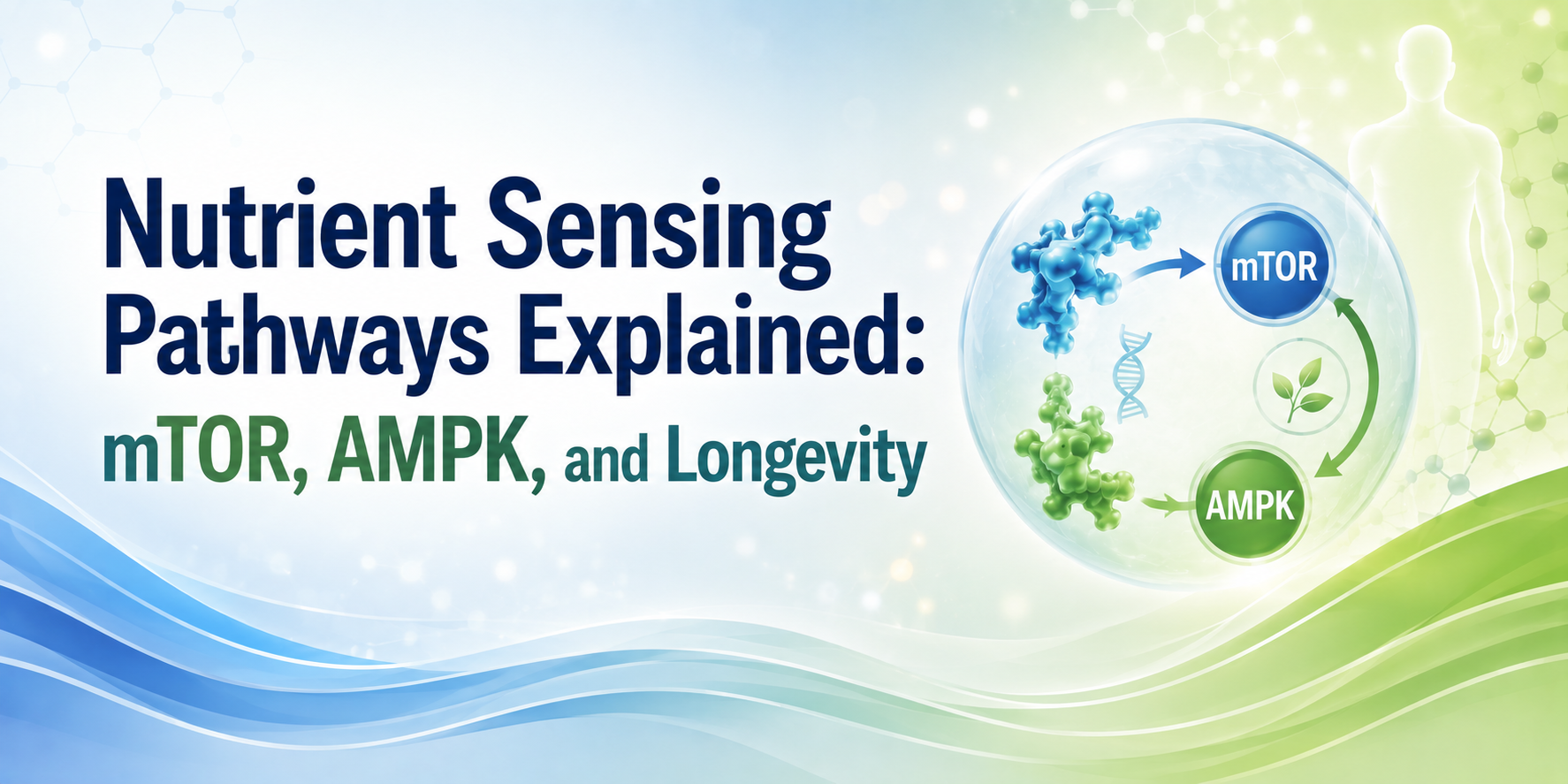
 Have you ever wondered how our bodies make sense of the nutrients we consume? Well, it’s all about the nutrient sensing pathways, which play a crucial role in figuring out how these nutrients affect our bodies. In this blog, we’ll dive into some key players in this fascinating process—mTOR and AMPK, and explore their connections to longevity. Let’s unravel these complex concepts in a way that’s simple, engaging, and easy to understand.
Unpacking the Basics of Nutrient Sensing
Nutrient sensing pathways are our body’s way of interpreting the nutrients we consume and making decisions about how to use them. Think of it as the body’s communication system for dietary inputs. By understanding these pathways, we glean insights into weight management, energy levels, and overall health.
These pathways work like a sophisticated network, responding to changes in nutrient availability and signaling the body’s cells to adjust accordingly. This intricate system helps regulate cellular processes such as cell growth, metabolism, and repair. Imagine it as a highly efficient system that ensures your body is always working towards balance and optimal functionality, even amidst the variety of nutritional inputs you encounter daily.
A key aspect of nutrient sensing involves the way our cells understand macronutrients protein, fats, and carbohydrates, and micronutrients like vitamins and minerals. The pathways help decipher these components and orchestrate a symphony of biological responses. This system not only impacts immediate energy needs but also shapes long-term health outcomes. For instance, caloric restriction has been linked to longevity, demonstrating the importance of this nutrient sensing machinery in aging.
Meet mTOR: The Growth Regulator
mTOR, or mammalian target of rapamycin, is a key pathway that promotes cell growth and protein synthesis. Imagine it as a supervisor ensuring resources are allocated efficiently for growth. While essential, an overactive mTOR can speed up aging processes balancing it becomes crucial.
In the realm of nutrient sensing, mTOR acts as a guardian of cellular growth. It carefully regulates how cells divide, playing a pivotal role in various bodily functions including muscle formation and repair. However, if mTOR signals are perpetually active, it may lead to excessive cell growth, a phenomenon that can contribute to aging and diseases such as cancer. Balancing this regulator is therefore crucial to maintaining good health.
Research suggests that inhibiting mTOR with targeted drugs might help extend lifespan and improve health during the aging process. This is an area where cutting-edge science intersects with everyday practices, you might be surprised to learn that lifestyle choices like exercise and certain dietary patterns can naturally modulate mTOR activity. This opens up fascinating possibilities for managing health through informed decisions.
Harnessing AMPK for Energy Balance
AMPK acts contrary to mTOR by inhibiting growth pathways when nutrient levels are low. It’s like a master regulator, shifting energy usage to focus on cellular repair and maintenance. Boosting AMPK activity through exercise and proper diet is key to managing energy and supporting longevity.
AMPK, or AMP-activated protein kinase, is nature’s way of helping our bodies make the most out of what we have, particularly when resources are scarce. Acting like an energy sensor, AMPK promotes oxidative metabolism and inhibits the synthesis of lipids and proteins. It encourages pathways that rejuvenate cells, thus aiding in prolonging life and enhancing cellular resilience. Integrating regular physical activity, such as a brisk walk or yoga, is a great way to naturally enhance AMPK activity.
Additionally, dietary adjustments can further support AMPK. For example, intermittent fasting is known to activate AMPK, offering not just weight management benefits but also potential longevity advantages. By paying attention to when and what we eat, we allow our bodies to utilize available energy stores efficiently, thereby fostering an internal environment conducive to cellular repair and longevity.
Interplay Between mTOR and AMPK
mTOR and AMPK operate in a delicate dance, sometimes opposing each other to maintain balance. When mTOR is up, AMPK steps back, and vice versa. Understanding this relationship is vital for syncing diet and lifestyle choices to achieve optimal health and longevity benefits.
The interaction between these pathways is like a seesaw, constantly adjusting to maintain equilibrium in how our bodies use nutrients. When the energy supply is abundant, mTOR steps in, facilitating growth and protein synthesis. Contrastingly, when there’s less energy available, AMPK takes center stage, conserving resources and enhancing repair processes. This balance is critical as it dictates how efficiently our bodies respond to environmental changes and stressors.
By harnessing the knowledge of this interplay, we can make more informed lifestyle choices that correlate with longevity. For instance, incorporating more plant-based foods known to enhance AMPK while moderating protein intake can create a harmonious balance between these pathways. Such a balance holds the key to not just a longer life, but a life marked by health and vitality.
Functional Medicine’s Take on Longevity
Functional medicine emphasizes understanding these pathways as part of a holistic approach to health. By tailoring interventions such as diet adjustments and exercise plans, functional medicine aims to optimize the pathways for better aging. It’s about crafting a lifestyle that supports long-term health.
This approach looks beyond treating symptoms and focuses on restoring and maintaining bodily balance. The role of nutrient sensing pathways in aging and health is pivotal according to functional medicine. Strategies like aligning meal timing, incorporating specific supplements, and adopting personalized exercise routines are often recommended to leverage natural bioregulators like mTOR and AMPK.
Embracing functional medicine is akin to adopting an innovative health philosophy that places equal importance on science and tradition. By embracing these principles, we can potentially sidestep many of the chronic issues associated with aging. They provide an actionable framework for individuals eager to sculpt a healthier lifestyle that promotes longevity.
For further information, to schedule an appointment or please contact Enovative Wellness at 602.614.9905 or visit www.EnovativeWellness.com to learn more.
