
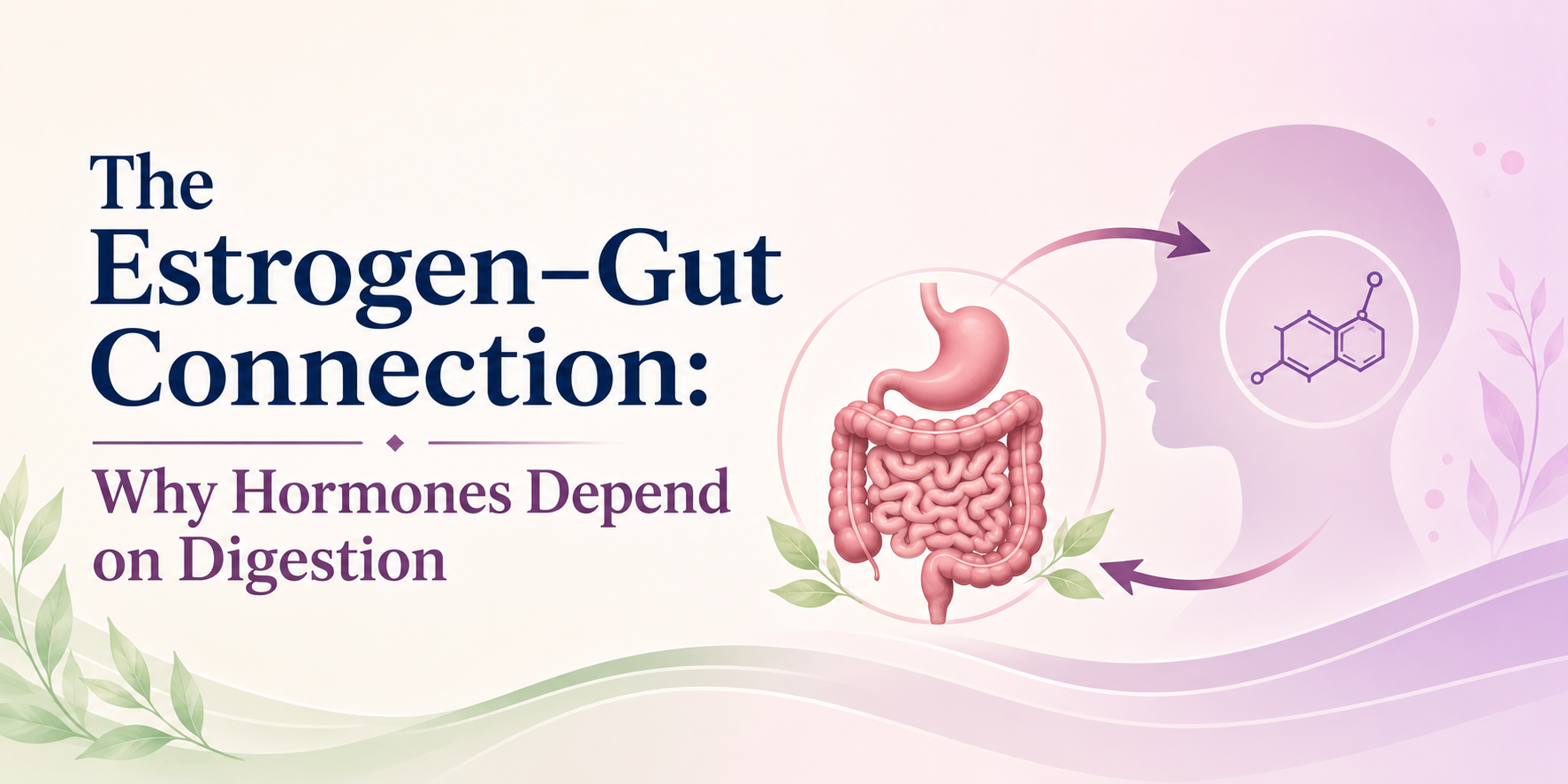
 Our bodies are intricate systems where everything is connected. One fascinating connection is between estrogen, a crucial hormone in women’s health, and the gut. Discover how digestion plays a pivotal role in regulating hormones and what it means for your overall well-being.
How the Gut Influences Hormones
The gut is more than just a digestive powerhouse; it plays a critical role in hormone regulation. This section explains the ‘why’ and ‘how’ behind the gut’s influential role on estrogen levels.
Your gut and hormones are like a harmonious duet, with each instrument playing a vital role. The gut affects your hormonal health mainly through its connection with the liver, which processes and regulates hormones like estrogen. When the gut is healthy, it supports liver function, allowing it to metabolize and expel excess or used hormones efficiently. Poor gut health, however, can lead to reabsorption of these hormones, leading to imbalances and related health issues. Thus, a healthy gut can help maintain balanced estrogen levels, crucial for women’s reproductive health. Gut health is integral to overall hormonal balance, and it’s fascinating to see how interlinked these systems truly are.
Stress and diet are two major factors that can disrupt this internal harmony. Stress, particularly chronic stress, affects the gut’s ability to function properly by altering its microbiome and permeability. This can lead to a domino effect where other bodily systems, such as the endocrine system, are impacted. A diet high in processed foods and low in fiber can also negatively impact the gut, leading to inflammation and a lack of essential nutrients needed for hormone production. It’s essential to manage stress and choose a healthy diet to ensure that your gut and hormones work in concert, promoting optimal health.
The Role of Gut Microbiome in Estrogen Modulation
Learn about the diverse community of bacteria residing in your gut and how they assist in metabolizing estrogens. We’ll explore how a balanced microbiome contributes to maintaining optimal hormone levels.
The <a title = "gut microbiomegut microbiome is a diverse community of trillions of bacteria, viruses, and fungi that reside in the digestive tract. These microorganisms are key players in many bodily functions, including hormone regulation. Among their many functions, certain gut bacteria are capable of producing an enzyme called beta-glucuronidase. This enzyme plays a crucial role in the metabolism of estrogen by breaking down conjugated estrogens into free forms that are reabsorbed or excreted by the body. A balanced gut microbiome is essential for maintaining normal levels of these enzymes and managing estrogen, preventing hormonal imbalances that could lead to conditions such as estrogen dominance.
An imbalanced or unhealthy microbiome can have detrimental effects on estrogen modulation. Over time, factors such as poor diet, antibiotics, and stress can reduce the diversity of bacteria in your gut, impacting its ability to regulate hormones. When the microbial balance is disturbed, it can lead to an increase in the reabsorption of estrogen, contributing to elevated hormone levels and increasing the risk for estrogen-related health issues like fibroids, endometriosis, and certain cancers. Embracing a diet rich in probiotics and prebiotics is one way to support gut health and maintain the microbiome’s ability to properly manage estrogen levels.
Dietary Choices That Foster Hormone Harmony
Explore which foods can nourish your gut and support estrogen balance. We’ll discuss key nutrients and dietary habits that play a role in hormone-friendly digestion.
Our gut and hormones thrive on a diet rich in whole foods and low in processed ones. Including a variety of fiber-rich foods like fruits, vegetables, whole grains, and legumes can promote a healthy microbiome, as fiber acts as fuel for the beneficial bacteria in our gut. Additionally, incorporating foods high in phytoestrogens, such as soybeans, flaxseeds, and sesame seeds, can support balanced estrogen levels by mimicking the hormone’s behavior, providing a gentle and natural way to regulate it. Ensuring adequate intake of omega-3 fatty acids, found in fatty fish, walnuts, and chia seeds, is also vital as they possess anti-inflammatory properties and support overall hormonal health.
Probiotic-rich foods, including yogurt, kefir, sauerkraut, and kimchi, are excellent for enhancing gut health due to their beneficial bacteria content, which helps maintain a balanced microbiome. These foods can aid in supporting the body’s hormonal functions, ensuring effective and efficient processing and regulation of estrogen. Cutting down on processed foods and sugars and prioritizing fermented foods over processed alternatives can offer long-term benefits. These choices not only nurture your gut but can also improve other aspects of your health, such as immune function, skin health, and even mental well-being by creating a solid foundation for hormonal balance to naturally build upon.
Signs of Imbalance: Gut and Hormonal Health
Identifying the signs when things aren’t right in the gut and hormone department can be crucial. This section highlights symptoms of imbalance and what they might mean for your health.
One of the most common signs of hormonal imbalance is irregular menstrual cycles, which can be influenced by gut health. Digestive issues like bloating, gas, and constipation often go hand-in-hand with these imbalances, hinting at an underlying issue within the gut. Additionally, experiencing fatigue, anxiety, and mood swings can be indicators that your gut is struggling to maintain its role in hormone regulation. Recognizing these symptoms early and understanding that they may signal a need for improved gut health can lead to more targeted interventions, ultimately prompting women to consider their diet, lifestyle, and medical support options.
Skin breakouts, particularly for those who do not normally experience acne, can also signal gut and hormonal issues. Numerous studies suggest that disruptions in the gut microbiome can be indirectly linked to skin conditions due to the gut-skin axis concept. Hair thinning or unusual hair growth can likewise point towards hormone imbalances that may relate back to your digestive health. By identifying these signs early, you can take proactive steps to address possible imbalances through functional medicine or dietary changes, working towards restoring harmony in both your gut and hormone functions to enhance well-being naturally.
Functional Medicine Approaches to Gut-Estrogen Balance
Functional medicine offers insightful approaches to restore balance in our bodies. Discover how this holistic practice can guide you in nurturing the estrogen-gut connection for better health.
Functional medicine emphasizes personalized care and takes into account every aspect of a patient’s life, working towards the root cause of issues rather than merely treating symptoms. This approach can be particularly beneficial for resolving complex problems like gut and hormone imbalances. By adopting principles such as stress management techniques, such as mindfulness and yoga, alongside patient-specific dietary plans, functional medicine helps layers of health to integrate harmoniously. Comprehensive testing can uncover underlying causes of imbalances, making way for tailored solutions that harmonize gut health with hormonal regulation.
Furthermore, by evaluating lifestyle factors, such as sleep patterns, exercise routines, and nutrition, functional medicine practitioners provide comprehensive guidance on improving these areas for optimal body function. Encouraging a balance in the consumption of whole foods, incorporating essential nutrients, and excluding inflammatory foods are key strategies. The holistic approaches in functional medicine celebrate the interconnection within bodily systems, shining a light on the incredible power of the gut-estrogen symbiosis. Consider consulting with our experts to explore these customized strategies further, aligning your body towards balance and better health with professional support.
For further information, to schedule an appointment or please contact Enovative Wellness at 602.614.9905 or visit www.EnovativeWellness.com to learn more.
