
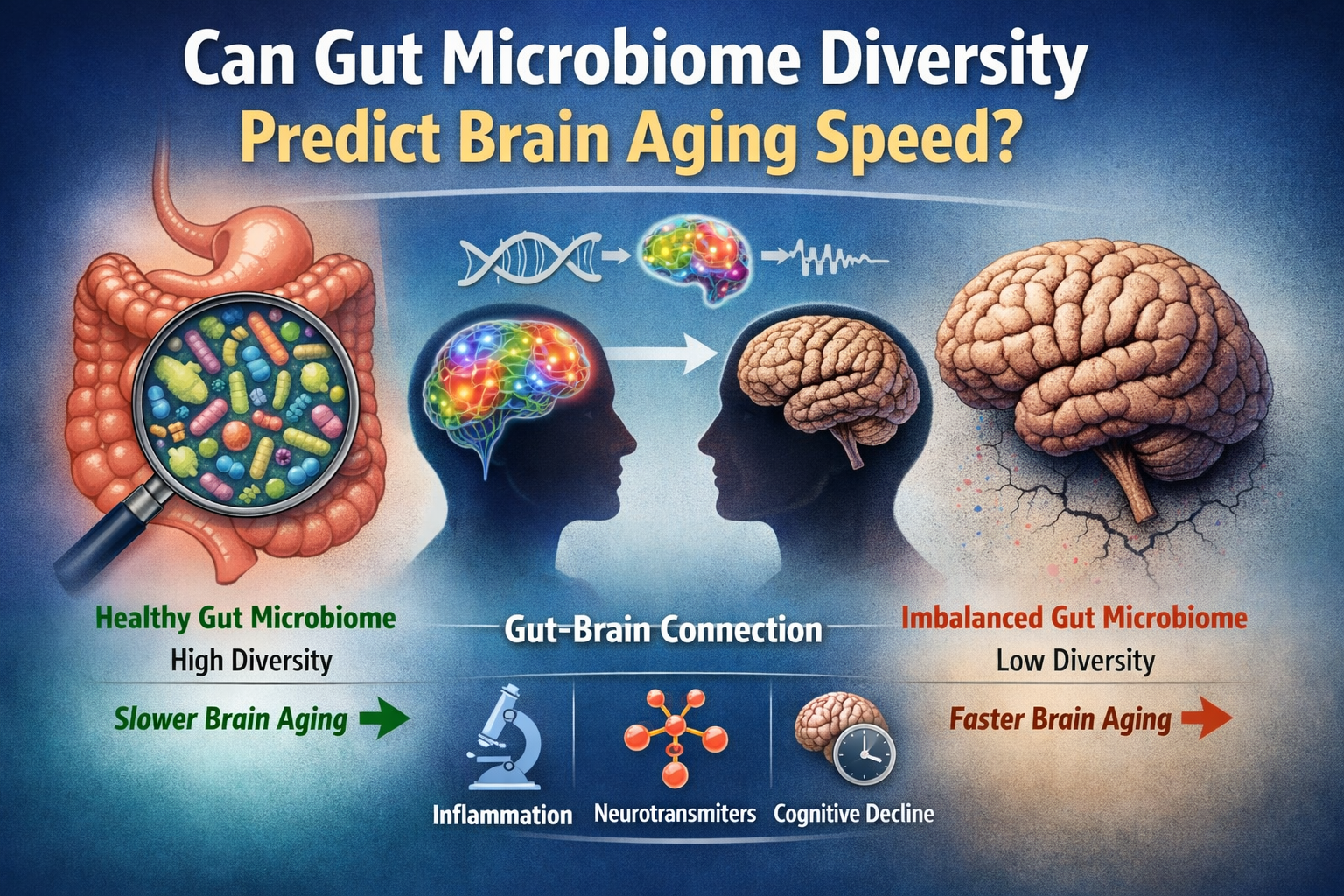
 Exploring the mysteries of the human body can be fascinating, especially when we dive into the complex world of gut microbiomes. Often referred to as our ‘second brain’, the gut is home to trillions of microorganisms that could hold the key to understanding brain aging. This blog explores how the diversity of these gut microbes might influence the pace at which our brains age, providing insight into the role of functional medicine in maintaining cognitive health.
Understanding the Gut-Brain Axis
The gut-brain axis is a complex network that links the emotional and cognitive centers of the brain with peripheral intestinal functions. This connection shows that our minds and guts communicate more than we might have thought, influencing everything from mood to brain health.
Recent research has unveiled how intricate this connection truly is. The gut communicates with the brain through several pathways involving the nervous system, hormones, and immune factors. This bidirectional communication allows gut-based signals to influence brain processes, emphasizing the importance of gut health in managing stress, anxiety, and even chronic brain-related conditions.
Interestingly, the vagus nerve acts as a primary link between the gut and the brain, serving as a major highway for messages that affect mental well-being. It sends information about the state of the gut microbiota directly to the brain, helping regulate neuroimmune functions. This pathway has sparked scientific interest in how enhancing gut health could counteract some of the unwanted effects of aging on the brain.
Microbiome Diversity: What It Means
Diversity in the gut microbiome refers to the variety of bacterial species living in our digestive tract. A rich diversity is often a marker of health, while a lack of it can be linked to various conditions, including those affecting the brain.
It’s fascinating to realize that the composition of our gut flora is dynamic and can be influenced by diet, lifestyle, and environmental factors. For example, including a range of fruits and vegetables in your diet can increase this diversity, which might play a crucial role in protecting against neurological degeneration. Conversely, a monotonic diet might lead to reduced microbial diversity, increasing vulnerability to diseases.
Impacts of Gut Microbes on Brain Function
Gut microbes produce neurotransmitters and other compounds that can influence brain function. Recent studies suggest that these microorganisms might also play a role in how fast or slow the brain ages, offering a fresh perspective on maintaining mental acuity.
One intriguing area of study examines how certain gut bacteria produce short-chain fatty acids that can enhance brain clarity and resilience against age-related cognitive decline. Additionally, these bacteria help reduce inflammation, which is increasingly being recognized as a contributor to brain aging. This insight is forming the basis for innovative approaches in functional medicine to slow down brain aging through microbiome-focused therapies.
Functional Medicine Approaches
Functional medicine takes a holistic approach to health, focusing on the root causes of disease. By considering the gut-brain connection, practitioners aim to enhance microbiome diversity as a pathway to better brain health and slower cognitive aging.
Practitioners of functional medicine often emphasize personalized nutrition plans designed to nourish both the body and mind. By doing so, they target specific gut flora alterations that may pose risks to brain health. This customized strategy aims to reduce inflammation, balance hormones, and ultimately encourage neural regeneration.
Furthermore, functional medicine champions preventative strategies, encouraging proactive health measures rather than reactive treatments. Simple changes like incorporating stress reduction techniques and improving sleep patterns are promoted as part of a comprehensive plan to bolster both gut and brain health.
Enhancing Microbiome Health Naturally
Simple lifestyle changes such as adopting a balanced diet rich in fiber, fermented foods, and probiotics can boost microbiome health. These adjustments may enhance microbiome diversity and potentially contribute to healthier brain aging.
Foods like yogurt, kefir, sauerkraut, and kimchi are excellent sources of probiotics. These fermented foods introduce beneficial bacteria into the gut, increasing the richness of the microbial community. Coupled with a nutrient-dense diet featuring fruits and vegetables, these foods offer a natural way to support both gut and brain health.
Beyond diet, regular physical activity and adequate hydration are also crucial. Exercise stimulates microbial diversity, potentially mimicking the effects of beneficial microbial species on brain health. Similarly, staying well-hydrated helps maintain the right balance of gut bacteria, contributing to overall health and preventing premature aging of the brain.
For further information, to schedule an appointment or please contact Enovative Wellness at 602.614.9905 or visit www.EnovativeWellness.com to learn more.
