
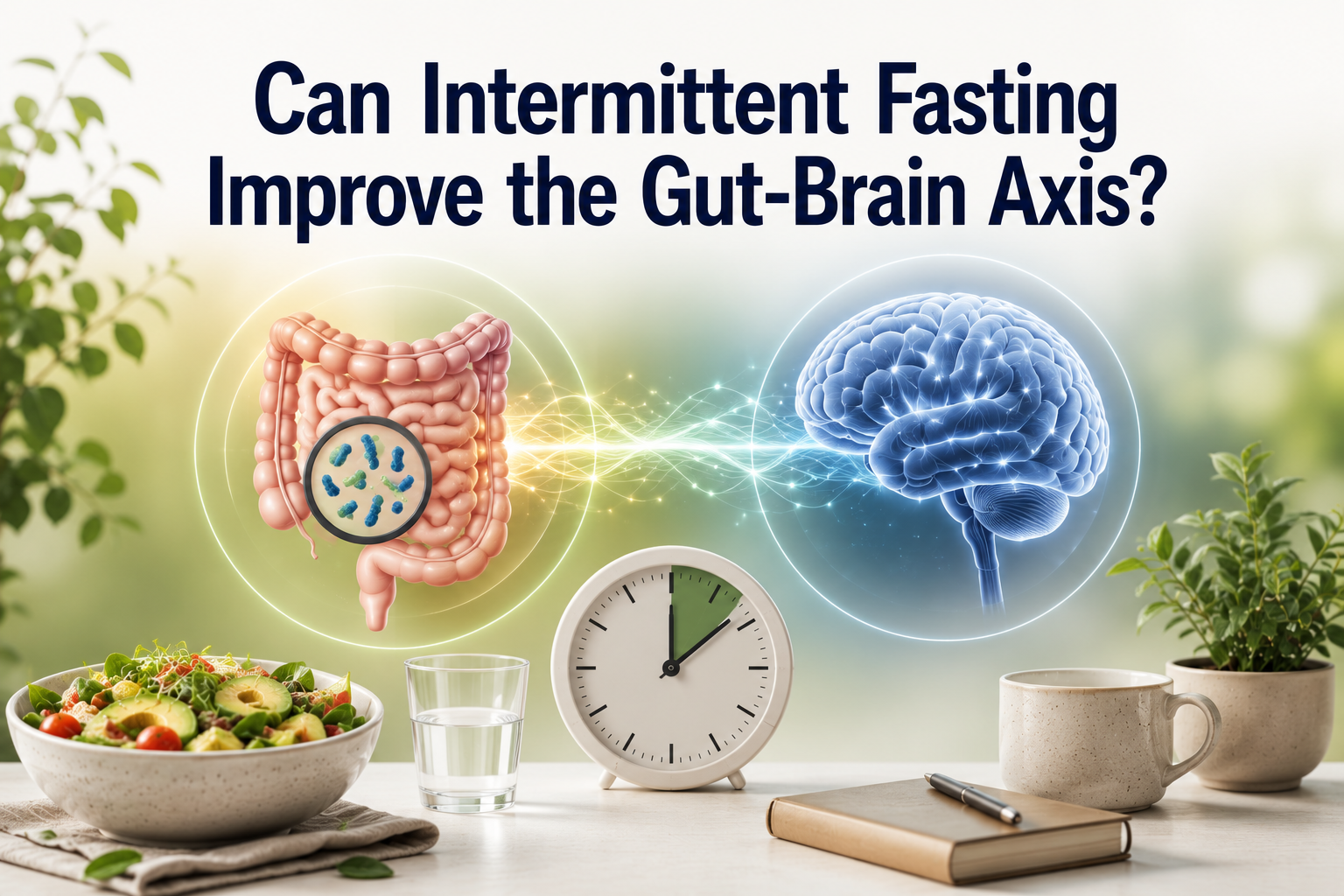
In recent years, the concept of the gut-brain axis has gained significant attention in the world of functional medicine. This intricate connection between our digestive system and mental health is fascinating, yet complex. Many people are turning to intermittent fasting as a way to potentially enhance this connection. But can intermittent fasting truly have a positive effect on the gut-brain axis? Let’s explore this intriguing relationship.
Understanding the Gut-Brain Axis
The gut-brain axis is a complex communication network linking the emotional and cognitive centers of the brain with our intestinal funawrfq,d
mctions. It involves multiple pathways including hormonal, neural, and immune signals, all of which affect digestion and mood.
Functional medicine emphasizes the importance of this axis, viewing it as a critical determinant of overall health. It underscores that disruptions in this communication can lead to various health challenges, such as anxiety or digestive issues. By understanding this connection better, we can explore ways to foster a supportive environment for both our minds and our digestive systems.
Recent research has highlighted how vital the gut microbiota, trillions of bacteria residing in our intestines, plays in maintaining this connection. Their balance or imbalance can significantly impact our brain health and behavior. Thus, nurturing these tiny inhabitants might foster better brain health and a more resilient digestive system.
How Intermittent Fasting Works
Intermittent fasting is more of a lifestyle choice than just a diet; it’s all about timing when you eat, not stressing over the exact foods on your plate. So, instead of telling you what to munch on, it’s all about deciding when to dig in. You might have heard of a few popular methods, like the 16⁄8 approach, where you fast for 16 hours and then eat during an 8-hour window, or the eat-stop-eat method, which has you fasting for a whole day once or twice a week. There’s also the 5:2 diet, where you eat normally for five days and limit calories for the other two days. It’s really flexible, which is part of the charm!
During the fasting periods, your body undergoes several important changes. Hormone levels adjust to make stored body fat more accessible, while cellular repair processes, such as autophagy, kick into gear. These changes can potentially provide health benefits like weight reduction, increased longevity, and improved metabolic functions.
This approach can modify how the body functions at the cellular level. One such modification involves insulin levels. Fasting leads to lower insulin levels, promoting fat burning. Additionally, fasting has been shown to trigger certain beneficial cellular repair processes, which may contribute to the health of the gut-brain axis.
Effects of Fasting on the Digestive System
Fasting offers rest to the digestive organs, potentially improving gut health by allowing for the healing and regeneration of the gut lining. This can lead to better nutrient absorption and a reduced risk of inflammation-related gut issues.
Moreover, intermittent fasting might aid in enhancing the gut microbiome diversity. When given a break from constant digestion, the balance of gut bacteria can reset in favor of beneficial strains over harmful ones, showing promise for those suffering from imbalances related to modern diets high in processed foods.
It is fascinating that through fasting, the gut is not only given a chance to rest, but it may also begin to flourish. Studies indicate that fasting might help in reducing digestive disorders, easing symptoms of conditions like irritable bowel syndrome by reducing gut inflammation—a factor often exacerbated by continual food intake and stress.
Fasting’s Influence on Mental Clarity
Many intermittent fasters report improved mental clarity and mood. This could be due to the increased production of brain-derived neurotrophic factor (BDNF), which supports brain health and cognitive function.
BDNF plays a crucial role in brain plasticity, essential for learning and memory. Research shows that fasting may increase BDNF levels, thereby enhancing focus and memory retention for many individuals. This boost in cognitive function is one of the compelling reasons people try intermittent fasting, as mental agility is vital in today’s fast-paced world.
Interestingly, alongside BDNF, intermittent fasting can influence the release of neurotransmitters such as endorphins, known as ‘feel-good’ hormones. This might explain why some people notice a mood improvement during fasting intervals, contributing to an improved sense of well-being.
Exploring the Scientific Evidence
Current studies suggest that intermittent fasting may positively affect the gut microbiota composition, which plays a crucial role in the gut-brain communication. While more research is needed, early findings are promising for its potential to enhance mood and brain health.
Animal studies show that intermittent fasting can lead to changes in the gut microbiota composition, enhancing the production of beneficial short-chain fatty acids which have a protective role in brain health. This interplay between gut bacteria and brain function further illuminates the importance of dietary patterns in overall mental well-being.
Despite the promising data, it’s crucial to approach these findings with cautious optimism. Human studies are still ongoing to offer a more detailed understanding of how fasting influences the gut-brain axis. For those interested in trying intermittent fasting, consulting with a healthcare provider can tailor the practice in line with personal health needs, ensuring it aligns with broader well-being goals.
Frequently Asked Questions
What is the gut-brain axis and why is it important?
The gut-brain axis is a communication network linking the digestive system and the brain. This connection influences our mental health, mood, and even digestion. Understanding this relationship is key in functional medicine, which sees disruptions in this axis as potential contributors to various health issues, including anxiety and digestive disorders.
How does intermittent fasting impact gut health?
Intermittent fasting allows the digestive system to rest, potentially improving gut health. It can promote the healing of the gut lining, enhance nutrient absorption, and help balance gut microbiota. These benefits may lead to reduced inflammation and greater overall digestive wellbeing, vital components of functional medicine’s holistic approach.
Can intermittent fasting improve mental clarity?
Yes, many people report increased mental clarity while practicing intermittent fasting. This may be linked to the rise in brain-derived neurotrophic factor (BDNF), which supports cognitive function. Enhanced focus and improved mood during fasting periods can contribute significantly to mental well-being, aligning with the concepts of functional medicine.
What does research say about fasting and the gut-brain connection?
Current studies indicate that intermittent fasting may positively influence the gut microbiota, which in turn affects mood and brain health. While much of this research comes from animal studies, initial findings suggest fasting can enhance beneficial bacteria and short-chain fatty acid production, emphasizing the relevance of dietary patterns in functional medicine.
Is intermittent fasting suitable for everyone?
Intermittent fasting can be beneficial, but it’s not for everyone. Individual health needs vary, so it’s crucial to consult with a healthcare provider before starting this practice. They can help tailor an intermittent fasting approach that fits your unique circumstances and goals, ensuring it aligns with the principles of functional medicine.
Ready to Improve Your Gut and Brain Health?
Intermittent fasting is just one of many lifestyle strategies that can support a healthier gut-brain axis. At our clinic, we evaluate your nutrition, hormones, gut microbiome, and metabolic health to develop a customized plan designed specifically for you.
For further information, to schedule an appointment or please contact Enovative Wellness at 602.614.9905 or visit www.EnovativeWellness.com to learn more.
