
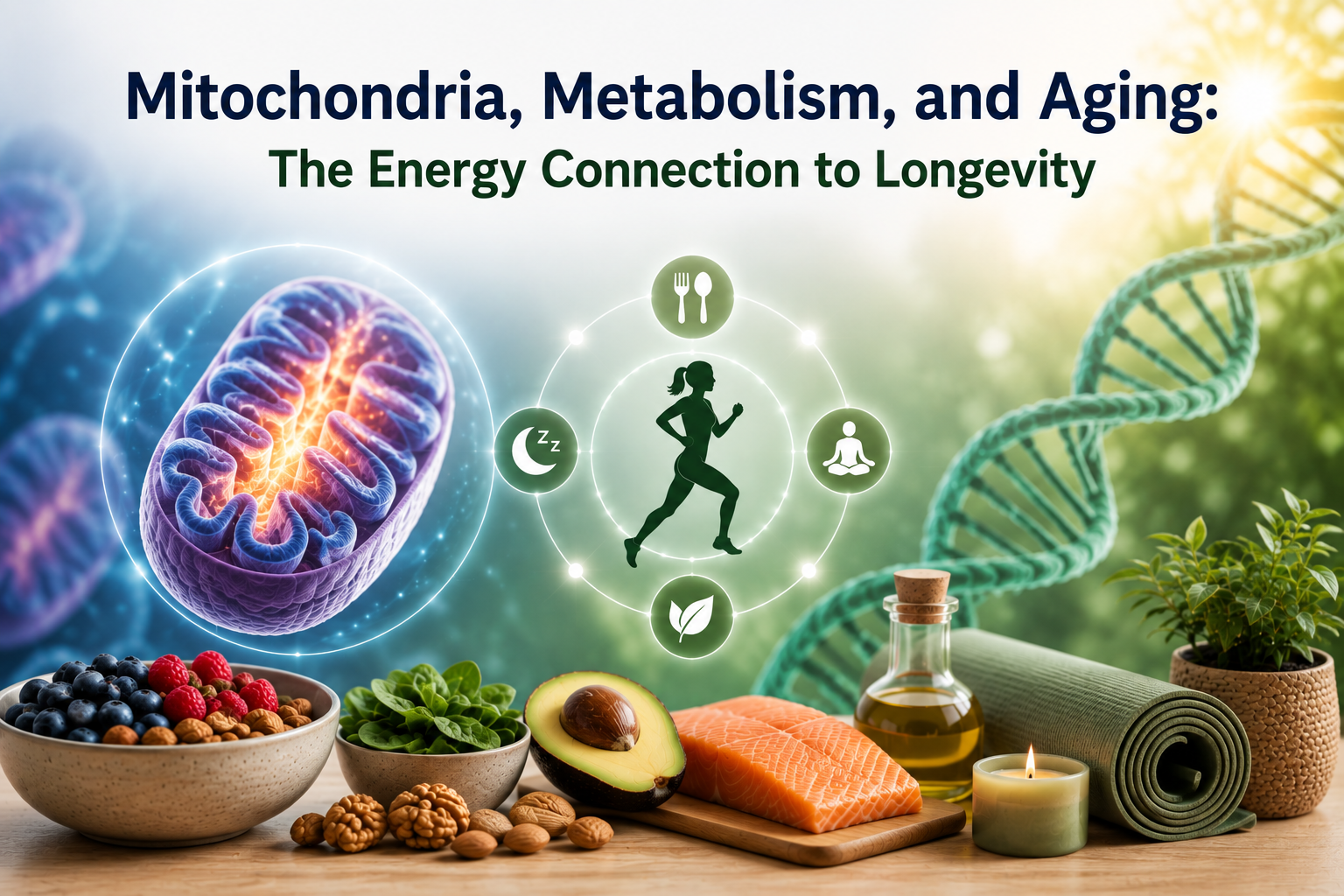
 Discovering the secrets to a longer, healthier life has always fascinated humans. In the realm of functional medicine, understanding the energy powerhouse of our cells, the mitochondria, offers intriguing insights. This blog explores the fascinating link between mitochondria, metabolism, and the aging process.
The Powerhouses of Our Cells
Mitochondria are the tiny yet mighty power plants of the cell, responsible for producing the energy needed for our bodies to function. Knowing their role helps us appreciate how they influence our well-being and longevity. These bean-shaped organelles take in nutrients, break them down, and create energy-rich molecules for the cell. This energy production is vital for muscle function, brain power, and overall cell maintenance.
Interestingly, mitochondria have their own DNA, separate from the DNA found in a cell’s nucleus. This unique feature provides mitochondria with a degree of autonomy in producing proteins needed for energy conversion. Because of this, mutations in mitochondrial DNA can directly affect our energy levels and have been linked to aging and various metabolic disorders.
Metabolism and Energy Production
Our metabolism relies on mitochondria to convert nutrients from our diet into adenosine triphosphate (ATP), the energy currency of cells. This process is integral to everything from physical activity to organ function. When you eat, mitochondria break down carbohydrates, fats, and proteins, turning them into usable energy. This isn’t just happening during exercise; it’s a constant process happening anytime you eat or drink, which explains why a balanced diet is crucial for maintaining energy.
ATP production isn’t just about immediate energy. This continuous energy supply is essential for maintaining homeostasis, a stable internal environment which supports cell repair, immune function, and even brain activity. The efficiency of this system declines over time, but by making informed dietary and lifestyle choices, we can support our metabolism and ensure that our mitochondria continue to perform optimally.
The Aging Mitochondria
As we age, our mitochondria can become less efficient at producing energy, which contributes to the slowing down of bodily functions associated with aging. This degeneration affects various aspects of health and vitality. Aging mitochondria produce more free radicals, causing oxidative stress that can damage cells and tissues. This oxidative stress isn’t just internal; it affects our skin’s appearance and can lead to fatigue and a reduced ability to recover from physical exertion.
Emerging research suggests that enhancing mitochondrial function can slow down the aging process. Scientists are now studying how interventions like calorie restriction and certain supplements may improve mitochondrial function and delay aging. Further studies could provide more clues on how to effectively support mitochondrial health as part of a comprehensive strategy for aging gracefully.
Functional Medicine’s Approach to Mitochondrial Health
Functional medicine focuses on a holistic approach to enhance mitochondrial function. By targeting diet, lifestyle, and environment, it aims to optimize energy production and combat age-related decline. Practitioners of functional medicine employ personalized strategies that include nutritional optimization, stress management, and detoxification, all aimed at bolstering mitochondrial health and enhancing cellular energy reserves.
Functional medicine looks at root causes rather than just treating symptoms, assessing factors such as genetics, biochemical individuality, and environmental influences. This approach not only aids in managing symptoms associated with mitochondrial decline but also fosters a path towards long-term well-being and vitality.
Practical Tips for Supporting Your Mitochondria
Incorporate a balanced diet, rich in antioxidants and healthy fats, regular exercise, and stress management techniques to boost mitochondrial health and support longevity. Foods like berries, nuts, and fatty fish are high in nutrients that support mitochondrial function. Regular, moderate exercise improves energy production efficiency, while stress-reducing practices such as meditation can decrease oxidative stress on cells.
Another strategy is to ensure adequate sleep, as restful sleep allows the body to repair and regenerate mitochondrial structures. Not to be overlooked, staying hydrated and reducing toxin exposure, like from smoking or excessive alcohol, can have significant impacts on mitochondrial health. By integrating these small yet powerful changes, you can take active steps in supporting your mitochondria and boosting your overall energy levels.
Frequently Asked Questions
What are mitochondria and why are they important for aging?
Mitochondria are often called the powerhouses of our cells because they generate the energy our bodies need to function. As we age, mitochondrial efficiency declines, leading to decreased energy production and increased oxidative stress. Understanding their role can help us explore ways to promote longevity and mitigate age-related decline.
How does functional medicine support mitochondrial health?
Functional medicine emphasizes a holistic approach to health by addressing the root causes of issues rather than just symptoms. It supports mitochondrial health through personalized strategies, such as nutritional optimization, stress management, and detoxification, ultimately aiming to enhance energy production and overall well-being.
What lifestyle changes can improve my metabolism and mitochondrial function?
To boost your metabolism and mitochondrial health, focus on a balanced diet rich in antioxidants and healthy fats, regular moderate exercise, and effective stress management techniques. Incorporating foods like berries and fatty fish, staying hydrated, and ensuring adequate sleep can make a significant impact.
Can supplements enhance mitochondrial function as we age?
Yes, certain supplements may help enhance mitochondrial function and support healthy aging. Research is ongoing in this area, particularly regarding how specific nutrients can affect energy production and reduce oxidative stress. It’s always wise to consult with a healthcare professional before starting any new supplements.
What role does diet play in managing mitochondrial health?
Diet is crucial for mitochondrial health as it provides the necessary nutrients for energy production. Consuming a balanced diet with plenty of fruits, vegetables, healthy fats, and lean proteins can improve mitochondrial function. Functional medicine practitioners often recommend dietary changes tailored to individual needs to foster optimal cellular health.
For further information, to schedule an appointment or please contact Enovative Wellness at 602.614.9905 or visit www.EnovativeWellness.com to learn more.
{
“@context”: “https://schema.org”,
“@type”: “FAQPage”,
“mainEntity”: [{
“@type”: “Question”,
“name”: “What are mitochondria and why are they important for aging?”,
“acceptedAnswer”: {
“@type”: “Answer”,
“text”: “Mitochondria are often called the powerhouses of our cells because they generate the energy our bodies need to function. As we age, mitochondrial efficiency declines, leading to decreased energy production and increased oxidative stress. Understanding their role can help us explore ways to promote longevity and mitigate age-related decline.”
}
},{
“@type”: “Question”,
“name”: “How does functional medicine support mitochondrial health?”,
“acceptedAnswer”: {
“@type”: “Answer”,
“text”: “Functional medicine emphasizes a holistic approach to health by addressing the root causes of issues rather than just symptoms. It supports mitochondrial health through personalized strategies, such as nutritional optimization, stress management, and detoxification, ultimately aiming to enhance energy production and overall well-being.”
}
},{
“@type”: “Question”,
“name”: “What lifestyle changes can improve my metabolism and mitochondrial function?”,
“acceptedAnswer”: {
“@type”: “Answer”,
“text”: “To boost your metabolism and mitochondrial health, focus on a balanced diet rich in antioxidants and healthy fats, regular moderate exercise, and effective stress management techniques. Incorporating foods like berries and fatty fish, staying hydrated, and ensuring adequate sleep can make a significant impact.”
}
},{
“@type”: “Question”,
“name”: “Can supplements enhance mitochondrial function as we age?”,
“acceptedAnswer”: {
“@type”: “Answer”,
“text”: “Yes, certain supplements may help enhance mitochondrial function and support healthy aging. Research is ongoing in this area, particularly regarding how specific nutrients can affect energy production and reduce oxidative stress. It’s always wise to consult with a healthcare professional before starting any new supplements.”
}
},{
“@type”: “Question”,
“name”: “What role does diet play in managing mitochondrial health?”,
“acceptedAnswer”: {
“@type”: “Answer”,
“text”: “Diet is crucial for mitochondrial health as it provides the necessary nutrients for energy production. Consuming a balanced diet with plenty of fruits, vegetables, healthy fats, and lean proteins can improve mitochondrial function. Functional medicine practitioners often recommend dietary changes tailored to individual needs to foster optimal cellular health.”
}
}]
}
