
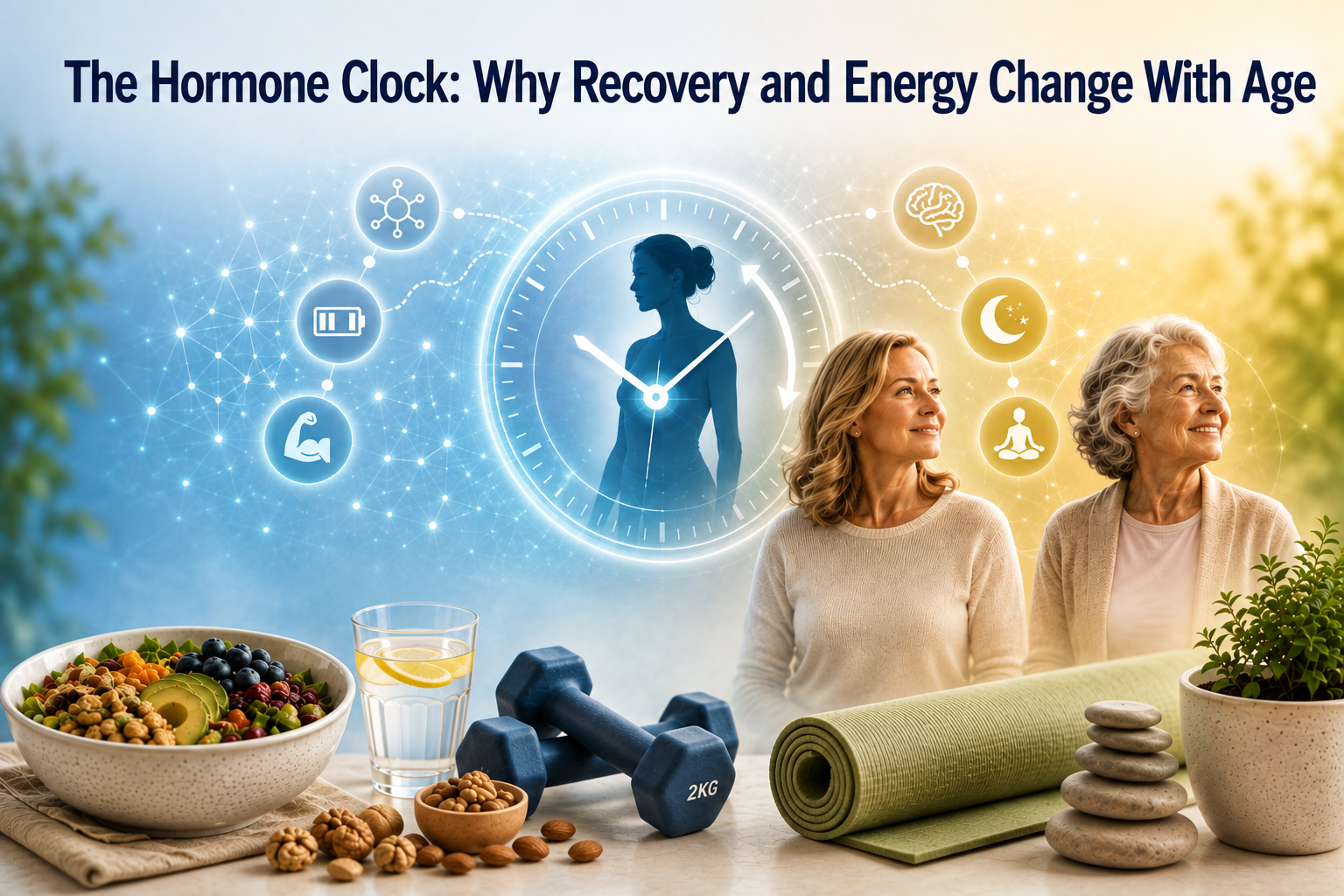
 As we journey through the different stages of life, our bodies evolve in more ways than one. A key aspect of this transformation revolves around hormones—those tiny messengers that orchestrate nearly every function in our bodies. Join me as we explore the intricate connections between our changing hormones, energy levels, and recovery times as we age.
The Symbiotic Dance of Hormones and Energy
Hormones are integral to regulating energy production and distribution within our bodies. This delicate balance is pivotal at every age but becomes more evident as we age, influencing how energetic we feel daily. Consider hormone fluctuations as a finely-tuned symphony; when one instrument is out of tune, it affects the entire piece. For instance, cortisol, a hormone often associated with stress, can have a profound impact on our energy levels, sometimes leading to feelings of fatigue or even burnout.
Understanding this dance between hormones and energy requires a closer look at how lifestyle choices can tip the scales. Regular exercise, a balanced diet, and adequate sleep all play crucial roles in maintaining hormonal balance. As noted by experts in functional medicine, these elements are integral not only for healthy aging but for optimizing energy levels throughout life. Emphasizing these habits can significantly improve both physical and mental stamina, helping us combat the inevitable changes brought by time.
Navigating the Teenage Hormone Surge
Adolescence brings about a tidal wave of hormonal changes. While these shifts may lead to enhanced energy and growth spurts, they can also result in fluctuating moods and energy levels. This is because hormones such as estrogen and testosterone are ramping up to facilitate growth and maturity. As these changes unfold, teenagers might feel an overwhelming surge of energy followed by periods of fatigue, a cycle that can be perplexing for both teens and their guardians.
A critical aspect of managing these changes involves promoting a healthy lifestyle. Encouraging adolescents to engage in regular physical activities and consume balanced meals can regulate these hormonal shifts effectively. Research suggests that activities like sports help maintain energy levels and promote better mood stability. It illustrates the importance of adopting healthy habits early on, setting a foundation for better hormonal regulation in adulthood.
Early Adulthood: Hormones in Balance
During early adulthood, our hormones often reach a harmonious balance, supporting optimal recovery and energy. It’s often considered the prime of our lives when vigorous activity is matched by rapid recovery times. However, factors such as stress and diet cannot be underestimated as they wield significant power over our well-being. For example, chronic stress elevates cortisol levels, potentially disrupting this delicate hormonal balance and leading to fatigue.
This stage of life offers an opportunity to establish sustainable habits that can have enduring benefits. Implementing mindful practices like yoga or meditation can mitigate stress and help maintain the body’s equilibrium. Recognizing the importance of moderation can also prevent the over-reliance on stimulants like caffeine, which can disrupt sleep and ultimately, hormonal balance. Exploring personalized nutritional plans, crafted through the principles of functional medicine, can further enhance recovery and energy management strategies.
Support networks at this age are valuable, as they encourage individuals to pursue a balanced life. Engaging with communities that foster an appreciation for wellness can provide motivation and insights into maintaining hormone health. Being informed about the potential early signs of hormonal imbalance is critical, as prompt attention can safeguard against more severe issues down the road.
The Midlife Hormonal Transition
As we enter midlife, hormonal shifts such as a decline in estrogen or testosterone may occur. These changes can affect metabolism, recovery, and energy levels, prompting many to explore lifestyle modifications. The natural decrease in these hormones often results in symptoms such as decreased muscle mass, energy dip, and altered mood. However, these effects are not inevitable and can be managed effectively with the right strategies.
For women, this period often means the onset of menopause, which brings its own set of challenges. Symptoms like hot flashes and night sweats can significantly impact sleep, contributing to increased fatigue. For men, andropause or the male menopause, can induce similar changes, with shifts in mood and endurance levels. Here, functional medicine approaches serve as a valuable tool, offering personalized care that addresses these specific concerns.
Midlife presents a perfect opportunity for self-reflection and redefining personal health goals. It is critical to engage in regular health screenings and adopt lifestyle changes that bolster hormone health. Implementing practices like strength training, aerobic exercises, and stress management techniques can play a significant role in preserving muscle mass and energy levels. Keeping an open and honest dialogue with healthcare providers ensures a tailored approach, adapting as these hormonal transitions occur.
Embracing Golden Years with Vitality
In our later years, energy preservation becomes crucial. Functional medicine emphasizes personalized strategies, including diet and exercise, to help maintain energy and support hormonal health. Beyond merely compensating for the effects of aging, these years can be vibrant and fulfilling. Paying attention to our bodies’ needs is vital, as the interplay between hormones and energy continues to evolve.
One of the focuses at this stage is supporting brain health, as cognitive function can also be influenced by hormonal changes. Incorporating foods that are rich in omega-3 fatty acids and antioxidants can support both brain and body vitality. Regular low-impact activities like walking, swimming, or yoga can enhance mobility and reduce the risk of illnesses. As one study highlights, engaging in physical activity is crucial to managing energy levels and overall health.
Understanding one’s genetic predispositions can also provide insights into health management during this life stage. With a focus on personalized health plans, individuals can work towards goals that are both realistic and beneficial, improving quality of life. For those seeking guidance on how to embrace these years with vitality, our wellness services are designed to provide support and expertise tailored to your unique health journey, paving the path for a healthy and energizing golden era.
Frequently Asked Questions
What is functional medicine, and how can it help with hormonal changes as we age?
Functional medicine is a holistic approach to healthcare that focuses on identifying and addressing the root causes of health issues, rather than just treating symptoms. As we age, hormonal changes can significantly impact our energy and recovery. Functional medicine can provide personalized strategies, such as nutrition and lifestyle modifications, to help manage these hormonal transitions effectively.
How do hormone fluctuations affect energy levels in different life stages?
Hormone fluctuations are a natural part of aging that can significantly influence energy levels. During adolescence, hormonal surges lead to fluctuating moods and energy spikes. In midlife, decreased hormones like estrogen and testosterone can cause fatigue and reduced metabolism. Understanding these changes can help us adapt our lifestyles to maintain optimal energy.
What lifestyle changes can help maintain hormonal balance?
Maintaining hormonal balance requires a combination of healthy habits. Regular exercise, a balanced diet rich in nutrients, and adequate sleep are crucial. Incorporating stress management techniques, such as yoga or meditation, can also support hormonal health. By embracing these lifestyle adjustments, we can foster a more vibrant and energetic life.
Why is understanding hormonal changes important during midlife?
Understanding hormonal changes during midlife is essential because they can affect physical health and emotional well-being. Symptoms like fatigue and mood changes may arise from declining hormones. Awareness allows individuals to seek appropriate adjustments and interventions, including functional medicine approaches aimed at maintaining energy and overall health.
How can I boost my energy naturally as I grow older?
Boosting energy naturally involves a structured approach. Engaging in regular physical activity, prioritizing sleep, and consuming a nutrient-dense diet are all effective strategies. Additionally, exploring functional medicine can provide tailored plans that support hormonal balance, helping you maintain vitality as you age. Small, consistent changes can enhance your overall energy levels.
For further information, to schedule an appointment or please contact Enovative Wellness at 602.614.9905 or visit www.EnovativeWellness.com to learn more.
{
“@context”: “https://schema.org”,
“@type”: “FAQPage”,
“mainEntity”: [{
“@type”: “Question”,
“name”: “What is functional medicine, and how can it help with hormonal changes as we age?”,
“acceptedAnswer”: {
“@type”: “Answer”,
“text”: “Functional medicine is a holistic approach to healthcare that focuses on identifying and addressing the root causes of health issues, rather than just treating symptoms. As we age, hormonal changes can significantly impact our energy and recovery. Functional medicine can provide personalized strategies, such as nutrition and lifestyle modifications, to help manage these hormonal transitions effectively.”
}
},{
“@type”: “Question”,
“name”: “How do hormone fluctuations affect energy levels in different life stages?”,
“acceptedAnswer”: {
“@type”: “Answer”,
“text”: “Hormone fluctuations are a natural part of aging that can significantly influence energy levels. During adolescence, hormonal surges lead to fluctuating moods and energy spikes. In midlife, decreased hormones like estrogen and testosterone can cause fatigue and reduced metabolism. Understanding these changes can help us adapt our lifestyles to maintain optimal energy.”
}
},{
“@type”: “Question”,
“name”: “What lifestyle changes can help maintain hormonal balance?”,
“acceptedAnswer”: {
“@type”: “Answer”,
“text”: “Maintaining hormonal balance requires a combination of healthy habits. Regular exercise, a balanced diet rich in nutrients, and adequate sleep are crucial. Incorporating stress management techniques, such as yoga or meditation, can also support hormonal health. By embracing these lifestyle adjustments, we can foster a more vibrant and energetic life.”
}
},{
“@type”: “Question”,
“name”: “Why is understanding hormonal changes important during midlife?”,
“acceptedAnswer”: {
“@type”: “Answer”,
“text”: “Understanding hormonal changes during midlife is essential because they can affect physical health and emotional well-being. Symptoms like fatigue and mood changes may arise from declining hormones. Awareness allows individuals to seek appropriate adjustments and interventions, including functional medicine approaches aimed at maintaining energy and overall health.”
}
},{
“@type”: “Question”,
“name”: “How can I boost my energy naturally as I grow older?”,
“acceptedAnswer”: {
“@type”: “Answer”,
“text”: “Boosting energy naturally involves a structured approach. Engaging in regular physical activity, prioritizing sleep, and consuming a nutrient-dense diet are all effective strategies. Additionally, exploring functional medicine can provide tailored plans that support hormonal balance, helping you maintain vitality as you age. Small, consistent changes can enhance your overall energy levels.”
}
}]
}
