
 Have you ever stopped to think about how the food you eat might be affecting your brain? It turns out that what we consume can play a big role in cognitive health, thanks in part to some little-known compounds called short-chain fatty acids. Let’s dive into the fascinating world of these gut-friendly compounds and explore how they can help keep our brains sharp and healthy.
Understanding the Gut-Brain Connection
The gut and brain communicate in a complex way, referred to as the gut-brain axis. This connection highlights how our gut health is crucial for cognitive functions. Short-chain fatty acids are pivotal players in this communication, linking what we eat to how we think.
One crucial aspect of the gut-brain axis is the role of neurotransmitters. Interestingly, a significant amount of serotonin, often dubbed the ‘feel-good’ neurotransmitter, is actually produced in the intestines. This surprising fact underscores how interconnected our digestive and mental health truly are.
What Are Short-Chain Fatty Acids?
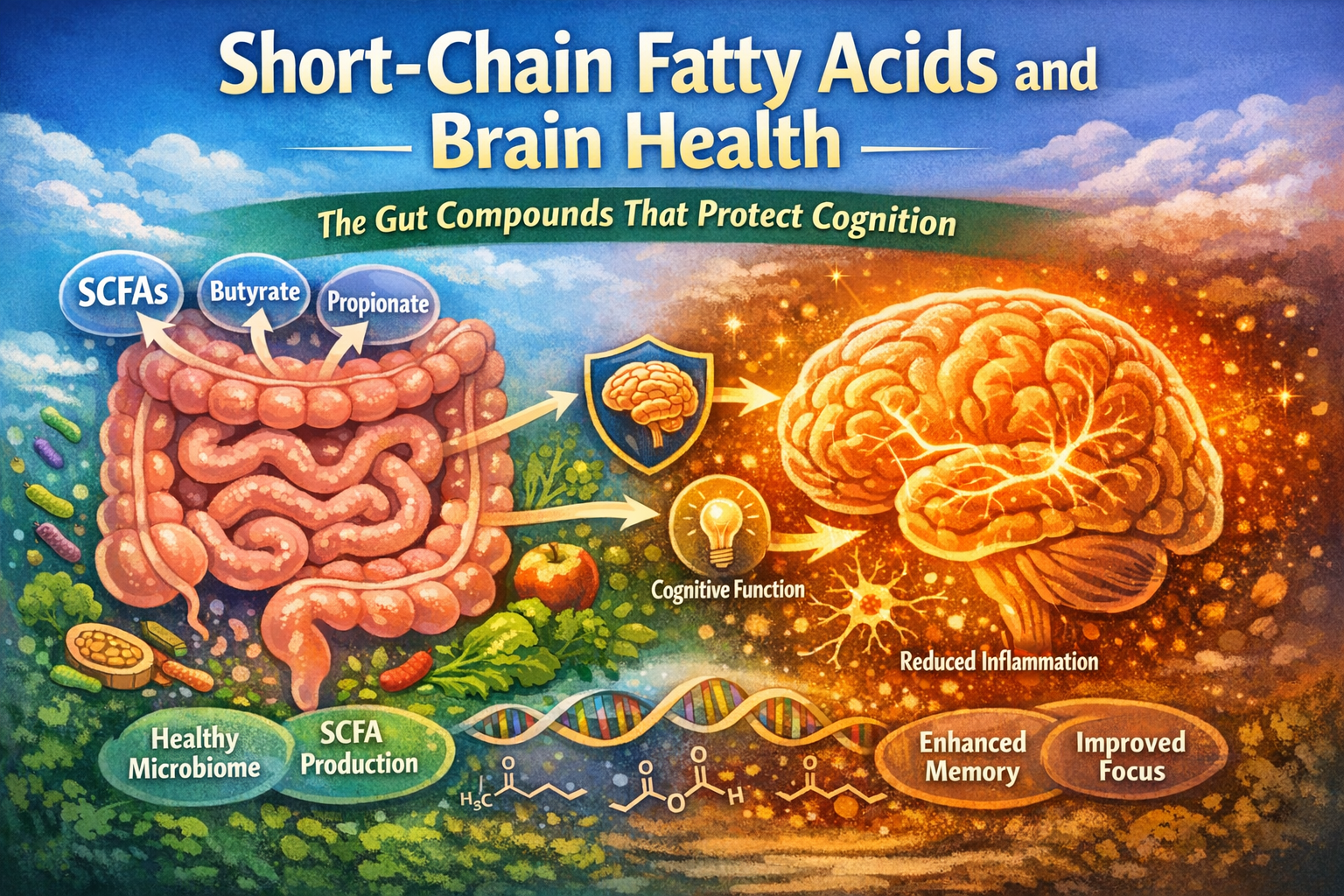
Short-chain fatty acids (SCFAs) are a type of fat produced when fiber is fermented in the colon. They are responsible for a range of vital processes in the body, with a significant impact on brain health. Understanding these compounds reveals how they contribute to cognitive protection and enhancement.
The most common SCFAs include acetate, propionate, and butyrate. These compounds not only help in reducing inflammation but also in regulating the release of inflammatory cytokines, which are pivotal in managing brain health and preventing neurodegenerative conditions.
How They Protect the Brain
These fatty acids help reduce inflammation, enhance blood flow to the brain, and improve the function of brain cells. In this way, they can offer protection against cognitive decline and improve overall brain function, making them an essential element in maintaining mental acuity.
Moreover, the benefits of short-chain fatty acids extend to the production of neuroprotective factors. For instance, butyrate has been shown to boost the production of brain-derived neurotrophic factor (BDNF), which plays a crucial role in supporting the survival of existing neurons and encouraging the growth of new ones.
Research further suggests that a diet rich in SCFAs not only aids in maintaining brain structure but also supports optimal cognitive function. As such, incorporating these compounds into our diets might significantly delay the onset of conditions like Alzheimer’s and Parkinson’s diseases.
Dietary Sources of Short-Chain Fatty Acids
Incorporating foods rich in fiber such as fruits, vegetables, whole grains, and legumes is key to boosting your levels of short-chain fatty acids. These foods promote the production of these compounds, facilitating a healthy gut environment and supporting brain health.
Yogurt and fermented foods like sauerkraut and kimchi are also excellent choices. The fermentation process in these foods increases the production of SCFAs, thus enhancing their health benefits. By including these in your diet, you can effectively support your gut microbiota.
The Future of Functional Medicine
As research advances, the potential of short-chain fatty acids in functional medicine continues to grow. They hold promise in preventative health strategies and personalized medicine, especially concerning cognitive health. Their role might be a cornerstone in future approaches to maintaining mental clarity and preventing cognitive diseases.
Incorporating SCFAs into the functional medicine framework could revolutionize how we approach chronic diseases. As we move towards more personalized treatments, our understanding of gut-derived compounds like SCFAs might become integral in designing specific dietary interventions for optimal brain health.
For further information, to schedule an appointment or please contact Enovative Wellness at 602.614.9905 or visit www.EnovativeWellness.com to learn more.
