
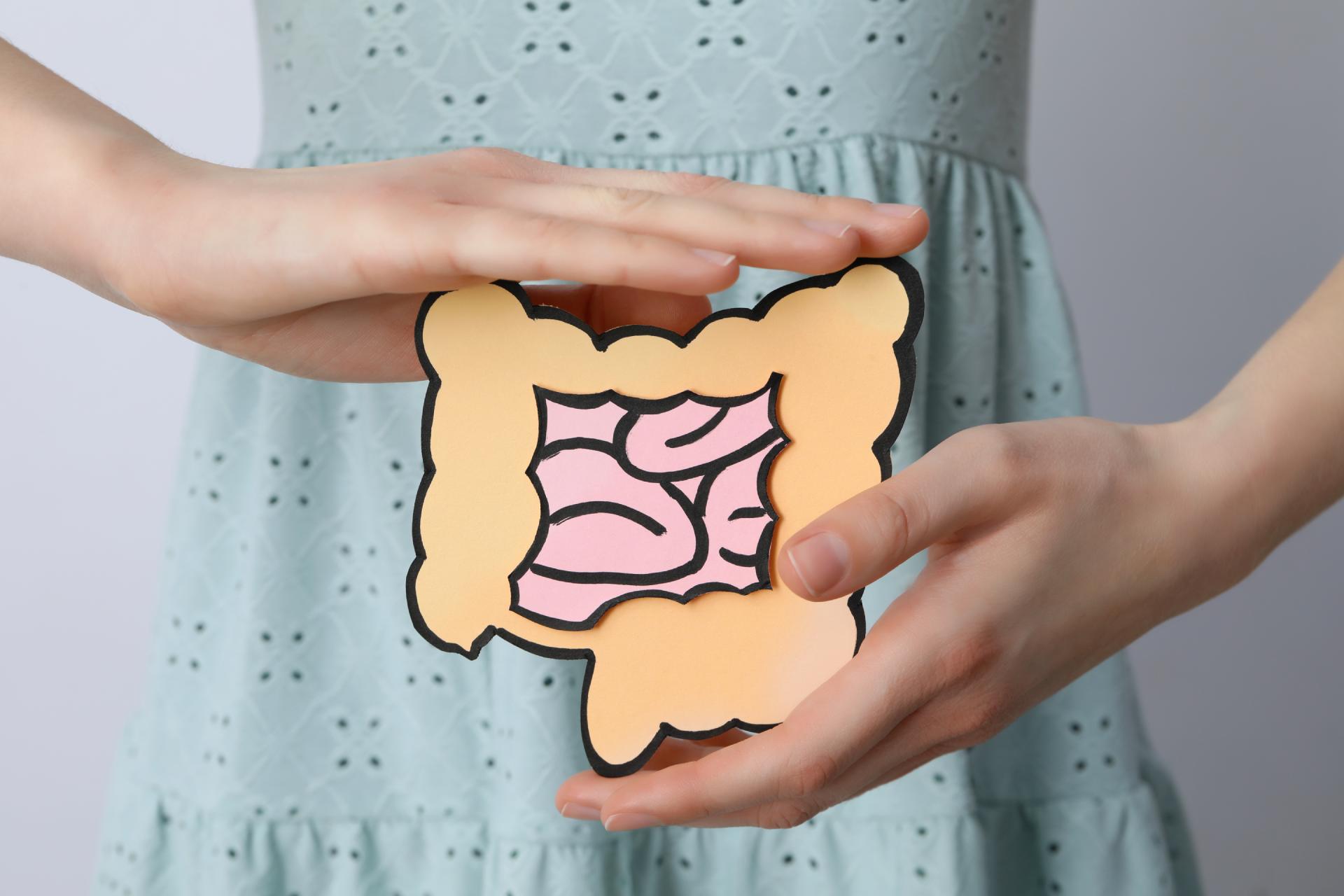
 The connection between gut health and mental well-being is gaining attention, with functional medicine practitioners leading the way. Our gut microbiota, the community of microbes living in our digestive tract, play a crucial role in how we feel. In this article, we’ll explore how fine-tuning the gut can significantly improve your mood and emotional resilience.
Understanding the Gut-Brain Axis
The gut-brain axis is a complex communication network linking the gut and the brain. It involves biochemical signaling between the gut microbiota and the central nervous system, influencing mood and emotional health. This connection is often described as a two-way street, where not only can the brain influence gut function, but gut health can also affect brain function. An unhealthy gut might mean an unhealthy mind, as unsettling as this might seem.
Research suggests that the gut-brain axis plays a pivotal role in emotional health and cognition. This connection is largely facilitated by bacteria in the gut, which produce neurotransmitters like serotonin, commonly referred to as the ‘happy hormone’. Around 90% of this mood-regulating hormone is made in the digestive tract. By understanding this mechanism, we can appreciate why maintaining a healthy gut is crucial for mental health. Functional medicine often emphasizes the importance of this axis in holistic health.
The Role of Gut Microbiota in Mood Regulation
Gut microbes produce neurotransmitters like serotonin and dopamine, which play key roles in mood regulation. Imbalances in your gut microbiota can lead to mood disorders and an altered emotional state. A study highlighted how certain strains of probiotics can alleviate depressive symptoms by modulating the production of neurotransmitters in the brain Garcia-Collin et al., 2020. This emphasizes the potential for targeting gut health to enhance mental resilience.
While we often think of bacteria as harmful, our bodies actually contain more bacterial cells than human cells. The majority of these bacteria reside in the gut microbiota. When this community is thriving, our mood, behavior, and overall mental state tend to be more balanced. Conversely, dysbiosis, or an imbalance in this microbiome, is linked to anxiety, depression, and even autistic spectrum disorders. This makes maintaining a diverse microbiota integral to emotional well-being.
How Diet Impacts Your Gut and Mood
A diverse and balanced diet feeds the good bacteria in your gut, enhancing mood and emotional stability. Eating foods rich in fiber, fermented products, and omega-three fatty acids can positively impact mental health. Studies have shown that people who incorporate these elements into their diet tend to experience lower rates of depression. Why? Because beneficial bacteria feed on these nutrients, producing substances that help reduce inflammation and promote mental clarity Willett and Huen, 2021.
Modern diets often lack the diversity needed to support the microbiome. Processed foods can damage gut health, potentially resulting in irritability and mood fluctuations. By shifting towards whole foods and mindful eating, we provide our gut bacteria the nutrients required to thrive. It’s not only about what we eat but also how we eat-calm, mindful eating promotes better digestion and nutrient absorption, ensuring maximum benefits for both body and mind.
Stress and Its Effects on Gut Health
Chronic stress can negatively affect gut health by altering the composition of the gut microbiota. Managing stress through practices like mindfulness and yoga can improve both gut health and emotional resilience. When you’re stressed, your body produces more cortisol, which can disrupt gut microbial balance and impair digestion. Over time, this can lead to symptoms like bloating, fatigue, and mood swings, impacting your overall quality of life.
Stress reduction techniques, such as meditation, deep breathing, and regular exercise, have shown immense benefits in maintaining gut harmony. Beyond mental health, destressing activities help regulate hormone levels that contribute to inflammation. In essence, by calming your mind, you calm your gut, creating a harmonious cycle where a happier gut fosters a happier you. Functional medicine approaches emphasize such holistic methods in managing stress effectively.
Incorporating Functional Medicine Approaches
Functional medicine offers personalized strategies to enhance gut health. This can involve tailored diets, lifestyle adjustments, and targeted supplements aimed at promoting a healthy microbiota and better mood. The idea is to address the root cause rather than just the symptoms, providing a comprehensive path to wellness. Expert guidance and testing can reveal specific nutritional needs or sensitivities, empowering individuals to optimize their diet for gut and mood health.
Consider probiotics and prebiotics as part of functional medicine’s arsenal. Probiotics introduce beneficial microbes directly into the gut, while prebiotics nourish these microbes. Incorporating them into your routine might offer substantial benefits for mood regulation and stress reduction. These strategies align with the approach of treating the whole body rather than isolated conditions and emphasize the interconnected nature of our bodily systems.
For further information, to schedule an appointment or please contact Enovative Wellness at 602.614.9905 or visit www.EnovativeWellness.com to learn more.
