
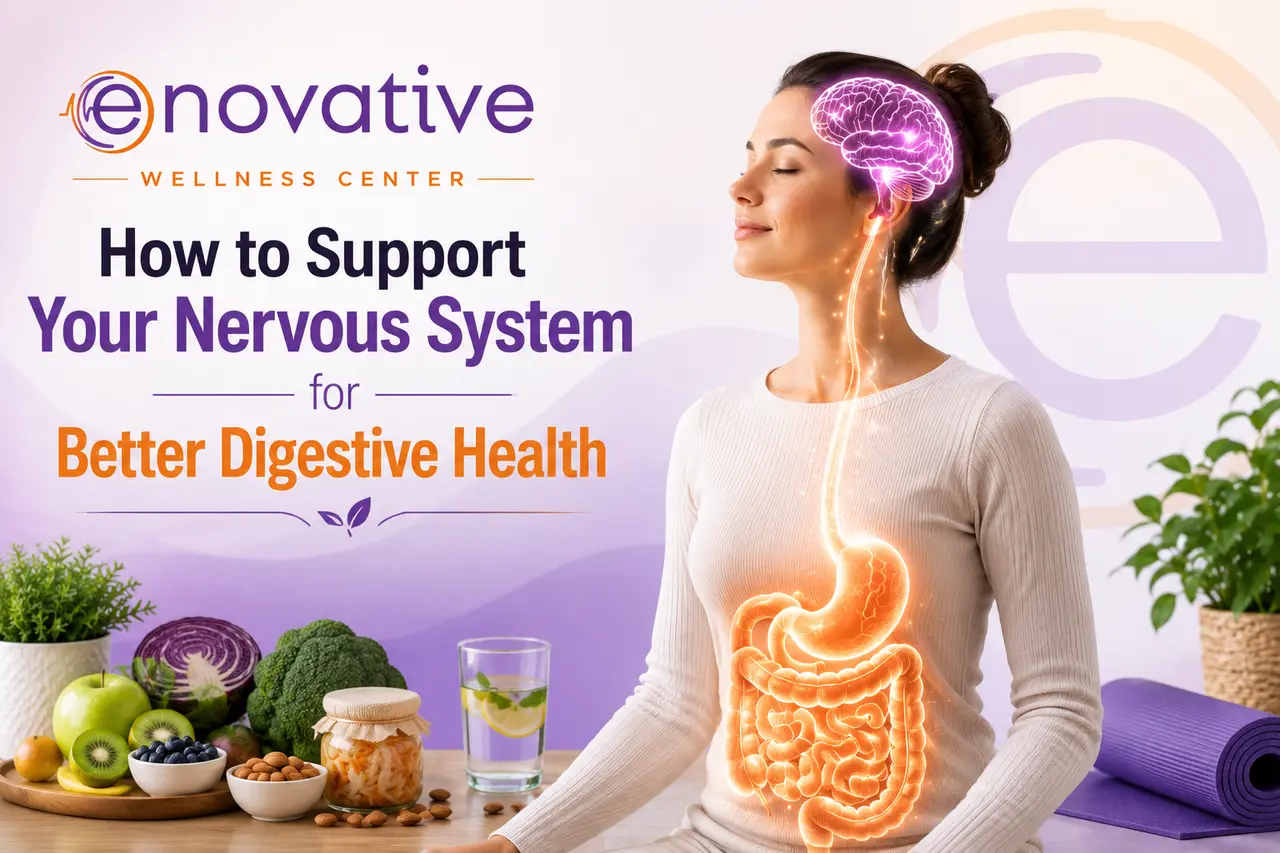
Understanding the connection between your nervous system and digestive health is essential for maintaining overall well-being. Your nervous system plays a critical role in managing the digestive process, and when it’s out of balance, you might experience issues like constipation or indigestion. In this blog, we’ll explore simple, practical ways to support your nervous system to improve your digestive health.
Understanding the Link Between the Nervous System and Digestion
The nervous system, particularly the autonomic nervous system, regulates various digestive functions, including the movement of food through the digestive tract. When this system is disrupted, it can lead to common issues such as constipation. A balanced nervous system ensures smooth digestive processes.
The connection between the nervous system and digestion is profound and sometimes overlooked. Digestive health is not just about diet and physical exercise; it also has a strong neural component. The enteric nervous system, often referred to as the second brain, plays a pivotal role in controlling digestion. This network of neurons not only manages gut activity but also communicates with the central nervous system, showcasing the intricate link between mental health and digestion.
Moreover, neurotransmitters produced in the gut, such as serotonin, highlight the bidirectional communication between your brain and gastrointestinal tract. This explains why emotional states often correlate with digestive symptoms. If you’re feeling stressed or anxious, your stomach might ‘tie itself in knots,’ potentially leading to discomfort or irregular bowel movements. Supporting your nervous system is thus crucial for maintaining robust digestive health.
The Impact of Stress on Digestive Health
Stress can throw your nervous system out of balance, leading to digestive problems. Chronic stress often manifests as physical symptoms including constipation. Learning to manage stress is crucial for maintaining a healthy gut.
One of the most significant effects of stress on the body is its impact on the gut. When you’re stressed, your body goes into ‘fight or flight’ mode, diverting energy away from non-essential functions like digestion. This can slow down gastrointestinal mobility, leading to constipation and other digestive issues. Chronic stress disrupts gut flora balance, another factor contributing to digestive discomfort.
Finding effective ways to manage stress is essential for digestive health. Techniques such as mindfulness, deep breathing, and engaging in hobbies that relax you can help reduce the physical manifestation of stress. By managing stress, you’re not only protecting your mental health but also ensuring your digestive system works as nature intended.
Relaxation Techniques to Soothe the Nervous System
Incorporating relaxation practices like deep breathing, meditation, or yoga can help calm the nervous system and promote better digestion. These practices reduce stress and encourage the body to function more efficiently.
Yoga, in particular, combines physical movement, breathing exercises, and meditative practices, making it a powerful tool for reducing stress and enhancing digestive health. Yoga poses like the cat-cow stretch, child’s pose, and seated forward bend all promote relaxation and enhance gut motility.
Deep breathing exercises can also be beneficial. Engaging in slow, deep breaths reduces the heart rate and helps calm an overactive nervous system. This simple practice can be done anywhere and is known for its immediate calming effects. Engaging in such practices on a daily basis can create long-term improvements in both nervous system and digestive health.
Nutritional Support for Nervous System and Digestive Health
A balanced diet rich in fiber, healthy fats, and probiotics provides essential nutrients that support both the nervous system and digestive tract. Foods like leafy greens, nuts, and fermented products can aid in maintaining this balance.
Foods high in omega-3 fatty acids such as salmon, walnuts, and flaxseeds can help reduce inflammation and support nervous system health. Additionally, incorporating a variety of colorful fruits and vegetables ensures you’re getting a range of vitamins and minerals that benefit overall health.
Probiotics, found in yogurt, kefir, and other fermented products, play a crucial role in maintaining a healthy gut microbiota, which in turn supports a well-functioning digestive system. A healthy gut microbiome also assists in neurotransmitter production, reinforcing the connection between a well-nourished body and a balanced mind.
The Role of Physical Activity in Digestive and Nervous System Wellness
Regular exercise stimulates the digestive tract and helps regulate the nervous system. Activities like walking, stretching, or swimming can enhance gut motility and reduce stress levels, promoting better digestive health.
Exercise increases blood flow to the digestive organs, facilitating the digestive process. It also stimulates the production of hormones that improve mood and reduce stress, which beneficially affects both the nervous and digestive systems.
Incorporating a mix of aerobic activities and strength training can provide comprehensive benefits. Activities like swimming offer low-impact exercise that’s gentle on the body while promoting effective digestion. Strength training, on the other hand, helps in building core strength, which supports proper posture and reduces the risk of discomfort related to digestive health.
FAQs: Nervous System and Digestive Health
1. How does the nervous system affect digestion?
The nervous system helps regulate digestion, including gut movement and the passage of food through the digestive tract. An imbalance caused by stress may contribute to digestive issues such as constipation and indigestion.
2. Can stress cause constipation?
Yes. Chronic stress can affect gastrointestinal movement and may slow digestion, potentially contributing to constipation and other digestive discomfort.
3. What are the best ways to support the nervous system for better digestion?
Practices such as deep breathing, meditation, yoga, regular physical activity, stress management, and a balanced diet rich in fiber and nutrient-dense foods can support nervous system and digestive health.
4. Can exercise improve digestive health?
Yes. Regular activities such as walking, swimming, stretching, and strength training can support gut motility, reduce stress, and promote overall digestive wellness.
Achieving Digestive Harmony Through Nervous System Support
By understanding and supporting the intricate balance between your nervous system and digestive health, you can make small but significant changes to improve your overall well-being. Incorporate relaxation practices, maintain a healthy diet, engage in regular physical activity, and manage stress levels for a happier gut and a more balanced life. At Enovative Wellness Center, our experienced naturopathic physicians in Phoenix offer personalized treatment plans that cater to your specific needs.
Contact us at (602) 614-9905 or visit Enovative Wellness Center today to schedule a consultation and start rejuvenating your life.
