
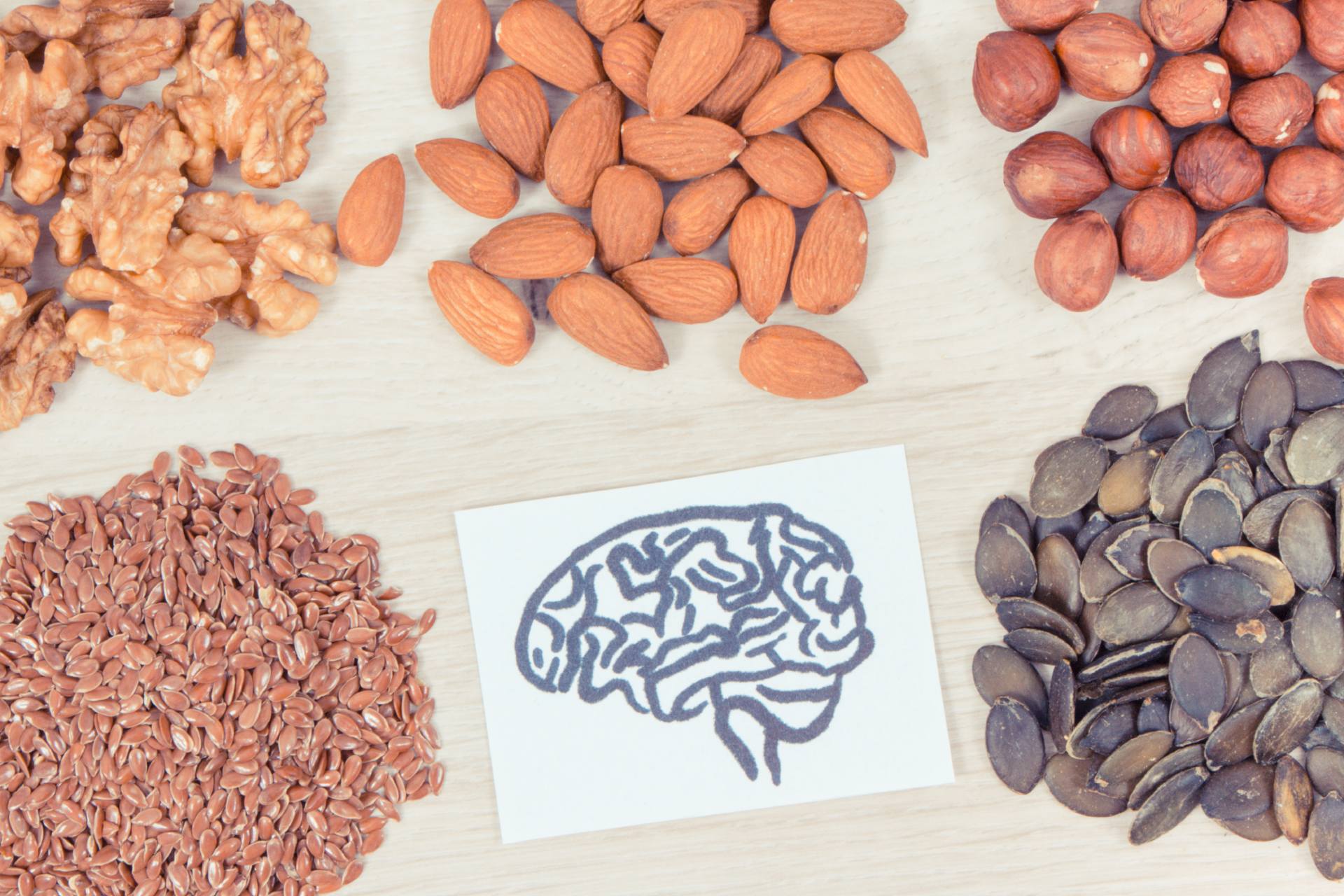
As we grow older, maintaining brain health becomes increasingly important. Recent research in functional medicine suggests that a diverse fiber intake might play a crucial role in sustaining cognitive function and enhancing brain resilience. Join me as we explore how different types of fibers contribute to keeping your mind sharp and healthy through the years.
The Connection Between Fiber and Brain Health
Fiber is not just beneficial for your digestive system; it can also have a profound impact on brain health. Understanding this connection is the first step to harnessing the power of fiber diversity for cognitive resilience. Fiber aids in reducing inflammation throughout the body, a known factor influencing cognitive decline and neurodegenerative diseases. Furthermore, the gut-brain axis is a crucial pathway, linking the state of our gastrointestinal health directly with that of our mental faculties. Many studies reveal how a healthy and diverse microbiome can lead to reduced inflammation and better mental health outcomes. By diversifying our fiber sources, we can support these microorganisms, ultimately fostering an environment in our bodies that enhances brain health and resilience.
Our daily food choices can have a lasting impact on our cognitive function. For instance, specific types of fiber help produce short-chain fatty acids (SCFAs), which are beneficial metabolites that play a key role in nourishing the brain. These SCFAs emerge from the fermentation of fiber in the gut and have been shown to provide neuroprotection. Research suggests that a diet rich in diverse fibers can increase SCFA production, thereby reinforcing brain health.
The Role of Soluble Fiber in Brain Resilience
Soluble fiber helps in regulating blood sugar levels and reducing inflammation, which are crucial factors in maintaining brain health. Discover how integrating more soluble fiber into your diet can help bolster your brain’s defenses. This type of fiber dissolves in water, forming a gel-like substance that slows down digestion, helping to maintain stable blood glucose levels. Consistent blood sugar levels are vital for cognitive function, as spikes and crashes can affect mood and focus. Soluble fiber is abundant in foods like oats, apples, and beans.
In addition to stabilizing blood sugar, soluble fiber also contributes to lowering cholesterol levels, which is significant for heart and brain health. The heart-brain connection means that anything beneficial for your heart typically benefits your brain as well. Consuming a diet high in soluble fiber can be an extra defense against cognitive decline, particularly as you age.
Harnessing the Benefits of Insoluble Fiber
Insoluble fiber maintains digestive health and promotes regularity, which can indirectly support brain function. Learn about the sources of insoluble fiber and how they contribute to overall well-being. Unlike soluble fiber, insoluble fiber does not dissolve in water. Instead, it adds bulk to the stool and helps food pass more quickly through the stomach and intestines. This type of fiber is found in whole grains, nuts, and vegetables like cauliflower and potatoes.
When digestion runs smoothly, it minimizes discomfort and ensures that the body absorbs essential nutrients effectively. An efficient digestive system supports a balanced microbiome, which in turn influences emotional and cognitive health through the gut-brain axis. Consequently, maintaining regularity and a healthy gut can play a pivotal role in supporting cognitive longevity as you age.
The Influence of Prebiotic Fibers
Prebiotic fibers serve as food for beneficial gut bacteria, which can impact brain health through the gut-brain axis. Explore the ways in which prebiotic fibers support cognitive function and resilience. Found in foods like garlic, onions, and bananas, prebiotics are indigestible ingredients that prompt the growth and activity of beneficial bacteria in the gut.
Enhancing the population of these good bacteria has been associated with improvements in mood and cognitive function. Research shows that maintaining a rich gut microbiome can reduce stress hormone levels and influence the production of neurotransmitters that affect mood. Thus, incorporating prebiotic-rich foods into your diet can foster a thriving environment that enhances both your gut and brain health.
Integrating a Variety of Fibers into Your Diet
Discover practical tips for incorporating a range of fibers into your meals, ensuring you get the full spectrum of benefits they offer for both digestion and brain health. A balanced diet that includes fruits, vegetables, whole grains, and legumes offers an array of fibers necessary for diverse gut microbiota.
Experiment with fiber sources by trying different whole grains such as quinoa and barley, or introducing more legumes into your weekly meals. Snack on a variety of fruits and nuts, which will diversify your fiber intake. By doing so, you may also find improvements in other areas of your health, including enhanced energy levels and improved mood. Ultimately, integrating a variety of fibers in your diet is a delicious and effective strategy to enhance brain vitality and resilience throughout the aging process.
For further information, to schedule an appointment or please contact Enovative Wellness at 602.614.9905 or visit www.EnovativeWellness.com to learn more.
