
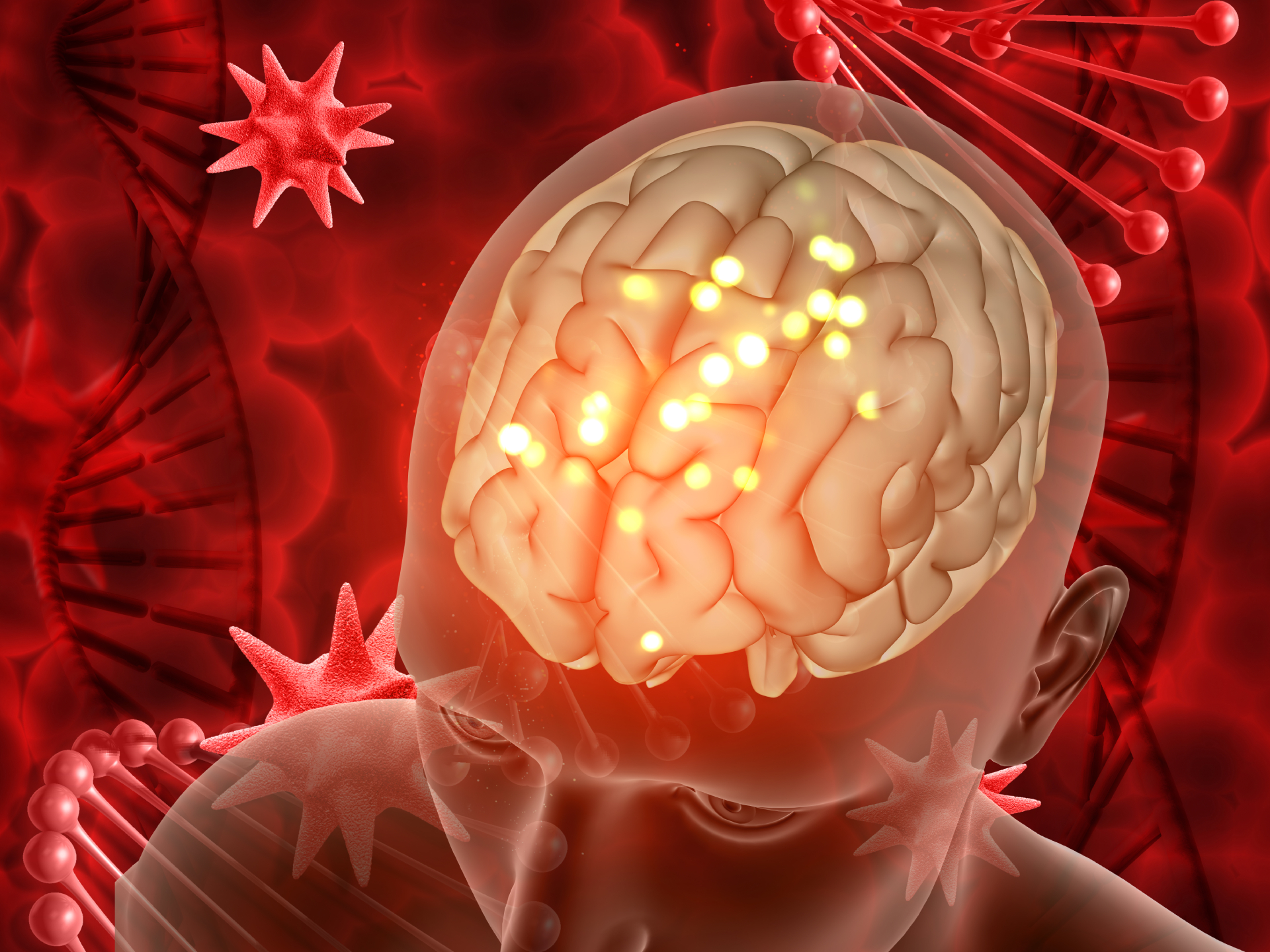
Our brains and guts are more connected than you might think. In recent years, researchers have uncovered fascinating links between the health of our digestive systems and the strength of our cognitive functions as we age. This connection hinges on two crucial components: the blood-brain barrier and gut health. Understanding this interplay is key in the realm of functional medicine and can provide valuable insights into maintaining our cognitive abilities later in life. Let’s dive into how these elements work together and what you can do to protect your brain.
Exploring the Connection Between the Brain and Gut
The brain and gut communicate through a complex network known as the gut-brain axis. This bidirectional communication influences not only digestion but also mood, cognition, and overall health. Understanding how this system operates forms the foundation of how gut health impacts brain function.
One fascinating aspect of this connection is how the gut microbiome, the collection of microorganisms living in our intestines, interacts with our brain. Studies have shown that a diverse gut microbiota can foster mental health by producing neurotransmitters like serotonin, which influence mood and cognitive processes. This symbiotic relationship between the gut and brain illustrates the importance of gut diversity in maintaining mental wellness.
Moreover, our gut health can affect the brain’s response to stress. The gut-brain axis plays a role in regulating stress hormones, which means that an imbalanced gut could translate to heightened stress levels. This highlights the importance of maintaining both physical and mental health for optimal brain function as we age.
Function and Importance of the Blood-Brain Barrier
The blood-brain barrier acts as the brain’s security system, controlling the substances that can pass from the bloodstream into the brain. This vital defense system keeps harmful substances out while allowing essential nutrients in, playing a critical role in maintaining brain health throughout our lives.
Recent research underscores the importance of this barrier in preventing inflammation and neurodegenerative diseases. When the blood-brain barrier is compromised, it can lead to a cascade of negative effects, including increased inflammation and vulnerability to pathogens. This underscores why protecting this barrier is essential for lowering the risks associated with cognitive decline during aging.
Interestingly, emerging studies suggest that the integrity of the blood-brain barrier can be strengthened through diet and lifestyle. For example, the inclusion of omega-3 fatty acids, a nutrient found in fatty fish, may help bolster the barrier’s resilience, suggesting that what we eat significantly impacts not just our gut health, but also our brain’s protective mechanisms.
Impact of Gut Health on Cognitive Aging
An unhealthy gut can compromise the blood-brain barrier, leading to increased inflammation and potentially contributing to cognitive decline. Functional medicine emphasizes the correlation between gut health and preventing diseases like Alzheimer’s, highlighting the importance of maintaining a healthy gut microbiome.
Moreover, dysbiosis, or an imbalance in the gut bacteria, is associated with a range of mental health issues including anxiety and depression. Emerging research suggests that probiotics can play a significant role in reversing dysbiosis. By incorporating probiotics into your diet through supplements or naturally fermented foods, you can help maintain a balanced gut microbiome, which in turn supports cognitive health and resilience against cognitive aging.
Inflammation is another critical factor linking gut health to cognitive decline. Chronic inflammation, often the result of poor gut health, can disrupt the normal functioning of the blood-brain barrier, accelerating the onset of neurodegenerative diseases. This is why managing inflammation through diet and lifestyle is vital for sustaining cognitive function as we grow older.
Nutritional Tips for a Healthy Gut and Brain
Incorporating foods rich in fiber, probiotics, and omega-3 fatty acids can support gut and brain health. Functional medicine practitioners often recommend diets that minimize processed foods and emphasize whole, nutrient-dense options to enhance mental clarity and cognitive function.
Fiber is particularly vital because it serves as food for healthy gut bacteria, which are crucial for maintaining a balanced microbiome. Foods like vegetables, fruits, and whole grains are excellent sources of fiber that can help nourish your gut. Additionally, omega-3 fatty acids not only support brain health by reducing inflammation but also play a significant role in maintaining structural integrity within the brain.
Probiotic-rich foods, such as yogurt, kefir, and sauerkraut, are also beneficial. These foods introduce beneficial bacteria into your gut, helping to restore balance and support cognitive health. As part of a holistic approach, these dietary changes can make a meaningful impact on both your gut and brain health as you age.
Lifestyle Changes to Support Cognitive Health
Besides diet, lifestyle factors such as regular exercise, stress management, and adequate sleep play significant roles in optimizing the gut-brain connection. Embracing these holistic strategies can lead to improved cognitive aging and overall well-being.
Exercise is a powerful tool in maintaining a healthy brain and gut. It promotes the release of brain-derived neurotrophic factor (BDNF), a protein linked to neuroprotection and recovery. Furthermore, physical activity stimulates the production of certain gut bacteria that can enhance the function of the gut-brain axis, showcasing the intertwined benefits of regular movement.
Another crucial aspect is managing stress through practices such as mindfulness, meditation, or yoga. These activities can modulate stress responses and reduce systemic inflammation, thereby protecting both the gut and brain from the detrimental effects of chronic stress. Prioritizing sleep is also vital, as poor sleep is linked to both gastrointestinal issues and cognitive decline. A consistent sleep schedule can, thereby, fortify the bond between gut health and mental acuity.
For further information, to schedule an appointment or please contact Enovative Wellness at 602.614.9905 or visit www.EnovativeWellness.com to learn more.
