
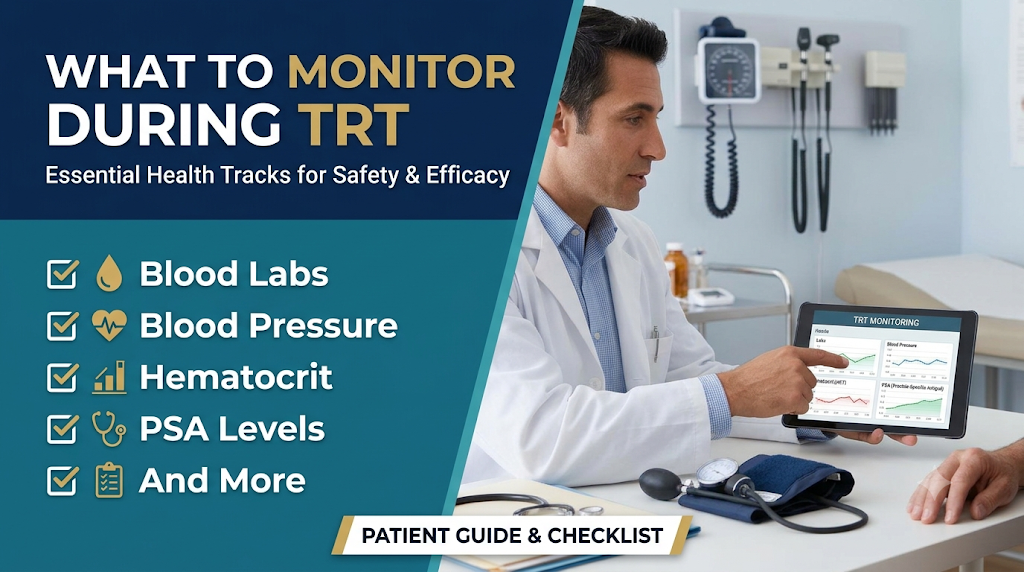
Starting testosterone replacement therapy can be an important decision for men with clinically diagnosed testosterone deficiency. Treatment may improve sexual function, energy, body composition, and certain aspects of physical health, but getting started is only one part of the process. Many men focus almost entirely on their testosterone number: whether it has gone up and how quickly they will notice a difference. A testosterone result alone, however, cannot establish whether treatment is appropriate, effective, or being tolerated safely.
Testosterone influences red blood cell production, blood pressure, prostate tissue, and several metabolic processes, and those effects can develop even when a man feels well. That is why regular laboratory testing and medical follow-up are not optional extras but part of the treatment itself. At Enovative Wellness in Phoenix, we treat TRT for men as an ongoing medical relationship rather than a prescription that stays unchanged indefinitely. Understanding what should be monitored, why each measurement matters, and how results shape treatment decisions helps men take an active role in their own care.
Why Monitoring Matters During Testosterone Replacement Therapy
Testosterone affects multiple systems throughout the body. Beyond its role in sexual function and in maintaining muscle and bone, it stimulates red blood cell production and interacts with cardiovascular and metabolic health. When testosterone is prescribed, the goal is to restore levels to a physiological range that is appropriate for the individual while resolving the symptoms that prompted treatment. Two men on similar regimens can respond very differently, because absorption, body composition, underlying conditions, and the formulation itself all influence both the testosterone concentration achieved and the likelihood of side effects.
Regular monitoring is how a physician confirms that treatment is producing meaningful benefit without introducing avoidable risk. The Endocrine Society’s clinical practice guideline recommends a standardized approach that evaluates symptoms, adherence, adverse effects, serum testosterone, hematocrit, and prostate health when appropriate. The underlying principle is that successful TRT is measured by more than a single laboratory value.
Establishing a Baseline Before Starting TRT
Appropriate monitoring begins before the first dose. A diagnosis of testosterone deficiency generally requires compatible symptoms together with consistently low testosterone confirmed on two separate early-morning blood draws. Depending on the results, additional testing may distinguish a problem in the testicles from one involving the pituitary gland or hypothalamus, which changes the treatment conversation considerably.
The baseline visit also establishes the reference points everything later is compared against. A complete blood count records hemoglobin and hematocrit. Blood pressure is measured to identify existing hypertension. Prostate assessment, including PSA when indicated, identifies concerns that should be addressed before treatment rather than discovered during it. The physician should also review cardiovascular history, sleep apnea, current medications, and plans for future fertility, since testosterone therapy suppresses sperm production and is generally inappropriate for men actively trying to conceive. Blood glucose, hemoglobin A1C, and cholesterol may be added based on overall health. Together these findings determine whether TRT is suitable and give every later result its context.
Monitoring Testosterone Levels and Treatment Response
One primary goal of follow-up testing is confirming that testosterone remains within the intended treatment range. The American Urological Association recommends targeting a healthy physiological range rather than pushing levels unusually high, since supraphysiologic concentrations raise the likelihood of side effects without adding benefit. Where within that range a given man does best is an individual question, and it is answered by symptoms and safety markers together, not by the number alone.
Timing matters because testosterone concentrations fluctuate with the delivery method. With intramuscular injections, levels peak after the dose and decline before the next one, so a sample drawn shortly after an injection tells a different story than one drawn at the end of the interval. Topical creams and gels have their own absorption patterns, and pellets release gradually over months with their own monitoring considerations. Results are only meaningful when interpreted against the formulation, the schedule, and the timing of the most recent dose. Symptoms remain central: if levels normalize but fatigue, low libido, or other concerns do not improve, simply raising the dose is rarely the right answer. Other contributors should be investigated and the continued value of treatment reconsidered.
Hematocrit and Hemoglobin Monitoring During TRT
Hematocrit is among the most important safety measurements in testosterone therapy. It represents the percentage of blood volume made up of red blood cells, and hemoglobin is the oxygen-carrying protein within them. Testosterone stimulates red blood cell production, which can help men with anemia related to low testosterone but can also push hematocrit too high. That condition, called erythrocytosis, thickens the blood and raises concern about complications including clots.
Clinical guidelines recommend checking hematocrit before treatment and periodically afterward. A hematocrit above 54 percent during therapy generally calls for prompt action, which may mean temporarily withholding treatment, reducing the dose, or changing the formulation while contributing factors are evaluated. Sleep apnea, smoking, lung disease, and other conditions that lower oxygen levels can drive hematocrit up independently of testosterone, so an elevated result should prompt a search for the cause rather than reflexive repeat blood donation. Caught early, these changes are manageable; the point of monitoring is to catch them early.
Blood Pressure and Cardiovascular Health During Testosterone Therapy
Blood pressure deserves particular attention because testosterone products can raise it in some patients. In February 2025, the FDA announced class-wide labeling changes after reviewing the TRAVERSE cardiovascular safety trial and studies of blood pressure during treatment. The agency removed language from boxed warnings about increased major adverse cardiovascular events while requiring new warnings about increased blood pressure. The TRAVERSE trial did not find a significant increase in major cardiovascular events among appropriately selected men on testosterone gel compared with placebo, but that finding does not establish that every formulation is risk-free or that every man carries the same risk.
Blood pressure should be measured before treatment and at every follow-up, with home readings added when clinically useful. Cholesterol, blood glucose, body weight, and other cardiovascular risk factors deserve attention based on history. Men with uncontrolled hypertension, recent cardiovascular events, or significant heart disease require especially careful evaluation before starting or continuing therapy. TRT does not replace the established foundations of cardiovascular health, including appropriate medical treatment, physical activity, nutrition, and smoking cessation.
PSA Monitoring and Prostate Health
Prostate-specific antigen is a protein produced by prostate tissue, and measuring it helps identify changes that warrant a closer look. Testosterone therapy may cause a modest PSA rise, particularly early in treatment, but a rising PSA does not by itself indicate prostate cancer. The American Urological Association recommends a baseline PSA in men over 40 before starting therapy, with ongoing testing guided by age, history, prostate cancer risk, and shared decision-making. The Endocrine Society recommends urological evaluation when, during the first year of treatment, a confirmed PSA increase exceeds 1.4 ng/mL above baseline or a confirmed PSA exceeds 4.0 ng/mL. These thresholds are triggers for further assessment, not diagnoses.
Urinary symptoms matter as well. Difficulty starting urination, a weak stream, frequent nighttime urination, or incomplete emptying may point to prostate enlargement or another urinary condition. Monitoring allows concerning changes to be investigated rather than assumed to be harmless or assumed to be caused by testosterone.
Additional Health Changes That May Require Monitoring
Not every patient needs the same expanded testing; some measurements become relevant only when symptoms or history suggest a specific concern. Testosterone can convert to estradiol, a form of estrogen, and estradiol testing becomes appropriate when a man develops breast tenderness or enlargement, fluid retention, or mood changes that suggest an imbalance, though routine estrogen testing is not necessary for everyone. Sleep quality should be reviewed at each visit, since untreated severe obstructive sleep apnea bears directly on whether testosterone treatment is appropriate; new or worsening snoring, witnessed pauses in breathing, or persistent daytime sleepiness warrant evaluation. The physician should also ask about acne, mood, and other potential adverse effects.
Fertility deserves attention even when a patient initially reports no plans for children. External testosterone suppresses the hormonal signals that drive sperm production, sometimes substantially, and priorities change over time. Revisiting the question periodically keeps options open rather than closing them by default.
How Often TRT Monitoring Should Be Performed
Monitoring frequency depends on the formulation, baseline results, medical history, and response to treatment. A common approach reassesses within about three months of starting therapy, with further evaluations around six and twelve months. Those visits review symptoms, testosterone levels, hematocrit, blood pressure, and adverse effects, with prostate monitoring incorporated according to individual risk. After the first year, stable patients commonly follow up every six to twelve months, with more frequent testing whenever the dose or formulation changes or an abnormal finding appears.
Consider a hypothetical 48-year-old who begins TRT after evaluation confirms testosterone deficiency. At his first follow-up his testosterone is in the intended range and his symptoms have improved, but his hematocrit has risen substantially. Even though he feels better, that result deserves attention; his physician may reassess the dose, the delivery method, and possible contributing conditions such as undiagnosed sleep apnea before deciding the safest next step. This example does not describe an actual patient, but it illustrates why treatment success has to account for both symptom improvement and objective health measurements.
A Personalized Approach to Testosterone Therapy in Phoenix
Testosterone deficiency rarely exists in isolation. It often coexists with excess body fat, sleep disorders, metabolic dysfunction, and medication-related hormonal changes, and each of those can influence both the diagnosis and the response to treatment. At Enovative Wellness, our naturopathic physicians approach TRT within the broader context of men’s hormone optimization and functional medicine, evaluating symptoms, history, laboratory findings, lifestyle, and relevant conditions together rather than treating a testosterone value on its own.
An individualized approach also recognizes when symptoms have causes unrelated to testosterone. Persistent fatigue in a man whose levels are already in range may warrant assessment of sleep, thyroid function, medication effects, or the accumulated strain that causes high performers to lose their edge, rather than an automatic dose increase. The objective is medically appropriate hormone care informed by clinical evidence and by each patient’s circumstances.
Frequently Asked Questions About TRT Monitoring
How often should testosterone levels be checked during TRT?
Testosterone is typically reassessed within the first few months after treatment begins, with timing based on the formulation and dosing schedule. Once levels and symptoms are stable, testing is commonly performed every six to twelve months, and dose changes or unexpected results may call for earlier follow-up.
What happens if hematocrit becomes too high during TRT?
A significantly elevated hematocrit requires medical assessment. When hematocrit exceeds 54 percent, clinical guidelines generally recommend withholding or adjusting testosterone therapy while evaluating possible causes such as sleep apnea or smoking. Treatment decisions should be made by the prescribing provider.
Does testosterone replacement therapy increase PSA?
TRT may cause a modest PSA increase, particularly after treatment begins. A substantial or persistent elevation requires investigation, but it does not automatically indicate prostate cancer. Monitoring should reflect individual risk factors and established prostate screening recommendations.
Should blood pressure be checked even if testosterone levels are normal?
Yes. Testosterone products may raise blood pressure even when testosterone concentrations are within the intended treatment range. Blood pressure monitoring is an important part of assessing treatment safety, especially for men with existing cardiovascular risk factors.
Are regular blood tests necessary if I feel better on TRT?
Yes. Some treatment-related changes, including elevated hematocrit or blood pressure, can develop without noticeable symptoms. Regular follow-up identifies potential problems early and confirms that treatment continues to offer an appropriate balance of benefits and risks.
Long-Term TRT Care Requires More Than a Normal Testosterone Level
Testosterone replacement therapy is not simply about raising a hormone level. It is an ongoing treatment that requires an accurate diagnosis, careful monitoring, and periodic reassessment of benefits and risks. Testosterone measurements guide dosing; hematocrit, blood pressure, and prostate evaluation guard safety; and symptoms, sleep, cardiovascular health, and individual circumstances complete the picture. For men on TRT, regular monitoring is the opportunity to catch changes early and make informed decisions about continuing or adjusting treatment, balancing how they feel against their long-term health rather than fixating on a single number.
If you are considering TRT, or are already receiving testosterone therapy and have questions about your results, treatment response, or monitoring schedule, a comprehensive evaluation can clarify your options. Dr. Greg Jones, NMD, ABAAHP and the Enovative Wellness team provide personalized testosterone replacement therapy and men’s hormone health care for patients in Phoenix, Scottsdale, Paradise Valley, and surrounding Arizona communities, evaluating hormone levels alongside the health markers that keep treatment safe. Schedule a consultation to discuss individualized testosterone therapy, ongoing monitoring, and long-term men’s health.
Call us at (602) 614-9905 or visit www.EnovativeWellness.com to learn more.
