
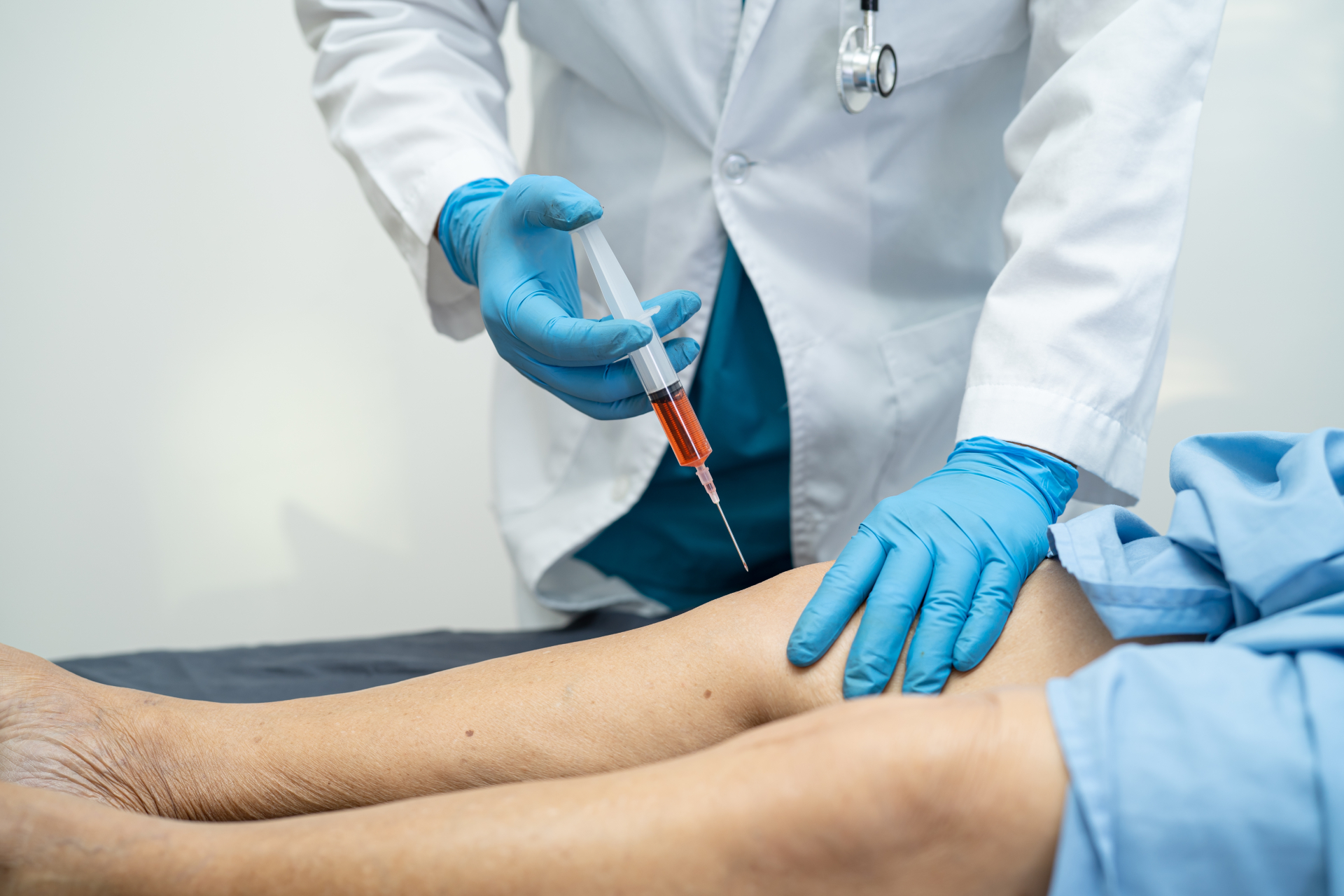
 In the world of sports, maintaining peak performance while managing injuries is a constant challenge. Over recent years, regenerative therapies have emerged as a game-changer for athletes, promising quicker recovery and enhanced performance. Let’s explore why athletes are increasingly turning to these innovative solutions in sports medicine.
The Rise of Stem Cell Therapy
Stem cell therapy has gained popularity among athletes for its potential to repair and regenerate damaged tissues. Harnessing the body’s natural healing abilities, stem cells are used to promote faster recovery from injuries, offering athletes a beacon of hope in what was once considered a long and arduous healing journey. This therapy involves the extraction and use of an athlete’s own stem cells, typically from bone marrow or fat tissue, to repair muscles, ligaments, and tendons. This personalized treatment leverages the power of the athlete’s biology to promote natural recovery, minimizing the risk of adverse reactions.
Athletes, especially those involved in high-impact sports, often face recurring injuries. The appeal of stem cell therapy lies in its ability to potentially reduce recovery time and improve the quality of healing. Professional athletes are quickly adapting this technique, ushering in a new era of targeted healing in sports recovery. The growing body of research backing this therapy further cements its place in modern sports medicine, and with ongoing advancements, the horizon for stem cell therapy appears promising.
Platelet-Rich Plasma: A Natural Booster
Platelet-rich plasma (PRP) therapy involves using the athlete’s own blood to promote healing. By injecting concentrated platelets directly into injured areas, it stimulates the body’s healing process, making it a preferred choice for many seeking natural and effective recovery options. PRP therapy is especially favored by athletes for its role in enhancing tissue regeneration, resolving injuries quicker and more effectively than traditional methods. Its applications range from tendon tears to muscle strains, offering a non-surgical solution to getting back in the game efficiently.
What sets PRP apart is its minimally invasive nature, reducing the risk of complications often associated with surgical interventions. Athletes appreciate the swiftness of the procedure and the reduced downtime, which aligns perfectly with their fast-paced, competitive life. The therapy’s popularity is a testament to its efficacy, as more and more athletes report reduced pain and quicker recovery times.
Moreover, with many studies supporting its effectiveness in treating sports injuries, PRP therapy represents a shift towards more holistic and patient-centric care in sports medicine. As the saying goes, ‘prevention is better than cure.’ PRP not only heals but also strengthens, providing athletes with a solid foundation to prevent future injuries.
The Magic of Growth Factors
Growth factors are proteins that play a crucial role in the body’s healing process. Athletes utilize therapies enriched with these proteins to enhance tissue repair and reduce recovery times, getting them back to their sport faster and stronger. These proteins, naturally found in the body, are pivotal in coordinating cellular activities like cell proliferation and tissue regeneration, making them indispensable in accelerating recovery.
When used in sports medicine, growth factors are often applied in tandem with other regenerative techniques like PRP and stem cell therapy to potentiate their benefits. This synergy not only facilitates the healing of acute injuries but also aids in the management of chronic conditions that accumulate over an athlete’s career.
As research continues to unravel the complexities of growth factors, their utility in sports medicine keeps expanding. They’re increasingly seen as a therapeutic bridge, integrating biological and technological advancements to tailor recovery modalities more closely to the needs and dynamics of individual athletes.
Why Athletes Favor Prolotherapy
Prolotherapy is a treatment that involves injecting a natural irritant into the soft tissue of an injured joint. This stimulates the body’s inflammatory response and promotes healing. Athletes opt for prolotherapy to strengthen joints and relieve chronic pain, allowing them to perform without limitations. By specifically targeting ligaments and tendons, prolotherapy provides a specific approach that appeals especially to athletes suffering from overuse injuries.
For many athletes, the challenge with traditional pain management approaches is their focus on symptoms rather than the source of pain. Prolotherapy directly addresses this gap, reinforcing the body’s natural ability to heal itself by promoting the growth of new tissues in damaged areas. While the concept of deliberately inducing inflammation may seem counterintuitive, this short-term response initiates long-term healing, a prospect that appeals to many in the athletic community.
The ease of application and effectiveness of prolotherapy means athletes can integrate it seamlessly into their recovery regimen without significant disruption to their training schedules. With a growing body of evidence backing its efficacy, it’s easy to see why so many athletes are embracing this pragmatic approach to sports medicine.
Embracing the Future of Regeneration in Sports
The future of sports medicine is undeniably leaning towards regenerative therapies. With ongoing research and technological advancements, these treatments are becoming more accessible and effective, paving the way for a new era in athlete care and performance enhancement. This evolving landscape promises not only to improve the longevity of sporting careers but also to elevate the overall standards of athlete management.
As understanding and interest in regenerative medicine continue to grow, so does the potential to redefine how injuries are treated and prevented. This isn’t just about faster recovery; it’s about improving the quality of life and performance for athletes through innovative medical solutions. Practices that were once considered cutting-edge are becoming standardized, making it easier for athletes at all levels to benefit from these advancements.
The integration of regenerative therapies into regular sports medicine practice heralds progress beyond conventional treatments, offering hope of healthier, more resilient athletes. It invites sports professionals and enthusiasts alike to rethink traditional injury management and embrace a forward-thinking approach that could potentially revolutionize the way we experience sports.
For further information to schedule an appointment please contact Enovative Wellness at 602.614.9905 or visit www.EnovativeWellness.com to learn more.
