
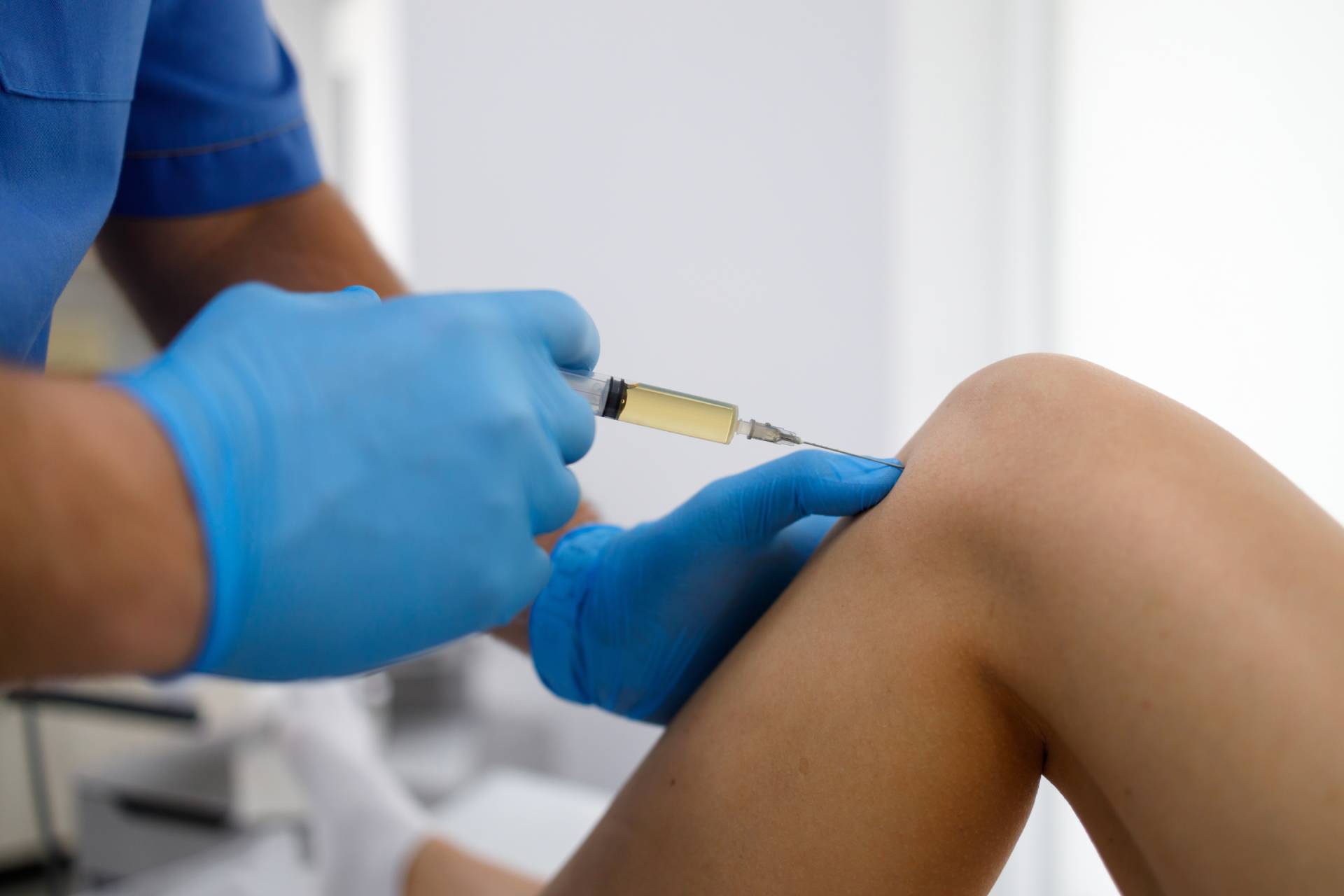
 In the world of sports, where agility and strength are key, athletes often face challenges related to joint health. Knees, ankles, and hips can easily fall prey to wear and tear, leading many to seek strong natural alternatives for healing. Regenerative therapy is emerging as a game-changer in this arena, offering hope for a quick recovery and long-lasting results. Join us as we explore how this innovative therapy is transforming recovery for athletes.
Understanding Regenerative Therapy
Regenerative therapy is a cutting-edge field aimed at restoring function by harnessing the body’s natural healing abilities. It involves various techniques that encourage tissue repair and regeneration, making it a favorable option for athletes seeking holistic recovery avenues.
Central to regenerative therapy is its focus on cellular-level healing. By employing strategies like growth factor injections and tissue engineering, regenerative therapy offers promising prospects not only for healing but also for strengthening joints, tissues, and muscles. This approach goes beyond traditional methods, fostering an environment conducive to optimal recovery and performance. The therapy’s potential for non-invasive treatment options is particularly appealing to athletes who are eager to return to their sports without long recovery times.
Healing Knee Injuries Naturally for Athletes
Knee injuries are common among athletes, but regenerative therapy offers promising solutions. By using methods like platelet-rich plasma (PRP) and stem cell therapy, athletes can experience reduced inflammation and accelerated healing without the need for invasive surgery.
Innovations in regenerative therapy have made it possible to address specific types of knee injuries such as meniscus tears and anterior cruciate ligament (ACL) strains more effectively. PRP therapy involves concentrating platelets from the athlete’s own blood and injecting them into the injured area, stimulating tissue repair and reducing recovery time. Meanwhile, stem cell therapy focuses on injecting healthy cells into damaged areas, promoting tissue regeneration and potentially restoring the affected joint’s full function. These techniques provide a tailored and efficient approach to knee recovery, maintaining the athlete’s form and function.
Revolutionizing Ankle Recovery
Ankle injuries can severely impact an athlete’s mobility. Regenerative techniques not only help in quick recovery but also strengthen the ankle, reducing the risk of future injuries. Techniques like prolotherapy can stimulate tendon and ligament repair, enhancing overall joint stability.
Athletes often face recurring ankle issues due to irregular movement patterns and stress on soft tissues. Prolotherapy, which involves the injection of a mild irritant solution into an injured joint, jumpstarts the body’s healing process, encouraging the repair of tendons and ligaments. This technique not only facilitates faster recovery but also supports long-term joint health and resilience. For athletes, such a proactive recovery strategy translates into better performance and significantly reduced time on the injury list.
Enhancing Hip Joint Health
Hip injuries require specialized care due to their complexity. Regenerative therapy focuses on providing natural alternatives to surgery, helping athletes recover stronger and faster. Approaches like mesenchymal stem cell therapy promote the regrowth of cartilage and soft tissues, maintaining hip flexibility and strength.
The complexity of the hip joint, being crucial for stability and movement, demands an innovative approach to recovery. Mesenchymal stem cells possess the unique ability to differentiate into cartilage or bone cells, making them invaluable in regenerative therapy for hip injuries. The application of these cells can lead to the regeneration of worn cartilage, effectively reversing damage that would otherwise require surgical intervention. In the journey towards complete recovery, athletes benefit from improved range of motion and reduced pain, a testament to regenerative therapy’s transformative potential.
This therapy is not only limited to treating injuries but is also instrumental in maintaining overall hip health. By fortifying the supportive tissue matrix, regenerative treatments offer a preventative measure for athletes engaging in high-impact sports. Such enhancements in hip function and stability grant athletes greater confidence in their physical abilities, incentivizing many to explore these natural healing options.
The Role of Nutrition and Lifestyle
Combining regenerative therapy with proper nutrition and lifestyle changes can significantly boost the healing process. Athletes are encouraged to adopt a diet rich in anti-inflammatory foods and engage in low-impact exercises to support their recovery journey.
Nutritional choices play a vital role in the success of regenerative therapy. Consuming a balanced diet that includes omega-3 fatty acids, vitamins, and antioxidants can have a profound effect on the body’s ability to repair itself. These nutrients help to minimize inflammation and provide the building blocks necessary for tissue regeneration. Similarly, integrating low-impact exercises like swimming or using an elliptical trainer can enhance muscle strength without placing undue stress on recovering joints. The synthesis of these lifestyle adaptations with regenerative treatments enhances overall wellness, setting athletes on a path to sustainable health and peak performance.
A holistic approach also involves stress management and adequate sleep, both of which are crucial in the body’s healing mechanisms. Effective stress management techniques and maintaining regular, quality sleep schedules provide the foundation for recovery and resilience. Combined with the scientifically-supported regenerative methods, athletes can achieve optimal health outcomes. This integrated approach emphasizes the importance of treating the body as a whole, recognizing that recovery is as much about physical rehabilitation as it is about nurturing overall well-being.
For further information or to schedule an appointment please contact Enovative Wellness at 602.614.9905 or visit www.EnovativeWellness.com to learn more.
