
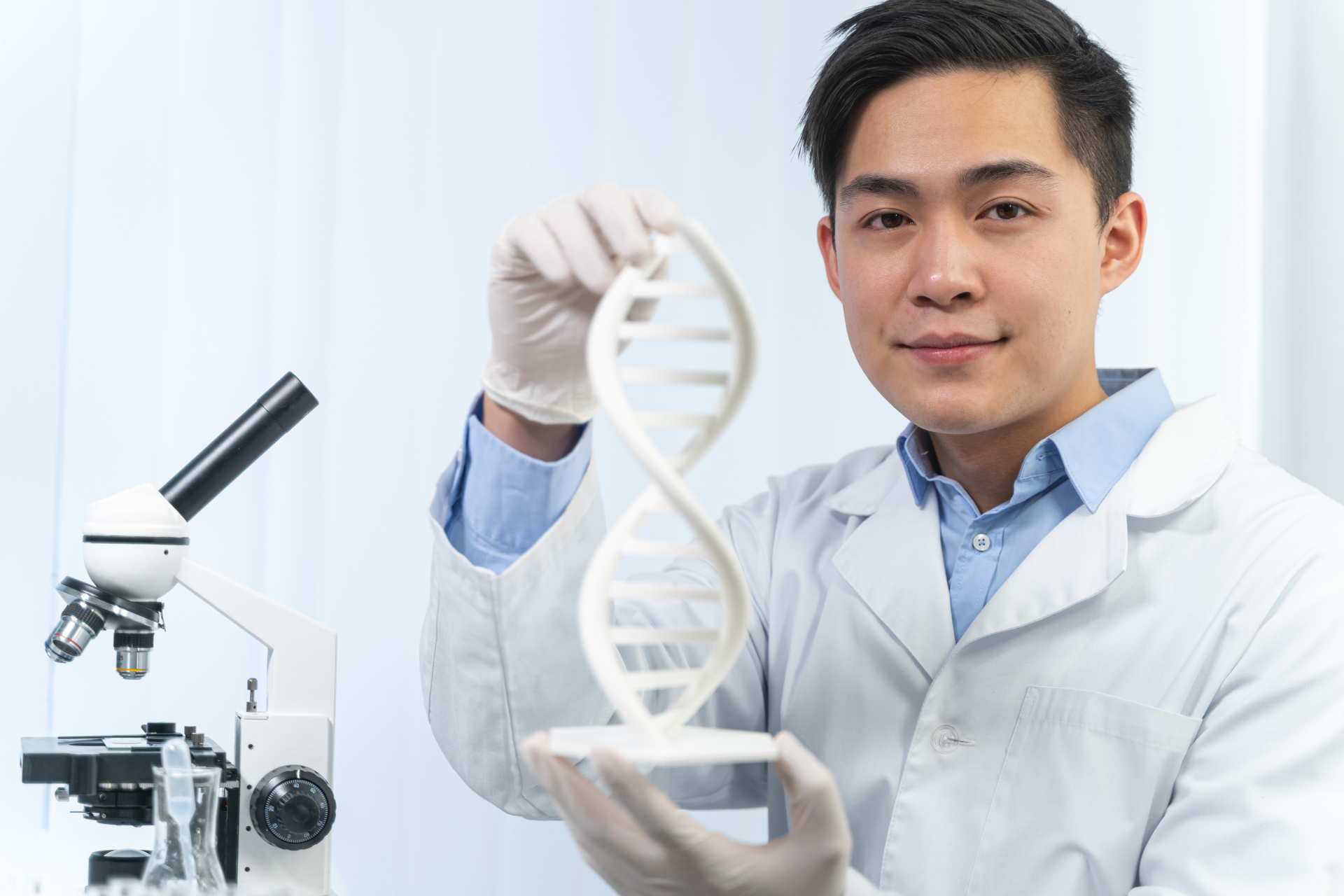
Aging is a natural process that everyone experiences, but did you know that it could be closely tied to the health of your DNA? Genomic instability is a fascinating area of study, and understanding it can provide insights into how DNA damage leads to chronic diseases. Let’s dive into this intriguing topic and explore how functional medicine can offer unique perspectives on aging and health.
Exploring the Concept of Genomic Instability
Genomic instability refers to the tendency of the genome to acquire mutations. These mutations can accumulate over time, leading to the malfunction of cells. The stability of our DNA is crucial for maintaining the normal functioning of our bodies, and disruptions can lead to various health issues.
Think of your DNA as a set of instructions for your body. When these instructions become jumbled due to mutations, cells may start behaving unexpectedly. This can manifest as premature aging or predisposition to diseases. Scientists are increasingly focusing on uncovering the mechanisms that drive genomic instability to develop potential therapeutic interventions.
The Link Between DNA Damage and Chronic Diseases
When DNA damage exceeds the repair capacity of the cell, it can trigger a cascade of events leading to chronic diseases. Conditions such as cancer, diabetes, and neurodegenerative disorders have all been linked to compromised DNA integrity. Understanding these connections can help in developing preventative strategies.
The link between genomic instability and diseases like cancer is well-established. As cells divide and DNA replication errors occur, mutations can accumulate, prompting unchecked cell growth, a hallmark of cancer. By studying these processes, researchers aim to unveil new prevention strategies that could lessen the cancer burden on society.
Functionally, DNA damage affects vital bodily systems, such as the immune system and metabolism, exacerbating conditions like diabetes. This systemic dysfunction underscores the importance of maintaining genomic integrity not just for longevity, but for a quality life free from debilitating diseases.
The Role of Environmental Factors in DNA Damage
Our environment plays a significant role in genomic stability. Factors like UV radiation, pollution, and lifestyle choices, such as smoking and diet, can contribute to DNA damage. Being aware of these influences allows us to make lifestyle adjustments to support genomic health.
The impact of environmental pollutants on our genome is undeniable. Chemicals found in everyday products, industrial pollutants, and even cosmetics can affect DNA integrity, leading to mutations and increased risk of disease. Preventative measures, such as reducing exposure and advocating for safer alternatives, are essential steps towards healthier living.
Lifestyle choices like diet also have profound implications for genomic stability. Consuming a diet heavy in processed foods and low in antioxidants can accelerate oxidative stress, promoting DNA damage. On the other hand, diets rich in fruits and vegetables provide antioxidants that neutralize harmful free radicals, thus supporting DNA repair mechanisms.
Harnessing Functional Medicine for DNA Health
Functional medicine focuses on identifying and addressing the root causes of disease, including factors affecting genomic stability. By incorporating personalized health plans, dietary adjustments, and lifestyle changes, functional medicine seeks to optimize health and potentially slow the aging process.
At its core, functional medicine emphasizes personalized care, which means considering an individual’s genetic makeup, lifestyle, and environment. This holistic approach can identify specific DNA vulnerabilities and tailor strategies to bolster DNA repair, reduce oxidative stress, and enhance overall well-being. Integrating such practices could redefine our approach to aging and disease prevention.
Adopting Lifestyle Changes for Improved Genomic Stability
Simple lifestyle changes can significantly impact genomic stability. Regular physical activity, a balanced diet rich in antioxidants, and stress management techniques can help protect against DNA damage, promoting healthier aging.
Engaging in consistent exercise routines is not just about maintaining a healthy weight; it also supports cellular health. Regular physical activity enhances oxygen flow through the body, improving cellular respiration and reducing oxidative stress, a key contributor to DNA damage.
Mindfulness practices like meditation and yoga are powerful tools for stress management. Chronic stress exposes cells to prolonged periods of high cortisol, a hormone that can lead to inflammation and DNA damage. By learning to manage stress effectively, we can protect our genomic health, ensuring our bodies remain robust and resilient.
For further information, to schedule an appointment or please contact Enovative Wellness at 602.614.9905 or visit www.EnovativeWellness.com to learn more.
