
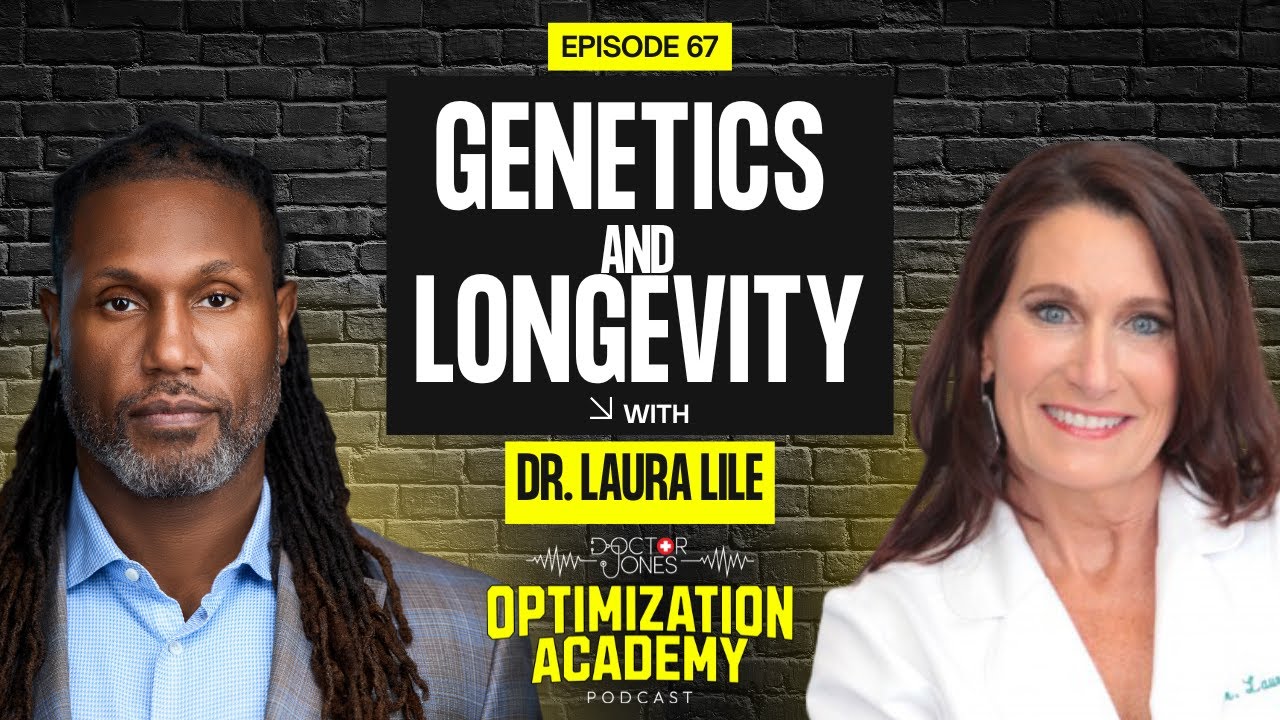
Your DNA doesn’t set your health future in stone. That’s the key message from Dr. Laura Lile, a trailblazing physician and pharmacist who’s changing the way we look at wellness. With decades of experience, Dr. Lile brings both medical and pharmacy expertise to longevity care, personalized medicine, and genomics. In this post, you’ll learn how your genes and lifestyle shape your health, and how modern tools can help you use this information to optimize your life.
Meet Dr. Laura Lile: Physician, Pharmacist, and Healthcare Pioneer
Dr. Laura Lile is one of the rare U.S. professionals board certified as both a medical doctor and a registered pharmacist. This dual background gives her a unique perspective. She understands treatments at the molecular level while practicing personalized, whole-patient medicine.
Key credentials and highlights:
- Board-certified Medical Doctor (MD)
- Registered Pharmacist (RPh)
- Over a decade in pharmacy before attending medical school
Dr. Lile’s journey wasn’t just about collecting credentials. As a pharmacist running her own practice, she noticed a pattern. She saw patients accumulating prescriptions, sometimes as a result of drugs prescribed to treat side effects of other drugs. This led her to question the system. Instead of simply filling prescriptions, she wanted to know why so many were necessary. So, while raising three children, she went back to medical school, a decision fueled by a drive to fix healthcare, not just hand out pills.
Her time as a pharmacist influences her medical approach even today:
- She actively supervises a compounding lab in Michigan.
- She continues to answer pharmacy questions daily.
- Her practice combines medicine and pharmacy for hands-on, creative solutions.
Innovator from the Start
At just 25 years old, Dr. Lile opened one of the Midwest’s first drive-thru pharmacies—complete with a cappuccino machine. As a young mother in Ohio’s cold weather, she knew what busy families needed. Her drive-thru model spread quickly, with competitors following her lead.
Dr. Lile didn’t stop there. In 2006, she saw another need: more time with patients, less insurance red tape. That led her to develop an early form of concierge telemedicine. Rather than following traditional office visit models, she opted out of insurance and created a pay-per-visit system, billing like a lawyer would. This approach let her spend quality time with each patient, while supporting their care across distances and states. Years before virtual visits became standard, Dr. Lile was consulting with patients internationally through video calls and phone consults.
Genetics vs. Epigenetics: Understanding What Shapes Your Health
“We tend to think of DNA as our destiny, but epigenetics gives us the power to influence what happens next.”
— Dr. Laura Lile
Genetics refers to the DNA you inherit from your parents. That’s the basic hardware of your body—the operating instructions encoded in four chemical bases (A, C, G, T). Your eye color, blood type, and certain health risks are part of this fixed blueprint.
But epigenetics is the software that runs on this hardware. It’s the layer that decides which of your genes are switched on or off, influenced by your lifestyle and environment. You can’t change your DNA sequence, but you can influence your gene expression.
Clear Away the Confusion: Genetics vs. Epigenetics
| Genetics (DNA) | Epigenetics (Gene Expression) |
| Fixed sequence from parents | Modified by environment and lifestyle |
| “Hardware” of your biology | “Software” that runs the hardware |
| Sets baseline risks (eye color, etc.) | Determines if those risks are expressed |
| SNPs (gene snips) are tiny changes | Epigenetic tags switch genes on/off |
Analogy:
If genetics is the hand of cards you’re dealt, epigenetics is how you play them.
How Lifestyle Shapes Your Genes
Every day, your genes respond to diet, stress, sleep, toxins, exercise, and even your mindset.
- Positive influences: Nutritious food, exercise, restful sleep, stress management, and supportive relationships can promote anti-inflammatory gene expression.
- Negative influences: Chronic stress, poor diet, exposure to cigarette smoke, pollution, or heavy drinking can switch on disease-promoting pathways.
Examples of Positive Epigenetic Effects
- Some people have gene variants that make them better at absorbing vitamin D, or give them a much lower risk for Alzheimer’s. These are protective traits worth knowing about.
- You can also “override” risks with strategic habits or supplements such as offsetting a gene variant that affects detoxification by supporting the body’s detox pathways.
Why Siblings with the Same Parents Can Have Different Health Outcomes
Genetic inheritance isn’t a simple copy-paste from mom and dad. Here’s why siblings may face different health challenges:
- Each sibling gets 50% of their DNA from each parent, but the mix is random.
- One may inherit a problematic gene variant (SNP), while the other does not.
- Combinations matter. Having several risk genes can impact you differently than having just one.
- Epigenetics further amplifies the difference. Lifestyle, environment, and mindset can trigger or suppress these inherited risks.
Genomics in the Clinic: From Risk to Action
Dr. Lile’s philosophy is simple: Knowledge plus action is power. Learning about your genes isn’t about fearing what might happen. It’s about using the information to change what will happen.
Addressing “Red Flags” Without Fear
Many people hesitate to get genetic testing because they’re afraid of what they’ll find like a marker for Alzheimer’s disease. But not everyone with a risk gene gets the disease. For example, about 35% of people with the APOE4 “Alzheimer’s gene” never develop cognitive impairment. What’s the difference?
Often, it’s about what else is happening in their bodies and lives:
- Other risk genes that worsen the odds
- Protective genes that offset problems
- Lifestyle choices that can tip the scales
Dr. Lile helps patients focus on actionable steps:
- If a gene affects detoxification, she targets it with supplements or environmental changes.
- If a gene relates to inflammation, anti-inflammatory nutrients and habits are prioritized.
- Instead of worrying, patients leave consultations with a concrete plan to address their unique risks.
Clinical Case Studies: Genetics in Action
Lung Cancer and Detox Genes
Dr. Lile worked with a young patient who developed lung cancer. Genomic analysis found several gene snips indicating poor detox pathways and a much higher risk for certain cancers. This knowledge guided personalized care to reduce recurrence and protect brain health following cancer treatment.
Parkinson’s or Something Else?
A patient diagnosed with Parkinson’s wasn’t improving with standard treatment. Genomic testing revealed that his true issues lay in neurotransmitter pathways, not classic Parkinson’s disease. Changing his care based on his unique genetics helped him regain quality of life and independence.
Hidden Heart Disease
A fit man in his 40s, with normal cholesterol and no symptoms, was told by his cardiologist not to worry. But genomics showed he had genetic factors for clotting and vessel inflammation. A deeper scan revealed significant, hidden artery blockage, a problem that could have ended fatally during his planned hiking trip. Early intervention saved his health.
Hotspot-Driven Reports Make Genomic Testing Usable
With so much genetic data, where should a doctor or patient start? Clinical tools like IntellxxDNA prioritize “hotspot” gene snips, those with the greatest clinical impact, organized by categories like detox, inflammation, and micronutrients. Instead of being overwhelmed by pages of raw data, both patient and doctor can focus on the handful of findings that matter most for action.
How IntellxxDNA Differs from Consumer Kits
| Feature | 23andMe/Consumer Kits | IntellxxDNA (Clinical) |
| Number of gene snips analyzed | ~150 – 300 | Up to 1,200 |
| Peer-reviewed clinical links | Yes, but often limited | Yes, plus extensive vetting |
| Report depth | General traits, ancestry | Personalized health plan recommendations |
| Designed for clinician use | No | Yes |
Genomic Medicine in Practice: Challenges For Clinicians and the Role of AI
Adopting genomic medicine brings challenges, especially for busy practitioners. The volume of data is daunting, and every gene snip may require hours of reading to fully understand its effect.
Barriers for Doctors and What Helps
- Steep learning curve for medical providers new to genomics
- Sifting through hundreds of SNPs to find actionable points
- Limited time to do background research for novel variants
Solutions:
- Use clinical decision support tools that highlight hot spots and offer evidence-based recommendations
- Lean on resources that break down genomics into digestible steps
- Accept that learning the language of genomics, like any new skill, improves with experience
AI as a Genomic Research Assistant
Artificial intelligence cannot replace the empathy or intuition of a seasoned doctor. But it can scan thousands of research papers instantly to offer the best-available evidence. Dr. Lile shared a case where a patient used ChatGPT to cross-check supplement plans tailored to his unique set of genetic variants. With correct prompting, AI agreed with Dr. Lile’s approach and showed the importance of combining clinical skill with technology.
Do Genomics-Driven Supplements Last Forever?
A common question in genetic medicine is whether patients must stay on gene-targeted supplements for life. Dr. Lile rotates supplements like sulforaphane and turmeric, rather than prescribing them indefinitely. Rotational plans lower the risk of receptor saturation and maintain supplement effectiveness.
Real-life compliance matters too—people often miss doses naturally, so rigid regimens don’t fit most patients’ routines. The ultimate goal is to keep the body optimized now, so that when new, simpler interventions or technologies arrive, patients are ready to adopt them.
The Future of Genomic-Driven Longevity: What’s Next?
Genomics is moving fast. Sequencing costs are dropping, and with powerful analysis tools and AI, actionable health plans are within reach for more people. Here’s where Dr. Lile sees the next decade taking us:
Expect:
- Routine genomic screening at a lower cost
- Genomics becoming as standard as hormone and cholesterol testing for prevention
- Integration of AI in clinical decision-making, providing instant research summaries and treatment suggestions
- Personalized nutrition and supplementation, possibly with futuristic methods like custom 3D-printed nutrient-rich foods
“When your intuition and innovation are aligned with your purpose, you’re setting new standards of care. Trust your gut, even if you’re the only one doing it.”
— Dr. Laura Lile
Your genes aren’t your destiny. Today’s technology, paired with thoughtful care and lifestyle choices, puts control over your health firmly in your hands. Whether you’re a patient or practitioner, understanding both genetics and epigenetics lets you make changes that matter. As science evolves, those who are ready, curious, and willing to act will have the best shot at longer, healthier lives.
At Enovative Wellness Center in Phoenix, Dr. Greg Jones bridges the gap between cutting-edge science and personalized, compassionate care. As genomic-driven longevity tools become more accessible, our clinic is uniquely positioned to help you interpret your genetic data, integrate it with advanced functional medicine testing, and translate it into actionable steps for better health. From targeted nutrition and hormone optimization to regenerative therapies, we design programs that support not just a longer life but a healthier, more vibrant one.
Your future health starts with the choices you make today. Don’t wait for tomorrow’s breakthroughs when many are available right now. Schedule your consultation at Enovative Wellness Center and discover how Dr. Greg Jones and the rest of the team at our clinic can help you unlock your genetic potential, optimize your wellness plan, and put you on the path to a longer, more energetic life.
Call us at (602) 614-9905 or visit www.EnovativeWellness.com to learn more.
