
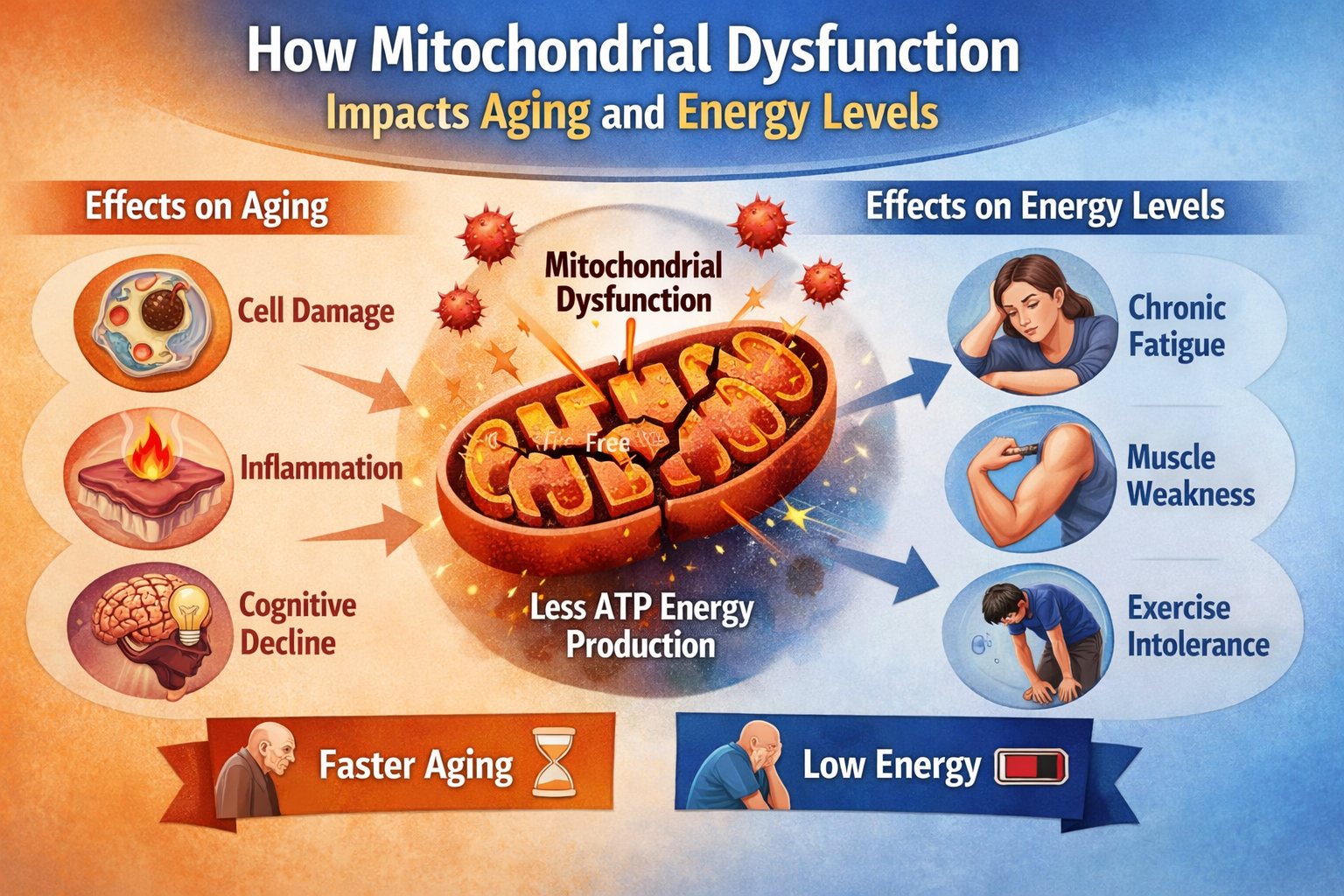
When it comes to aging and maintaining our energy levels, no factor is as pivotal as the health of our cells. At the center of cellular health are mitochondria, often called the powerhouses of the cell. But what happens when these powerhouses start to falter? In this blog, we will explore how mitochondrial dysfunction can impact aging and energy levels. By understanding the role of functional medicine, we can find ways to support and optimize our mitochondrial health.
The Fundamental Role of Mitochondria
Mitochondria are known for producing energy in the form of ATP, but their role extends beyond being mere energy generators. They play a critical part in various biochemical tasks, including cell signaling and regulating cell growth and death. Understanding these multifaceted roles helps us appreciate their significant impact on our overall health.
Interestingly, mitochondria are also involved in the synthesis of certain hormones and neurotransmitters, which makes them crucial in maintaining mental health and emotional well-being. This connection underscores the importance of mitochondrial health in holistic wellness. Ensuring optimal mitochondrial function can aid in better mood regulation and overall psychological resilience. When we consider the extent of mitochondrial influence, taking steps to support their wellness through diet, exercise, and other lifestyle choices becomes increasingly vital.
Signs and Symptoms of Mitochondrial Dysfunction
When mitochondria become dysfunctional, the symptoms can range from fatigue and muscle weakness to cognitive decline. Recognizing these symptoms early can help us address potential underlying issues before they exacerbate.
In addition to these, mitochondrial dysfunction can manifest through various other health issues such as frequent infections, poor growth, and problems with coordination. These symptoms result from the body’s deteriorating ability to produce energy efficiently. Being aware of these warning signs empowers individuals to seek medical advice sooner, potentially leading to a more timely diagnosis and intervention that focuses on enhancing mitochondrial health.
The Connection Between Mitochondria and Aging
Aging is a natural process, but mitochondrial dysfunction can accelerate it. Damaged mitochondria lead to the accumulation of cellular debris, impacting longevity and vitality. Functional medicine aims to mitigate these effects by fostering better mitochondrial health.
Intriguingly, the link between mitochondria and aging isn’t just about physical decline. Research suggests that impaired mitochondrial function can influence the development of age-related diseases such as Alzheimer’s and heart disease. By focusing on the rejuvenation of mitochondrial health through dietary interventions and exercise routines, it is possible to reduce the risks associated with these conditions, ultimately leading to a healthier aging process.
Boosting Mitochondrial Health with Nutrition
Nutrition plays a crucial role in supporting mitochondrial function. Nutrients like CoQ10, magnesium, and omega-3 fatty acids are essential for maintaining mitochondrial health. A balanced diet rich in these nutrients can enhance energy production and cell repair.
Additionally, antioxidants found in vibrant fruits and vegetables help combat oxidative stress, a key contributor to mitochondrial aging. Including foods like berries, leafy greens, and nuts in your diet not only boosts mitochondrial performance but also contributes to overall vitality. Introducing superfoods into your meals can further amplify these benefits, offering a natural way to support mitochondrial resilience.
Furthermore, research continues to highlight the importance of intermittent fasting and caloric restriction in boosting mitochondrial efficiency. These dietary approaches have been linked to improved cell regeneration and inflammation reduction, which are foundational for maintaining youthful energy levels and delaying the aging process.
Exercise and Its Impact on Mitochondrial Efficiency
Regular physical activity is a potent enhancer of mitochondrial efficiency. It stimulates the production of new mitochondria, improving energy levels and endurance. Incorporating different forms of exercise, such as aerobic and resistance training, can maximize these benefits.
Notably, consistent exercise has also been shown to elevate the body’s production of certain proteins that are instrumental in mitochondrial biogenesis, the process by which new mitochondria are formed. This can be particularly advantageous for those looking to optimize their energy levels and combat the fatigue often associated with aging. For comprehensive advice on cultivating a fitness routine that supports mitochondrial health, consult our wellness programs to find tailored solutions.
The Role of Functional Medicine in Mitochondrial Support
Functional medicine offers a holistic approach to supporting mitochondrial health. It emphasizes individualized care, incorporating lifestyle management and specific supplements to address mitochondrial dysfunction. This comprehensive strategy can lead to better health outcomes and enhanced quality of life.
By utilizing a combination of traditional and alternative therapies, functional medicine doctors can tailor treatments that hone in on the root causes of mitochondrial issues. This might include nutritional adjustments, personalized supplement plans, and stress management techniques. This integrative strategy not only aims to restore mitochondrial efficiency but also advocates for preventive measures that support long-term health. To learn more about how functional medicine can enhance your wellness journey, explore our offerings.
For further information, to schedule an appointment or please contact Enovative Wellness at 602.614.9905 or visit www.EnovativeWellness.com to learn more.
