
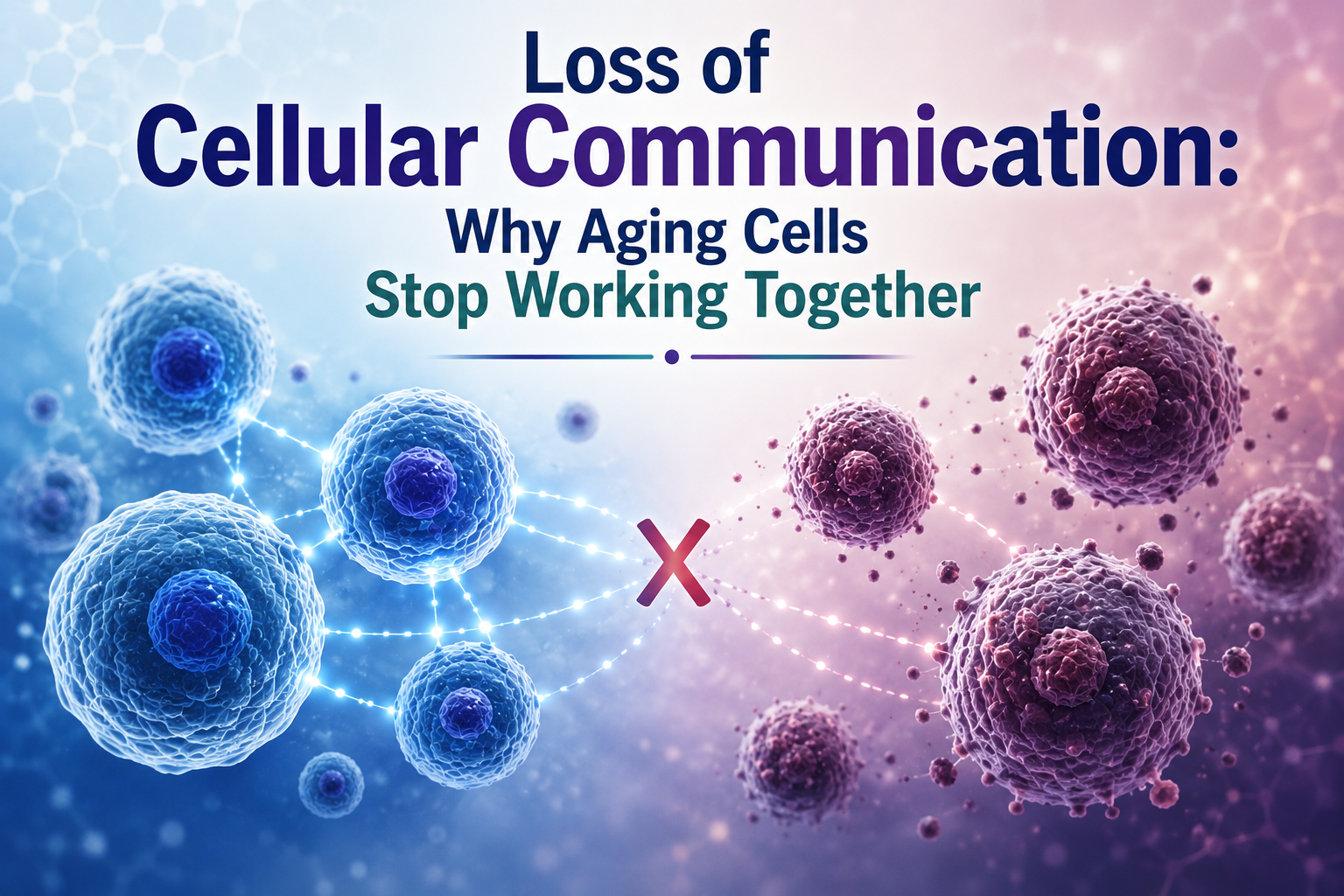
As we age, our cells seem to lose their knack for effective communication, leading to various health challenges. In this blog, we’ll delve into the fascinating world of cellular communication and explore why aging cells stop working together. Through a functional medicine lens, we’ll uncover how understanding these changes can help us maintain optimal health as we grow older.
Understanding Cellular Communication
Cells communicate through complex signals involving proteins, hormones, and other molecules. This intricate dialogue is crucial for maintaining bodily functions and overall health. The dynamic exchange of information enables cells to respond to their environment and each other, coordinating activities such as growth, differentiation, and apoptosis. In essence, cellular communication serves as the body’s email system, ensuring every ‘department’ knows what it’s doing.
The concept of cellular communication can be likened to a vast social network where cells send, receive, and interpret messages. This occurs through signal molecules and receptors on cell surfaces. When messages are sent successfully, the body performs optimally, when they are not, the system begins to falter. Aging adds noise to this network, distorting these vital messages just like a poor internet connection might affect a video call.
How Aging Disrupts Cellular Messages
As we age, various factors such as oxidative stress and inflammation interfere with cellular communication. These disruptions can lead to a decline in tissue function and contribute to the aging process. In particular, oxidative stress results from an imbalance between free radicals and antioxidants in the body, leading to cell and tissue damage. Chronic inflammation, meanwhile, accelerates the destruction of cellular components, which can wreak havoc on the body’s ability to function correctly.
Moreover, the accumulation of cellular damage over time may cause communication breakdowns, much like an overwhelmed postal system. The signals that once flowed smoothly between cells become stunted or distorted, leading to a plethora of age-related issues, including neurodegeneration, compromised immune responses, and diminished tissue repair capabilities.
The Role of Mitochondria in Cellular Communication
Mitochondria, often referred to as the powerhouses of the cell, are crucial in signaling processes. Damaged mitochondria can affect the cell’s ability to communicate effectively, impacting energy levels and cellular health. These tiny organelles are responsible for producing the energy currency of the cell, ATP, which is fundamental for numerous cellular functions, including those involved in communication.
As mitochondria age, they accumulate damage that may compromise their function. This decline can lead to inefficient energy production and increased free radical generation, further disrupting cellular communication. Importantly, mitochondrial dysfunction is closely linked to various age-related diseases, underscoring the need to maintain healthy mitochondria to preserve cellular dialogue.
Functional Medicine’s Approach to Restoring Cellular Dialogue
Functional medicine emphasizes personalized healthcare strategies that aim to restore cellular communication through nutrition, lifestyle changes, and targeted therapies. Unlike conventional approaches, functional medicine seeks to address root causes rather than merely treating symptoms. This holistic perspective is particularly beneficial in tackling age-related cellular communication breakdowns.
By focusing on the individual needs of each patient, functional medicine practitioners can tailor interventions to improve cellular health. This may include optimizing nutrient intake to support mitochondrial function or reducing inflammation through dietary modifications. By restoring balance at the cellular level, functional medicine empowers individuals to take charge of their health, potentially slowing the aging process and enhancing quality of life.
Lifestyle Changes to Enhance Cell Communication
Incorporating regular exercise, adequate sleep, and a balanced diet rich in antioxidants can support better cellular communication and mitigate some aging effects. Physical activity increases blood flow, promoting the delivery of oxygen and nutrients to cells while enhancing waste removal processes. Concurrently, sufficient sleep facilitates crucial repair processes and hormonal balance, crucial for effective cell signaling.
A diet rich in fruits, vegetables, and healthy fats supplies the antioxidants necessary to combat oxidative stress, preserving cellular integrity. Additionally, reducing processed foods and sugar can decrease inflammation, thereby enhancing the body’s natural signaling mechanisms. Small lifestyle adjustments can yield significant benefits, fostering resilience at the cellular level and contributing to more robust health as we age.
For further information, to schedule an appointment or please contact Enovative Wellness at 602.614.9905 or visit www.EnovativeWellness.com to learn more.
