
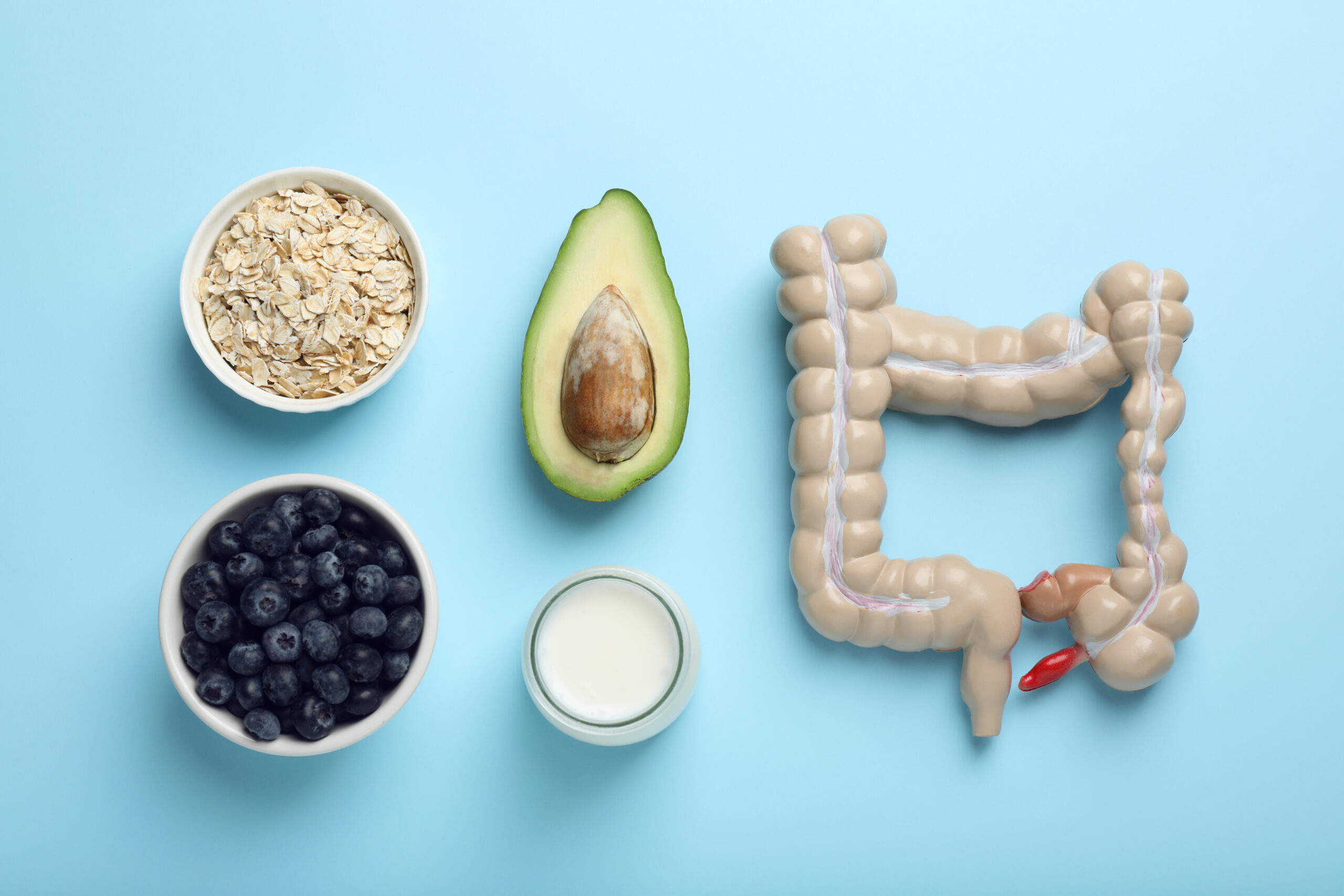
 We’ve all heard about the gut feeling, but did you know your gut is a powerhouse behind your overall health? In this blog, we’ll dive into the role of the gut microbiome, especially how it influences aging and immune health. So, let’s get cozy and talk about the amazing world within you.
Understanding the Gut Microbiome
Imagine a bustling city within you, filled with microscopic residents, each playing a unique role. That’s your gut microbiome! It’s a complex community of bacteria, viruses, and fungi, crucial for digesting food and influencing various bodily functions. This living ecosystem doesn’t just stay in your gut; it talks to your brain, your skin, and even your heart, impacting everything from mood to metabolic health. Recent studies have highlighted how a diverse microbiome is beneficial, acting like a well-oiled machine, breaking down fibers into nutrients and playing a role in synthesizing vitamins and amino acids. The interactions within this micro-world are essential to our health, yet easily disrupted by antibiotics, poor diet, and stress, emphasizing the need for a balanced lifestyle.
The gut microbiome is a marvel of nature, with over 1,000 different species of bacteria calling it home. These organisms perform vital tasks like fermenting dietary fiber into short-chain fatty acids which lower inflammation and strengthen your epithelial cells, the building blocks of a healthy gut barrier. A well-maintained gut microbiome also boosts your mental clarity. Did you know it produces up to 95% of the body’s serotonin, often dubbed the happiness hormone? It’s incredible to realize how much of your well-being depends on the intricate dance of microbes within you. With functional medicine, we can harness this knowledge to nurture our gut, promoting a rich and balanced microbial community.
Aging and the Microbiome Connection
As we age, our microbiome changes. This shift can affect our skin health, cognitive function, and even longevity. A balanced gut plays a pivotal role in graceful aging by promoting healthy inflammation patterns and metabolism. The metabolic pathways influenced by gut bacteria help regulate how we store fat and use energy, acting as a gatekeeper against obesity and its related challenges. This is particularly relevant as improper metabolic function is often linked to age-related disorders such as type 2 diabetes. By keeping a lush diversity within our gut as we grow older, we support our body’s resilience, maintaining vitality and reducing the risk of chronic ailments.
Moreover, research suggests that an aging microbiome might contribute to immune senescence, the gradual deterioration of the immune system with age. A population rich in beneficial microbes is less likely to succumb to infections and more inclined to respond well to vaccines. By fostering a supportive environment through lifestyle adjustments and potentially using prebiotics or probiotics, we might amplify our body’s ability to fend off disease. This symbiotic relationship between gut health and aging showcases the importance of maintaining a thriving microbiome as a cornerstone of preventive health strategies as we grow older.
Immune Health Starts in the Gut
Did you know that your gut is home to a significant portion of your immune cells? It’s true! A healthy microbiome is crucial for a robust immune system, helping to fend off pathogens and maintain the body’s natural defenses. The dynamic environment of the gut teaches immune cells to distinguish between good and bad bacteria, thereby preventing autoimmune reactions. Furthermore, the microbiome helps produce antimicrobial compounds that deter the colonization of harmful invaders. Supporting your gut health could be your first line of defense against common ailments and seasonally triggered illnesses. When the gut is in harmony, it sends positive signals to the immune system, enhancing its efficiency.
The intricate balance maintained by a healthy gut microbiome extends its influence to preventing chronic inflammation, a root cause of many diseases. Chronic inflammation is linked to illnesses ranging from heart disease to cancer, highlighting the importance of nurturing our internal ecosystems. Functional medicine emphasizes dietary interventions, such as incorporating anti-inflammatory foods and reducing sugar intake, to bolster gut health. As a result, by prioritizing our gut, we not only bolster immune health but also safeguard the body from inflammatory conditions.
Functional Medicine’s Perspective
Functional medicine focuses on personalized strategies to balance the gut microbiome. This approach can include tailored diets, supplements, and lifestyle changes, all aimed at enhancing gut health and overall well-being. What makes functional medicine stand out is its holistic viewpoint, considering how factors like stress, sleep, and even our emotional state can influence gut health. A one-size-fits-all approach doesn’t apply here; instead, individual assessments guide targeted interventions. From testing microbiome composition to suggesting specific strains of probiotics, functional medicine offers a roadmap to restore gut harmony, ensuring each body receives the attention it requires for thriving health.
Simple Ways to Support Your Gut
Supporting your gut doesn’t have to be complicated. Incorporating probiotics, a diverse diet rich in fiber, and staying active can help maintain a thriving microbiome, keeping you healthy and vibrant as you age. Tiny adjustments, like starting your day with a fiber-rich breakfast or opting for fermented foods like yogurt or kimchi, can gradually improve your gut flora. Staying hydrated also plays a crucial role in digestion and nutrient absorption, emphasizing the need for at least eight glasses of water daily. Adequate rest and sleep should not be underestimated either; they allow your gut to reset and repair, contributing to long-term health.
For further information, to schedule an appointment or please contact Enovative Wellness at 602.614.9905 or visit www.EnovativeWellness.com to learn more.
