
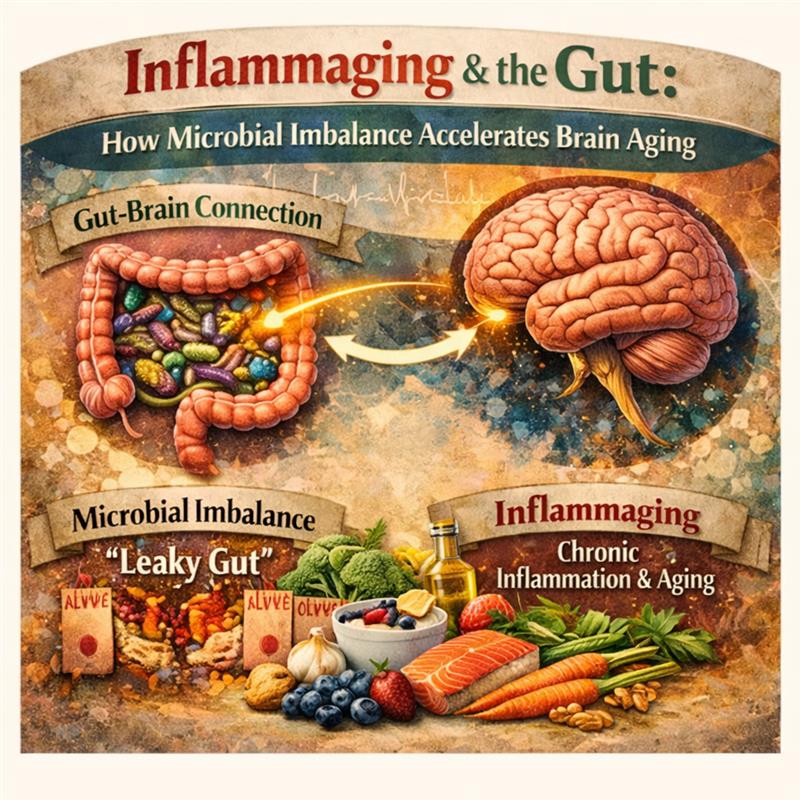
Welcome to a journey through your gut and its surprising connection to brain health. Discover how a microbial imbalance can lead to a phenomenon known as inflammaging and why it matters for your cognitive wellness. With a friendly nod to functional medicine, we dissect this complex topic and unveil practical steps towards brain longevity.
Understanding the Gut-Brain Connection
The gut and brain are in constant communication, working in harmony to maintain overall health. This bidirectional relationship is vital for mood regulation, memory, and cognitive functions. Understanding how they interact helps us appreciate the significance of a balanced gut.
Research shows that the vagus nerve plays a crucial role in this connection by transmitting signals between the gut and the brain. Astonishingly, about 90% of serotonin, a key hormone for mood stabilization, is produced in the gut. This revelation underscores the importance of maintaining gut health not just for digestion but for a harmonious mental state as well. Embracing this knowledge can empower us to make informed choices that benefit both our cognitive functions and emotional well-being.
What is Inflammaging?
Inflammaging refers to chronic, low-grade inflammation that occurs as we age. It is a significant contributor to cognitive decline, and understanding its roots can lead to proactive health strategies. The gut plays a pivotal role here, affecting inflammation levels and, consequently, brain health.
This phenomenon is linked closely to lifestyle choices, including diet and stress levels. Studies have shown that a diet high in processed foods and sugars can exacerbate inflammatory responses. Conversely, diets rich in antioxidants and omega-3 fatty acids can help reduce these effects. Recognizing the drivers behind inflammaging is the first step in devising effective strategies to combat its impact on our well-being.
The Impact of Microbial Imbalance
An imbalanced microbiome can disrupt the gut-brain axis, triggering processes that accelerate aging. Factors such as diet, stress, and antibiotics can upset this delicate microbial balance, leading to heightened inflammaging and increased brain aging.
Recent research has highlighted the link between gut microbiota diversity and cognitive function. A lack of microbial diversity is associated with increased permeability of the gut lining, often referred to as ‘leaky gut,’ which allows harmful substances to enter the bloodstream, promoting inflammation. This state not only harms gut health but also impacts mental clarity and cognitive performance. Understanding this connection drives home the importance of maintaining a healthy gut microbiome for overall brain health.
Moreover, the use of antibiotics can drastically alter gut flora, creating imbalances that impact the brain’s aging process. It’s important to approach the use of such medications with caution and under supervision when possible to prevent adverse effects on the gut-brain axis. Developing a strategy that restores balance, through means such as dietary adjustments and probiotics, becomes essential in curbing the negative impacts of an imbalanced microbiome.
Strategies to Support Gut Health
Embracing a diverse diet rich in fiber and fermented foods can bolster beneficial bacteria. Integrating probiotics and maintaining a balanced lifestyle positively influences gut health, offering a natural approach to mitigating inflammaging.
Lifestyle factors such as regular exercise and adequate sleep also play a pivotal role in gut health. Physical activity increases the diversity of the gut microbiome, which is crucial for inflammation management. Likewise, sleep is a significant player, as disruptions in sleep patterns can negatively impact the gut microbiome, further emphasizing the need for holistic lifestyle changes.
Stress management is another key aspect of supporting gut health. Practices such as mindfulness, meditation, and yoga have shown promising results in reducing stress-induced inflammation. By incorporating these practices into your routine, you’re not only improving gut health but also enhancing your resilience to stress, leading to comprehensive well-being.
The Role of Functional Medicine
Functional medicine offers personalized insights into maintaining health. It emphasizes the interplay of diet, lifestyle, and genetics to optimize gut and brain health, providing a tailored approach to managing inflammaging and enhancing cognitive longevity.
By focusing on treating the root cause of ailments rather than just addressing symptoms, functional medicine encourages a comprehensive viewpoint on health. This holistic approach not only considers genetic predispositions but also environmental and lifestyle factors. The result is a nuanced understanding of how to support the body’s natural balance, crucial for long-term wellness.
Functional medicine’s emphasis on individualized dietary plans highlights its potential in tackling inflammaging. By understanding specific triggers and requirements of your body, this approach provides tailor-made solutions that align with your health goals. Thus, embracing functional medicine can be a transformative step towards achieving a long life, not just in years but in mental vitality.
For further information, to schedule an appointment or please contact Enovative Wellness at 602.614.9905 or visit www.EnovativeWellness.com to learn more.
