
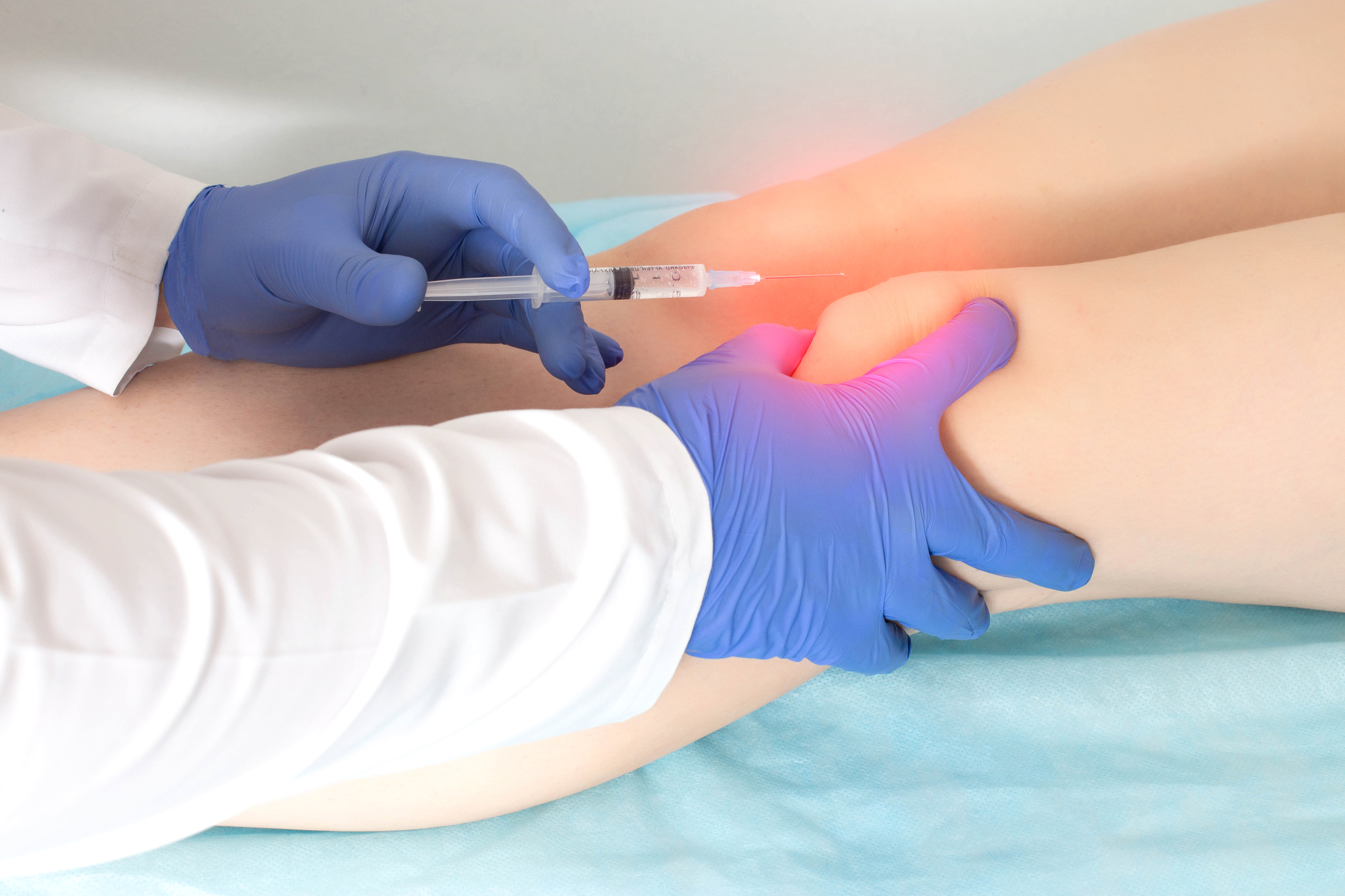
Exploring the groundbreaking approach of regenerative injection therapy, this blog will delve into how this innovative treatment is transforming the recovery process for joint injuries. Using a simple, engaging style, we’ll unpack the science behind it and share compelling reasons why it could be the healing solution you’ve been searching for.
The Basics of Regenerative Injection Therapy
At its core, Regenerative Injection Therapy is a revolutionary approach to healing that leverages the body’s innate ability to repair itself. By injecting healing agents directly into the damaged area, this therapy initiates a powerful healing response that can lead to the restoration of function lost due to injury, age, or overuse. It’s a beacon of hope for those who have struggled with conventional treatments, offering a new path towards recovery.
The principle behind this therapy is not new, but the application is constantly evolving with medical advances. Regenerative injection therapy encompasses a variety of treatments including perineural injection therapy, prolotherapy, platelet rich plasma (PRP), and exosomes, each designed to target specific types of tissue damage and stimulate recovery.
How It Works: The Science Explained
The effectiveness of regenerative injection therapy hinges on its ability to stimulate the body’s natural healing processes. For instance, PRP Therapy draws on the patient’s own platelets’ healing properties by concentrating them and injecting them into the injured area, thus sparking the body’s repair mechanisms into action. These platelets release growth factors that promote cell regeneration and tissue repair, offering a natural path towards healing without the need for invasive surgery.
Similarly, prolotherapy involves injecting a dextrose solution into the joint or tissue. This solution acts as an irritant that triggers an inflammatory response, which in turn stimulates the body’s healing process. This carefully controlled inflammation encourages the growth of new, healthy tissue, bolstering the strength and stability of the joint or ligament.
Types of Regenerative Injection Therapies
Understanding the different types of regenerative injection therapies is crucial for determining the best approach for each patient. While PRP is renowned for its efficacy in treating tendon and muscle injuries by promoting rapid healing, prolotherapy is often preferred for its ability to address joint pain and ligament issues. Exosomes, the newest players in the field, offer hope in treating more systemic conditions by introducing powerful signaling molecules that encourage tissue regeneration and repair.
Benefits of Regenerative Injection Therapy for Joint Injuries
One of the most compelling benefits of regenerative injection therapy is its ability to offer pain relief combined with the potential for long-lasting healing. Unlike treatments that focus solely on symptom management, regenerative therapies seek to address the underlying causes of joint problems. This approach not only alleviates pain but also works towards restoring the joint’s natural function, reducing the likelihood of future injuries.
Moreover, the non-invasive nature of these therapies presents a lower risk of complications compared to traditional surgical methods. Patients can often return to their daily activities shortly after treatment, without the long recovery periods associated with surgery.
What Conditions Can It Treat?
Regenerative injection therapy isn’t a one-size-fits-all solution, but its applications are impressively broad. From osteoarthritis to tendinitis, these therapies have shown promise in treating a wide range of conditions. Each therapy type, from PRP to exosomes, brings a unique set of advantages to the table, making regenerative medicine a versatile tool in the treatment of chronic pain and injury.
Patient Success Stories: Real-Life Recoveries
Hearing firsthand experiences from patients who have undergone regenerative injection therapy can be incredibly motivating. Take, for example, individuals who have struggled with chronic joint pain for years, finding little to no relief from conventional treatments. After turning to therapies like PRP or prolotherapy, many have experienced significant improvements in mobility, pain levels, and overall quality of life, marking a new chapter in their health journeys.
Considering Regenerative Injection Therapy: What You Need to Know
Before embarking on a regenerative injection therapy plan, it’s important to have a comprehensive evaluation to understand your specific condition and whether these treatments are suitable for you. Factors such as the severity of your injury, your overall health, and your recovery goals will play a crucial role in shaping your treatment. With the right approach, regenerative injection therapy can be a powerful ally in your recovery process.
Embracing the Future of Joint Recovery
Understanding regenerative injection therapy offers a glimpse into the future of treating joint injuries. By harnessing the body’s own healing capabilities, this treatment stands out as a significant advancement in medical science. For those suffering from joint pain, exploring this option with a healthcare professional could be the first step towards a pain-free life.
For further information or to schedule a consultation please contact Enovative Wellness at 602.614.9905 or visit www.EnovativeWellness.com to learn more.
