
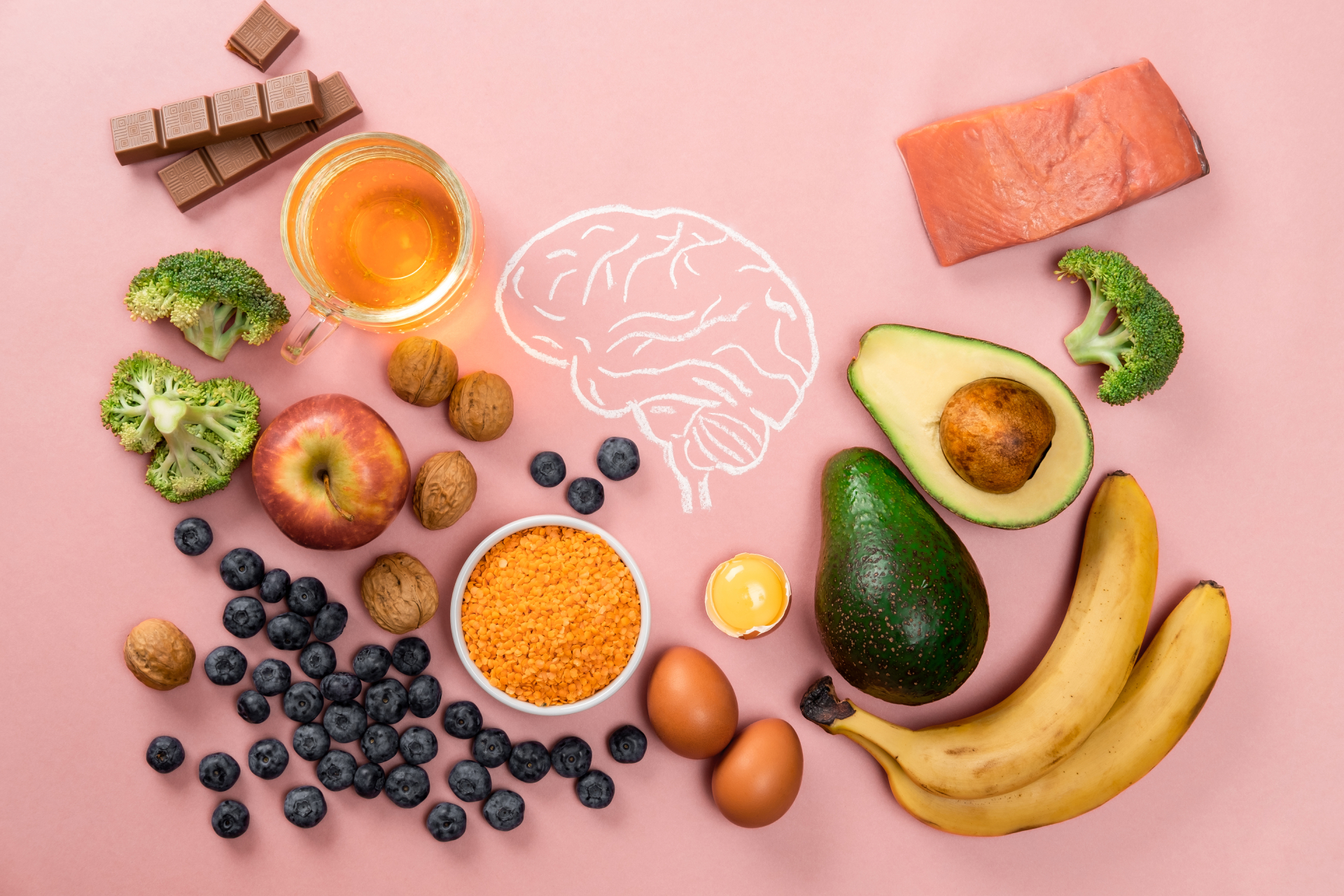
 In today’s world, the connection between what we eat and how we feel is becoming clearer. Nutritional therapy offers a holistic approach to mental health, focusing on the healing power of food and nutrients. For those seeking a natural way to boost their mental well-being, nutritional therapy may be a compelling option. Let’s explore how it can make a difference.
The Mind-Body Connection
The link between the mind and body is more significant than many realize. Nutritional therapy acknowledges this connection by focusing on how diet impacts mood, cognition, and overall mental health. Understanding this relationship is the first step toward achieving mental wellness through food.
Many people overlook the profound impact that nutrition can have on mental health. By recognizing and respecting the mind-body connection, nutritional therapy provides a comprehensive approach to healing. This connection not only influences mental health but also extends to physical health, creating a dynamic feedback loop where enhancing one aspect reinforces the other. For instance, a diet rich in nutritious foods can lead to increased energy levels, which in turn can motivate individuals to engage in physical activities, further benefiting both mind and body.
Boosting Brain Health with Nutrients
Essential nutrients play a vital role in brain function. Omega-3 fatty acids, vitamins, and minerals can help enhance memory, reduce anxiety, and improve mood. By incorporating these nutrients into your diet, you can naturally support your mental health.
Every bite you take can either contribute to or detract from a healthy brain. Nutrients such as B vitamins, found in whole grains and leafy greens, are essential for producing neurotransmitters that regulate mood. Magnesium, another vital mineral, helps to calm the nervous system, acting as a natural relaxant. Including these in your daily meals not only supports brain health but also promotes overall well-being. When planning meals, it’s vital to consider foods that are nutrient-dense, ensuring the brain receives the support it needs to function optimally.
Balancing Hormones Through Diet
Hormonal imbalances can heavily influence mental health. Nutritional therapy focuses on foods that stabilize hormones, helping to balance mood swings and reduce symptoms of stress and depression. By targeting specific foods, you can maintain hormonal balance naturally.
Achieving hormonal balance through diet is about more than just the elimination of certain foods; it also involves strategic inclusion. For example, adding healthy fats into meals can significantly impact hormone synthesis, creating a positive domino effect throughout the body. Fatty acids found in foods like avocados and nuts help to synthesize hormones, providing the body with the raw materials needed to function optimally. Additionally, maintaining stable blood sugar levels by consuming adequate proteins and carbohydrates in balance is crucial for hormone health, as spikes and crashes can lead to imbalances.
Gut Health and Its Impact on the Mind
A healthy gut contributes to a healthy mind. The gut-brain axis highlights how the digestive system can influence mental health. By improving gut health through probiotics and a balanced diet, you can positively affect your emotional well-being.
Did you know your gut is often referred to as the ‘second brain’? This is because it produces neurotransmitters similar to those in the brain, such as serotonin, which plays a pivotal role in mood regulation. Incorporating fermented foods like yogurt, kefir, and sauerkraut into your diet can introduce beneficial bacteria to your gut, supporting this complex system. A healthy gut can enhance not only digestion but also mood and mental clarity. Thus, by nurturing your digestive health, you’re taking a crucial step toward achieving optimal brain function and emotional stability.
Customizing Nutritional Plans
Nutritional therapy offers tailored plans based on individual needs. By consulting with a functional doctor in Phoenix, you can develop a nutrition plan that aligns with your mental health goals. Customized dietary strategies ensure that your unique needs are met for optimal results.
No two individuals are alike, and thus, their nutritional needs differ. A personalized approach to nutrition takes into account factors such as age, lifestyle, and health conditions. By working with a professional, you can identify specific dietary modifications that cater to your body’s unique requirements. This customization includes everything from food preferences to intolerances, ensuring that dietary recommendations are both practical and enjoyable. Engaging in a tailored nutritional plan not only aids in mental health improvement but also fosters a deeper understanding of your body and its needs, empowering you to make informed choices that promote lasting health.
For further information, to schedule an appointment or please contact Enovative Wellness at 602.614.9905 or visit www.EnovativeWellness.com to learn more.
